
Turkish cuisine is enjoying a big moment on social media—and with good reason. Turkish food ranks among my favorite cuisines and shares many similarities with Bulgarian cooking in taste, texture, and ingredients. That connection comes from five centuries under the Ottoman Empire, which left a clear imprint on regional flavors. As someone from the Balkans, Turkish Eggs are one of my favorite breakfasts: the contrast of poached eggs and creamy yogurt is irresistible. This version is how I grew up enjoying it—topped with a sprinkle of crumbled feta for extra saltiness—while still honoring the classic Turkish approach to make a satisfying, protein-rich meal.
The History Behind Turkish Eggs
Turkish Eggs, known as Çılbır, trace their roots to the Ottoman kitchens, where yogurt, eggs, and fragrant spices were staples. The Ottoman Empire blended culinary influences from Persian, Arab, and Balkan traditions, shaping dishes that combined tangy dairy, gentle spices, and simple techniques. Çılbır pairs poached eggs with a garlicky yogurt base and is commonly finished with a warm spiced butter or oil—often flavored with Aleppo pepper or paprika. Once a delicacy served in palace kitchens, it is now a beloved brunch dish around the world.

Why You’ll Love Turkish Eggs
What’s not to love? The eggs are lightly poached to a soft, runny yolk, and the garlicky yogurt brings a tangy, cooling contrast. The spiced butter—melted butter infused with chili or Aleppo pepper and paprika—adds a smoky warmth that lifts the whole dish. Adding crumbled feta (a regional twist I favor) introduces a salty, crumbly texture that complements the creaminess. Nutritionally, this preparation is protein-packed—around 19–20 grams of protein per serving—so it’s a great way to start the day or refuel after a workout.
How to Prepare
Yogurt Sauce: Mix plain yogurt with minced garlic and salt. Taste and adjust the seasoning, then set aside to come to room temperature so it stays silky when the warm butter is added.
Aleppo Butter Sauce: In a small saucepan, melt unsalted butter over low heat. Stir in Aleppo pepper or red chili flakes and smoked paprika, cook for about a minute to bloom the spices, then remove from heat.
Poached Eggs: Crack each egg into a fine mesh sieve over a bowl to remove any loose whites, which helps the egg hold a neater shape. Bring a pot of water to a gentle simmer, add a splash of white vinegar, and create a gentle whirlpool with a spoon. Carefully slide the eggs into the water one at a time and poach for about 5 minutes for a runny yolk. Lift the eggs with a slotted spoon and drain briefly on paper towels. Cook longer if you prefer firmer yolks.
Assemble: Spread the yogurt on a shallow bowl or plate, place the poached eggs on top, then drizzle with the warm paprika butter. Finish with crumbled feta and garnish with fresh dill or herbs of your choice. Serve immediately.
Nonna’s Tip
Let the yogurt come to room temperature before assembling; if the yogurt is too cold the butter can seize and lose its silky texture.

Variations and Substitutions
- For extra protein, swap the yogurt for cottage cheese.
- Use Aleppo pepper flakes for an authentic, slightly fruity heat; regular red chili flakes will work in a pinch.
- If poached eggs aren’t your preference, serve with over-medium, sunny-side-up, or over-easy eggs instead.
- To make the dish dairy-free, use thick coconut or cashew yogurt and omit the feta.
- Add fresh herbs—parsley, dill, or mint—to the yogurt for brightness.
- For a lighter finish, drizzle good olive oil instead of butter for a herb-forward variation.
Similar Recipes
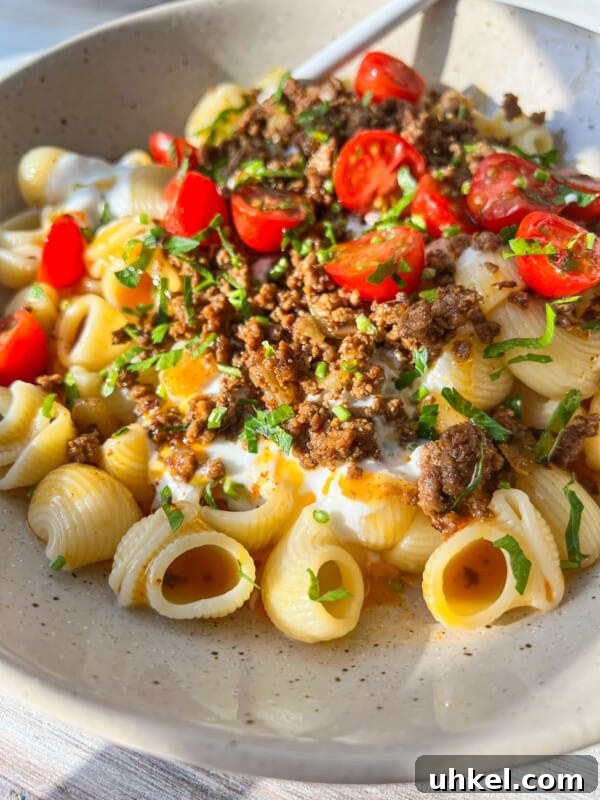
Turkish Pasta Recipe
20 mins

Pesto Eggs
15 mins

Shakshouka Recipe
20 mins

How to Poach Eggs
6 mins
Best Served With
- Crusty bread—sourdough, pita, or a rustic no-knead loaf—to soak up the yogurt and butter.
- Slices of avocado for extra creaminess and healthy fats.
Common Questions
Yes. The garlic yogurt can be prepared 2–3 days ahead and stored in the refrigerator. Stir before serving and bring to room temperature for best texture.
Absolutely. Choose a thick, creamy coconut or cashew yogurt for the best texture when assembling the dish.
Use gently simmering water, a splash of vinegar, and create a small whirlpool before adding the eggs. Straining loose egg whites helps the eggs keep a neat shape.
You can use over-medium, sunny-side-up, or over-easy eggs instead—each will pair nicely with the yogurt and spiced butter.
Swap the yogurt for cottage cheese or add extra eggs to increase protein content.
Use red chili flakes or smoked paprika. Smoked paprika adds smoky depth while chili flakes increase heat; Aleppo offers a milder, fruitier profile.
Turkish Eggs (Çılbır)

Ingredients
Yogurt Spread
- 1½ cups yogurt, at room temperature
- 1 clove garlic, minced
- ¼ teaspoon salt, or to taste
Paprika Butter
- 2 tablespoons unsalted butter
- ½ teaspoon Aleppo chili flakes (or red chili flakes)
- ¼ teaspoon smoked paprika
Poached Eggs
- 1 tablespoon white vinegar (as needed)
- 4 eggs
- Pinch of salt
Additional Ingredients
- 1 tablespoon crumbled feta (or to taste)
- Dill or other fresh herbs for garnish
Instructions
Yogurt Sauce
- Mix the yogurt with minced garlic and salt. Taste and adjust seasoning, then set aside to reach room temperature.
Aleppo Butter Sauce
- Melt the butter in a small saucepan, add chili flakes and smoked paprika, cook briefly to release the aromas, then remove from heat.
Poached Eggs
- Crack each egg into a fine mesh sieve to remove loose whites, saving them if desired.
- Bring a pot of water to a gentle simmer, add vinegar, and stir to create a mild whirlpool.
- Gently slide eggs into the water one at a time and poach about 5 minutes for a runny yolk.
- Remove with a slotted spoon and drain briefly on paper towels; extend cooking time for firmer yolks.
To Assemble
- Spread the yogurt in a shallow bowl, place the poached eggs on top, drizzle with the paprika butter, scatter crumbled feta, and garnish with dill or herbs. Serve immediately.
Notes
Nutrition
Amount per serving (approx):
Calories: 365
Fat: 28 g • Protein: 19 g • Carbs: 10 g
Sodium and other nutrients will vary based on specific ingredients and portion sizes.
Nutrition information is an approximation.