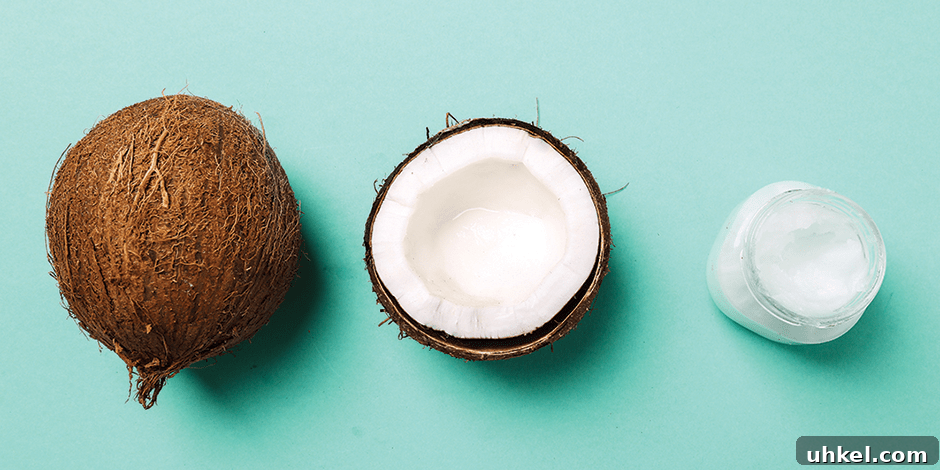
If you’ve wandered down grocery store aisles recently, you may have noticed an abundance of coconut products. Beyond the familiar coconut flakes used in baking, stores now stock coconut oil, coconut water, coconut milk, coconut flour, coconut vinegar and coconut nectar, alongside chips, cookies, cereals and snacks containing various forms of coconut.
Why the surge in coconut popularity? There are several reasons. Coconuts offer a distinctive tropical flavor and a wide range of uses, and they are credited with numerous health and personal-care benefits. If you’re considering adding more coconut to your routine, here’s a clear, practical guide to what coconuts are, what they do and how to use them.
What is a Coconut?
Technically, a coconut is a drupe—a fruit with a hard inner shell surrounding a seed—rather than a true nut. The coconut comes from tropical palm trees and the term can refer to the tree, the fruit or the seed. Young green coconuts contain a clear liquid called coconut water and soft, tender meat. As the coconut matures and turns brown, the meat becomes firmer and is used to produce coconut milk and coconut oil. Coconut milk is made from grated coconut meat, while oil is extracted from mature meat.
A Love-Hate Relationship
Coconut has experienced both criticism and celebration. In past decades saturated fat—present in coconut—was widely feared for links to heart disease. Yet observations from regions where coconut consumption is common suggested those populations didn’t necessarily suffer higher rates of heart disease or cancer. As more global foods reached Western markets and coconut water arrived in stores, perceptions began to shift.
Coconut water in particular helped reposition coconut as a healthful option. Packed with electrolytes, minerals and enzymes, coconut water has been promoted as a natural hydrator. Scientific and popular discussions have linked coconut to benefits for immunity, metabolism, thyroid and nervous-system function, as well as antifungal, antiviral and antibacterial properties. Still, it’s important to be discerning: processed products that merely contain small quantities of coconut ingredients should not be assumed to offer the same health advantages as whole or minimally processed coconut products.
Drink Your Coconuts
Coconut water, the clear liquid inside young green coconuts, is low in calories, sugar and sodium and relatively high in potassium. About 4 ounces provides roughly 15 grams of easily digested carbohydrates in the form of natural sugars and electrolytes, making it a good choice for rehydration after exercise or heat exposure. It also contains small amounts of vitamin C, iron, manganese, magnesium, zinc and calcium—nutrients that occur naturally and are readily absorbed by the body. While the flavor can be described as earthy and won’t appeal to everyone, many people find it light, refreshing and effective as a natural sports drink or a gentle option during recovery from stomach illness.
Bring on the Fat
One major distinction between coconut fat and animal fats is the type of fatty acids they contain. Coconut is rich in medium-chain triglycerides (MCTs), such as lauric acid, which are metabolized differently than long-chain saturated fats commonly found in meat. MCTs travel to the liver and are often used for quick energy rather than being stored as body fat. Lauric acid has been associated with raising HDL (good) cholesterol, potentially improving the HDL-to-LDL ratio.
Because of these metabolic effects, coconut oil is valued as an efficient energy source. Some research and practitioners suggest it can support metabolism, thyroid function, energy and endurance. Coconut fat also appears to have antioxidant-supporting activity, which may help reduce oxidative damage related to cardiovascular disease and skin aging. Keep in mind, however, that coconut oil remains calorie-dense—about 117 calories per tablespoon—so it should be used thoughtfully within the context of your overall diet.
Coconut Oil for Cooking
Coconut oil has practical advantages in the kitchen. It resists rancidity, so it stores well, and it has a relatively high smoke point—around 350°F unrefined and about 400°F refined—making it suitable for many cooking methods. It adds a mild, creamy coconut note without overpowering most recipes. You can stir a spoonful into smoothies, use it for baking or cook with it as a neutral, stable fat.
Coconut Oil for Skin and Hair
Coconut oil is a versatile personal-care ingredient. Applied to skin, it serves as an effective moisturizer that leaves skin feeling silky and radiant; many people keep a jar in the bathroom to rub onto damp skin after showering. It can also be used as a hair conditioner, an effective makeup remover (including waterproof mascara), a shaving aid or a bath scrub base when blended with salts or other ingredients. For a whipped moisturizer, chill coconut oil until semi-solid, then whip it in a blender until frothy and store in a jar; add a few drops of an essential oil if you want scent.
Coconut Vinegar
Coconut vinegar is made by fermenting coconut water. It tastes much like other mild vinegars and can be used similarly to rice or white wine vinegar in dressings and Asian-style dishes. It may contain small amounts of probiotics and prebiotics that support gut bacteria. Some people use a teaspoon each morning as they might with apple cider vinegar, and it can also be applied as a gentle facial toner.
Baking with Coconut Products
Coconut sugar and nectar are popular natural sweeteners. Coconut nectar, derived from tree flower sap, resembles honey or molasses in texture and can be substituted cup for cup for sugar in many recipes. Coconut sugar is dehydrated nectar and has a lower glycemic index than refined sugar, while still providing trace vitamins and minerals not found in white sugar. One limitation is that coconut sugar doesn’t melt as readily; pulsing it in a grinder or food processor can help achieve a finer texture for baking.
Coconut Flour
Coconut flour is a byproduct of coconut milk production: after extracting milk, the remaining pulp is dried and ground into a finely textured flour. It is gluten-free and high in protein—about 5 grams per ounce—making it popular in paleo and gluten-free baking. However, coconut flour absorbs a lot of moisture and can make baked goods heavy or gummy if not used correctly. A common approach is to substitute only 20–25 percent of the wheat or other gluten-free flour with coconut flour, or to follow recipes specifically formulated for its use. When replacing flour more radically, recipes often require additional eggs and liquids to maintain structure and moisture.
- 1 cup coconut water (or nut milk)
- 1 teaspoon coconut oil
- 2 ripe apricots, stone removed
- 2 soft medjool dates, pits removed
- 2 tablespoons cacao powder
- ¼ teaspoon ground cinnamon
- 1 teaspoon fresh ginger
- Pinch of sea salt
- 5 cubes ice
- Blend all ingredients in a high-speed blender and drink immediately.
- ¾ cup orange juice
- 1/4 cup fresh lime juice
- 2 tablespoons coconut oil
- 1 tablespoon coconut aminos (or natural soy sauce)
- Salt to taste
- 3 1/2 cups water
- 2 cups black rice
- ½ red, orange or yellow bell pepper, diced
- 2 stalks celery, diced
- 1 cup fresh cilantro leaves, chopped
- 1 cup red onion, finely chopped
- 1/2 cup unsalted, dry-roasted peanuts
- 6 scallions, thinly sliced
- 1 small mango or avocado, diced
- 1 jalapeno, seeded and minced
- Whisk together orange juice, lime juice, coconut oil, coconut aminos and a pinch of salt in a large bowl; set aside.
- Bring water to a boil in a medium saucepan, season lightly with salt, add black rice, cover, reduce heat and simmer until tender, about 25 minutes.
- Remove from heat and let stand, covered, for 15 minutes.
- While the rice rests, add bell pepper, celery, cilantro, red onion, peanuts, scallions, mango or avocado and jalapeno to the dressing and stir to coat.
- Fold in the black rice gently until evenly coated.
- Let the salad sit at least 30 minutes to allow the flavors to meld, then serve.
- 2 Hass avocados
- 14-ounce can coconut milk
- ½ cup heavy cream
- ½ cup sugar
- 1 teaspoon lemon extract
- Toasted shredded coconut for garnish
- Chopped mint for garnish
- Halve avocados, remove pits and scoop flesh into a blender or food processor. Add coconut milk, heavy cream, sugar and lemon extract; blend until completely smooth.
- Churn the mixture in an ice cream maker according to the manufacturer’s instructions, typically 20–30 minutes.
- Transfer to a freezer-safe container, cover and freeze at least 2 hours before serving.
- Garnish with toasted shredded coconut and chopped mint.