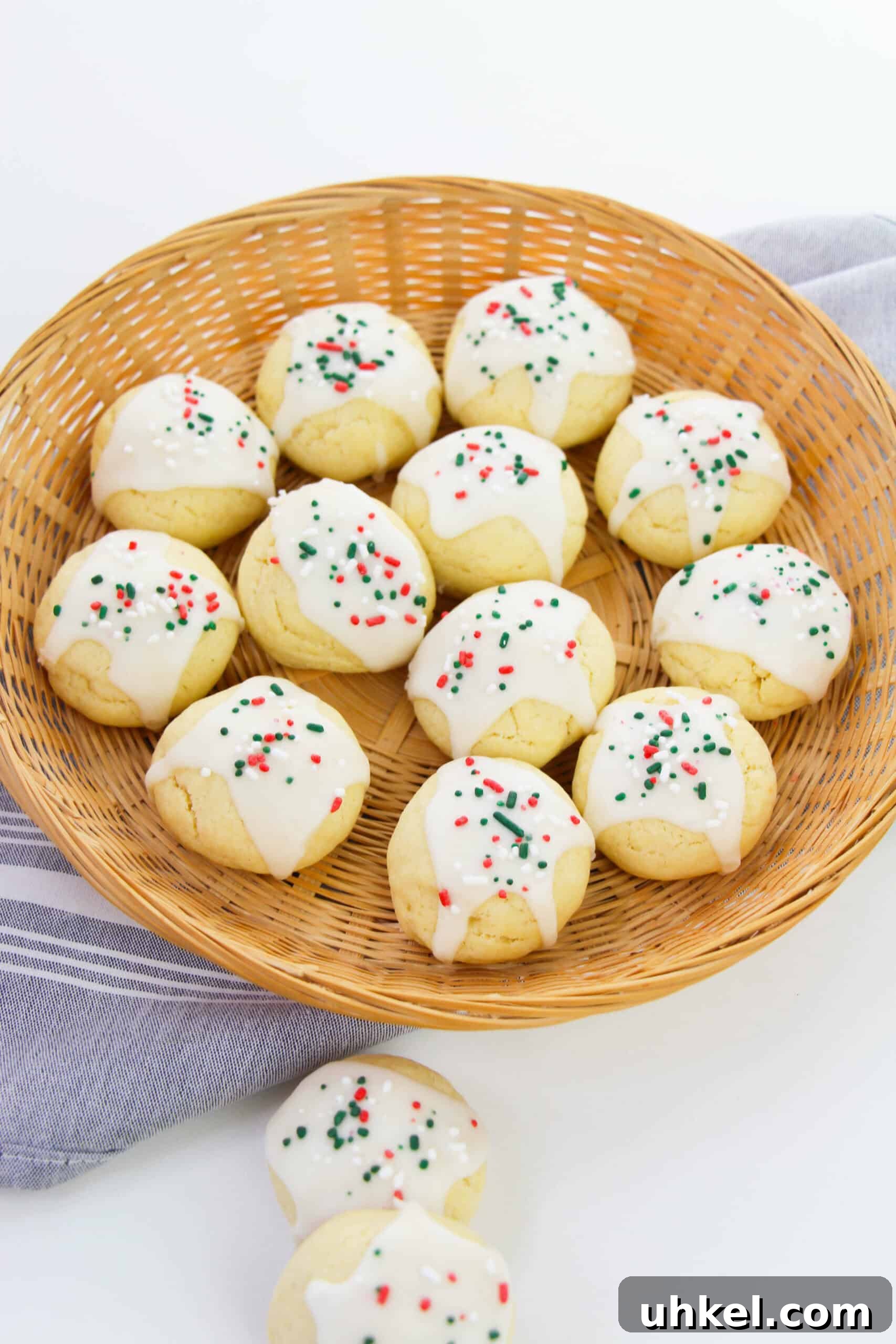
Italian Knot Cookies (Anginetti) are a family favorite. This version comes from my grandmother and is a treasured recipe: soft, pillow-like bites that are always welcome at our large family gatherings.

More about Grandma’s Anginetti
Anginetti are versatile cookies suitable for many occasions—Christmas, Easter, weddings, or simply an everyday treat. They’re so delicious you’ll find yourself baking them often.
These traditional cookies go by various names and appear in many regional forms, like tarallucci or ciambelline. They’re tender, lightly cake-like cookies often glazed and decorated, and they’re sometimes called “pillow bites” because of their texture.
Why This Italian Cookie Recipe is a Keeper
This family Italian cookie is tender, slightly sweet and ideal for celebrations. Recipes like this are often passed down through generations, with each family keeping their own prized version.
- Easy: Simple ingredients and straightforward steps make these cookies approachable.
- Decorating: Glazing and sprinkling are fun tasks for kids to help with.
- Adaptable: While perfect for weddings, these cookies are a hit at any holiday or party.
- Gift Giving: Packaged on a cookie platter or in small boxes, they make a thoughtful homemade gift.
Why are they called Italian Love Knot Cookies?

These cookies are often shaped into small knots that resemble a love knot, which is why they’re commonly served at weddings. Their shape also makes them festive for other celebrations.
Ingredient Notes for this Italian Wedding Cookie
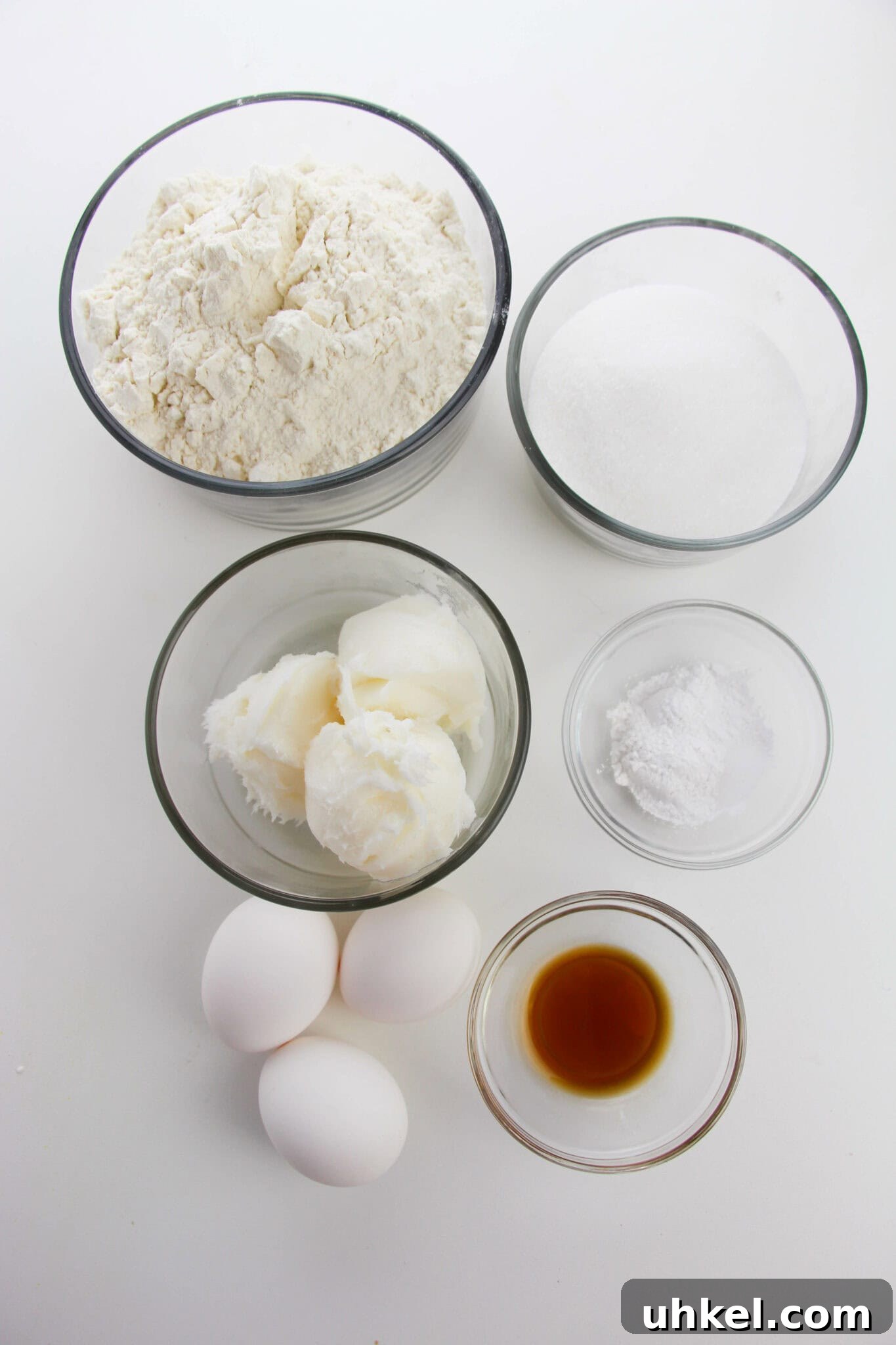
The dough for these cookies is soft and somewhat cake-like. After baking they are glazed with a flavored icing and finished with colorful sprinkles or nonpareils, giving them a fluffy, pillow-like appearance.
- Extracts: Both almond and vanilla extract add classic flavor. For a bright variation try lemon zest or lemon extract.
- Vegetable shortening: Using shortening helps the cookies hold their shape while baking; you can substitute butter if preferred (see variations below).
See the recipe card below for a complete list of ingredients and measurements.
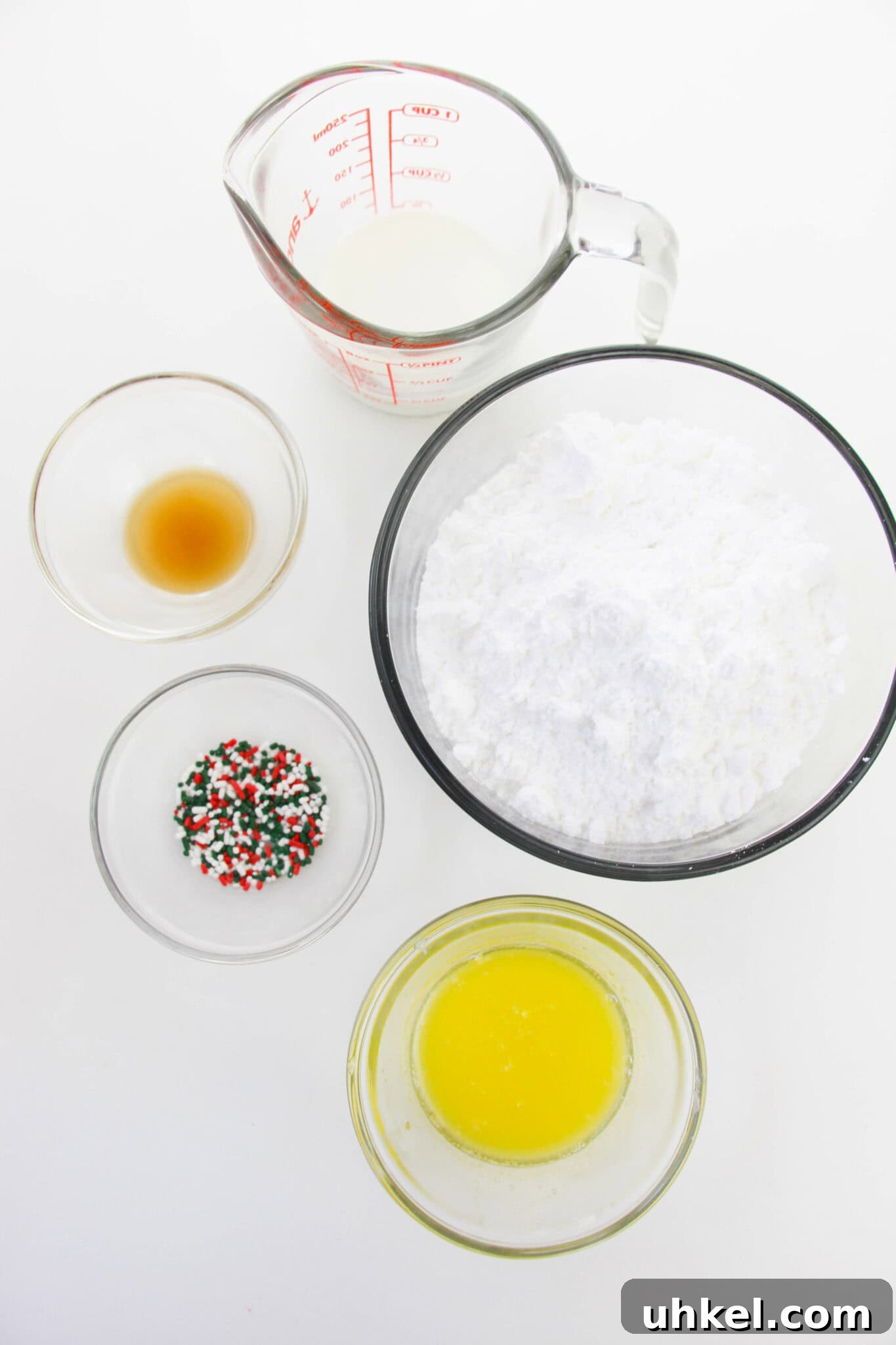
Variations and Substitutions for these Traditional Italian Cookies
- Glaze: Instead of the glaze you can dust cookies with powdered sugar or use a lemon-flavored frosting for a brighter taste.
- Fat: Shortening can be replaced with salted or unsalted butter (add a pinch of salt if using unsalted). A mix of shortening and butter also works well.
How to Make Italian Cookies with Icing
These comforting cookies are a staple in many Italian-American households. Below are the basic steps; the full, printable recipe card provides detailed measurements and timing.
Basic steps summary:
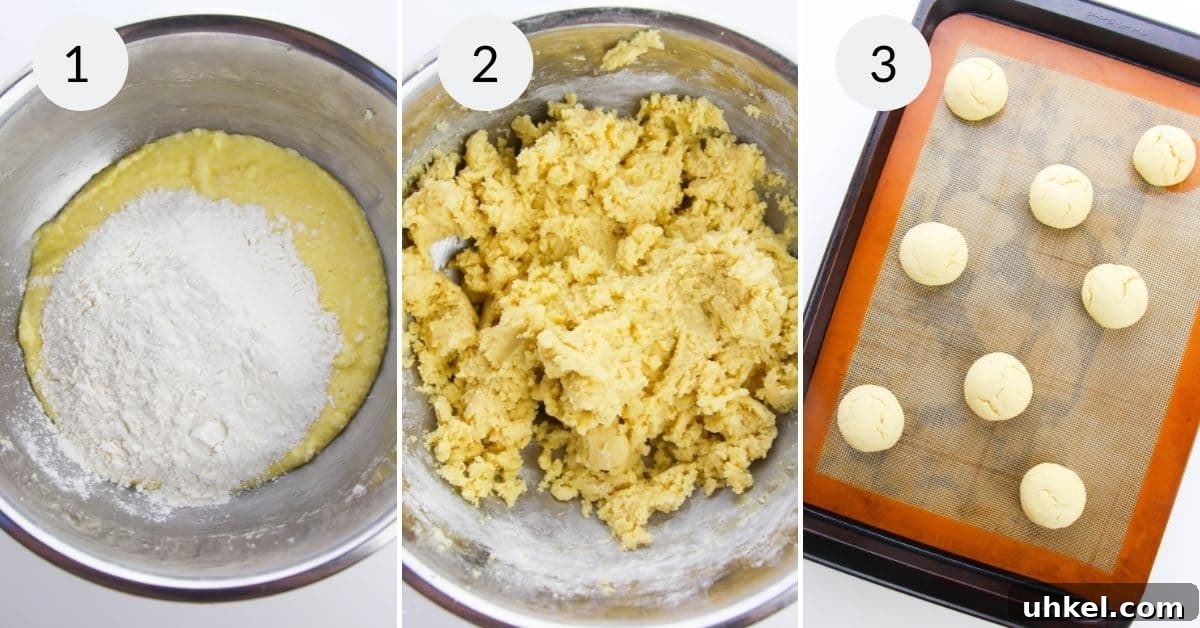
STEP 1: Prepare Baking Sheets and Cream the Dough
Preheat the oven to 400°F. Line two baking sheets with parchment paper or silicone baking mats. In a small bowl whisk together the flour, baking powder and salt. In a large bowl, beat the shortening and sugar until light and fluffy, about 2 minutes.
STEP 2: Add Eggs, Extracts and Flour
Beat in the eggs and extracts about 30 seconds, then add half of the flour mixture and beat until incorporated. Add the remaining flour mixture and mix until combined.
STEP 3: Shape or Scoop
Portion the dough with a cookie scoop or spoon. For knots: roll each portion into a rope about 7 inches long. To form the knot: bend the rope into a “U”, cross the ends over each other to form a loop, then tuck one end through the loop to create a small knot. Alternatively, roll portions into balls for a smoother appearance.
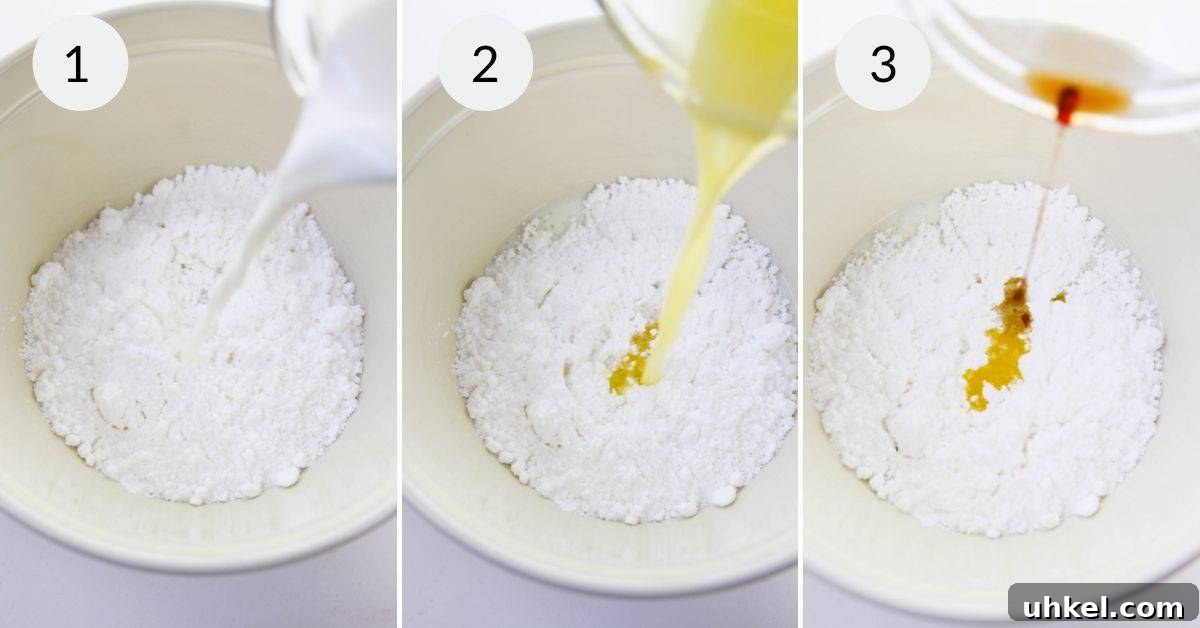
STEP 4: Icing and Sprinkles
For the glaze whisk together powdered sugar, milk (or cream), melted butter and a teaspoon of vanilla or almond extract. Adjust the consistency with more powdered sugar or milk as needed. Spoon about one tablespoon of glaze onto each cooled cookie and immediately dip or sprinkle with colorful sprinkles. Use a wire cooling rack so excess glaze can drip off. Allow icing to set about 30 minutes before serving or storing.
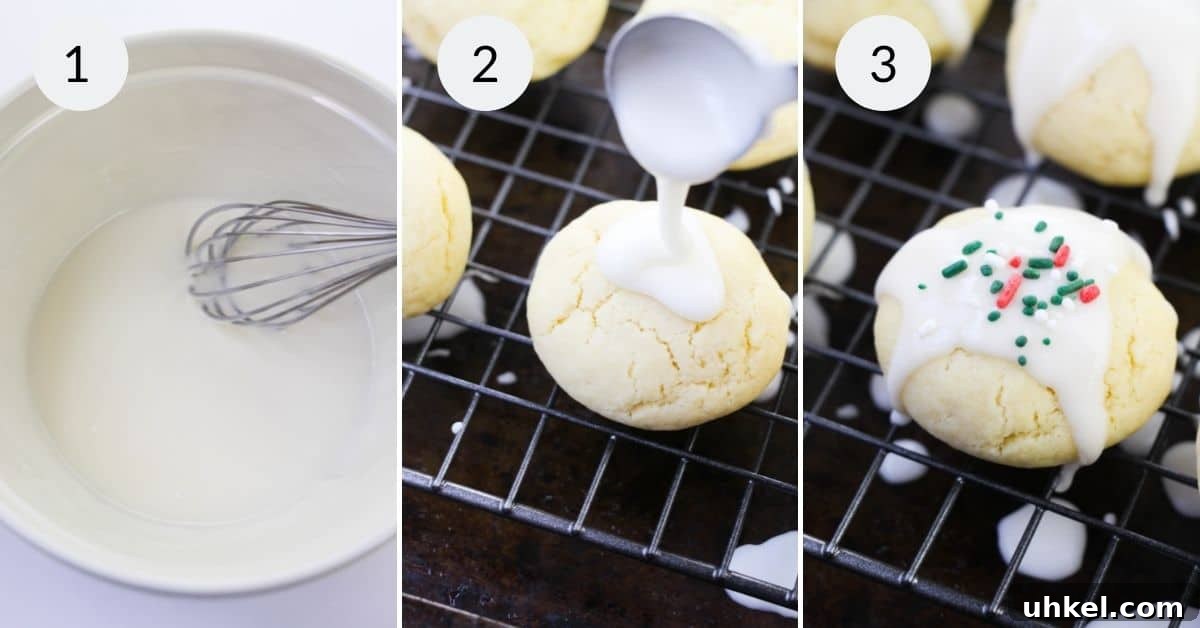
Recipe FAQs for Knot Cookies with Sprinkles
Knots give the cookies their traditional look, but you can roll dough into small balls instead if you prefer. Bake 8–10 minutes until lightly golden and cracked on top, then cool completely before glazing.
Try lemon, almond or anise-flavored glaze. Match sprinkles to the season—Easter pastels, Christmas colors, or wedding hues. A wire rack helps excess glaze drip away for a cleaner finish.
Cool cookies completely before storing. Use airtight containers or wrap tightly to limit exposure to air. Store at room temperature for several days, or freeze for longer storage.

Expert Tips
Don’t add sprinkles until the glaze is wet but not overly runny—if the glaze dries completely the sprinkles won’t adhere. Below are a few simple tips to improve results:
- Shortcut: Dust with powdered sugar instead of icing for an easy finish.
- Color: Add a few drops of food coloring to the glaze for festive variations.
- Sprinkle hack: Use slightly thicker glaze and apply sprinkles as the glaze begins to set to prevent bleeding.
- Zest: Add lemon, orange or lime zest for a bright citrus note.
- Add nuts: Fold in finely ground nuts like pistachios, almonds, pecans or walnuts for texture and flavor.
- Flavor swap: Substitute anise extract for almond extract if you prefer a licorice-like flavor.
- Lemon icing: Fresh lemon juice brightens the glaze—add extra powdered sugar if needed to reach the right consistency.
What to Serve with These Cookies
- Other Italian cookies like Italian Crescent Cookies for a varied platter.
- Simple beverages such as coffee or iced coffee to balance the sweetness.

Italian Knot Cookies (Anginetti)
Equipment
-
Rimmed Baking Sheet
-
Parchment Paper or Silicone Baking Mat
-
Mixing Bowls and Whisk
-
Mixer (stand or hand)
-
Cookie Scoop or Spoon
Ingredients
- 3 cups All-Purpose Flour
- 3 teaspoons Baking Powder
- ½ teaspoon Salt
- ¾ cup Vegetable Shortening
- ¾ cup White Sugar
- 3 Eggs (room temperature)
- 1 teaspoon Vanilla Extract
- ½ teaspoon Almond Extract
- Optional Icing Glaze:
- 2 cups Powdered Icing Sugar
- 4 Tablespoons Whole Milk or Cream
- 2 Tablespoons Melted Butter
- 1 teaspoon Vanilla or Almond Extract
- Sprinkles, as desired
Instructions
-
Preheat oven to 400°F.
-
Line two baking sheets with parchment paper or silicone mats.
-
Whisk together flour, baking powder and salt; set aside.
-
Beat shortening and sugar until light and fluffy, about 2 minutes.
-
Beat in eggs and extracts about 30 seconds. Add half the flour mixture, mix, then add the remaining flour and combine.
-
Portion dough with a cookie scoop. Roll into ropes for knots or into balls for smooth cookies.
-
Bake 8–10 minutes, until lightly golden and cracked on top.
-
Cool completely on a wire rack before glazing.
-
For the glaze, whisk powdered sugar with milk, melted butter and extract. Adjust consistency as needed.
-
Spoon about 1 tablespoon of glaze onto each cookie and add sprinkles while the glaze is wet. Let set 30 minutes.
-
Makes approximately 30 cookies.
Notes
- Add Nuts: Finely ground nuts like pistachios, almonds, pecans or walnuts can be folded into the dough for extra texture.
- Shortcut: Dust with powdered sugar instead of icing for a classic finish.
- Color: Add food coloring to the glaze for festive variations.
- Sprinkle hack: Use a slightly thicker glaze and add sprinkles as the glaze begins to set to prevent color bleeding.
- Zest: Citrus zest (lemon, orange or lime) brightens the flavor.
- Flavor swap: Use anise extract in place of almond extract for a different profile.
- Lemon icing: Fresh lemon juice adds zing—add more powdered sugar if needed to reach the proper consistency.
- Scale the recipe: Adjust serving size in the recipe card and ingredient amounts will scale.
- Use unsalted butter: If substituting butter for shortening, unsalted butter lets you control salt level.
- Preheat the oven: Always preheat before baking unless the recipe specifies otherwise.
For more details, variations and tips, refer to the blog post sections above.
Nutrition
Nutrition information are estimates; verify with your preferred resource if needed.
This recipe is a personal adaptation inspired by traditional versions and is intended to be approachable for home cooks. It may differ from authentic regional recipes, which are linked or referenced in the blog post for those who want to explore traditional variations.