Simplifying the toys in your home reduces clutter, lowers stress, and improves how your children play. Use this practical guide to declutter toys for good and create a calmer, more creative play environment.
Table of Contents
Too many toys create the same overwhelm our brains feel with a dozen browser tabs open: distraction, low focus, and stress. When children play, they learn and grow most effectively in environments that are clear and intentional. Reducing the number of toys helps them focus, encourages longer play sessions, and fosters imagination.
Benefits of Decluttering Your Toys
Simplifying your toy collection brings measurable benefits for the whole family. Here are key advantages to keeping fewer, better-chosen toys.
- Less stress for kids and parents. Physical clutter raises stress and reduces focus and satisfaction. Cutting down on toys reduces that burden for everyone in the home.
- More creative and independent play. Research shows children engage longer and more imaginatively with fewer toys. Open-ended toys invite exploration and creativity.
- Faster cleanup. Fewer items mean simpler tidying and less daily effort spent picking up.
- Higher toy value and care. Scarcity increases appreciation. Children tend to care for and value a smaller selection of toys more than a large, abundant collection.
- Better spending habits. Once you experience the benefits of fewer toys, you’re likely to buy less and choose higher-quality items intentionally—better for your budget and the planet.
Open-Ended Toys vs. Closed-Ended Toys
Understanding open-ended versus closed-ended toys helps you choose items that encourage richer play.
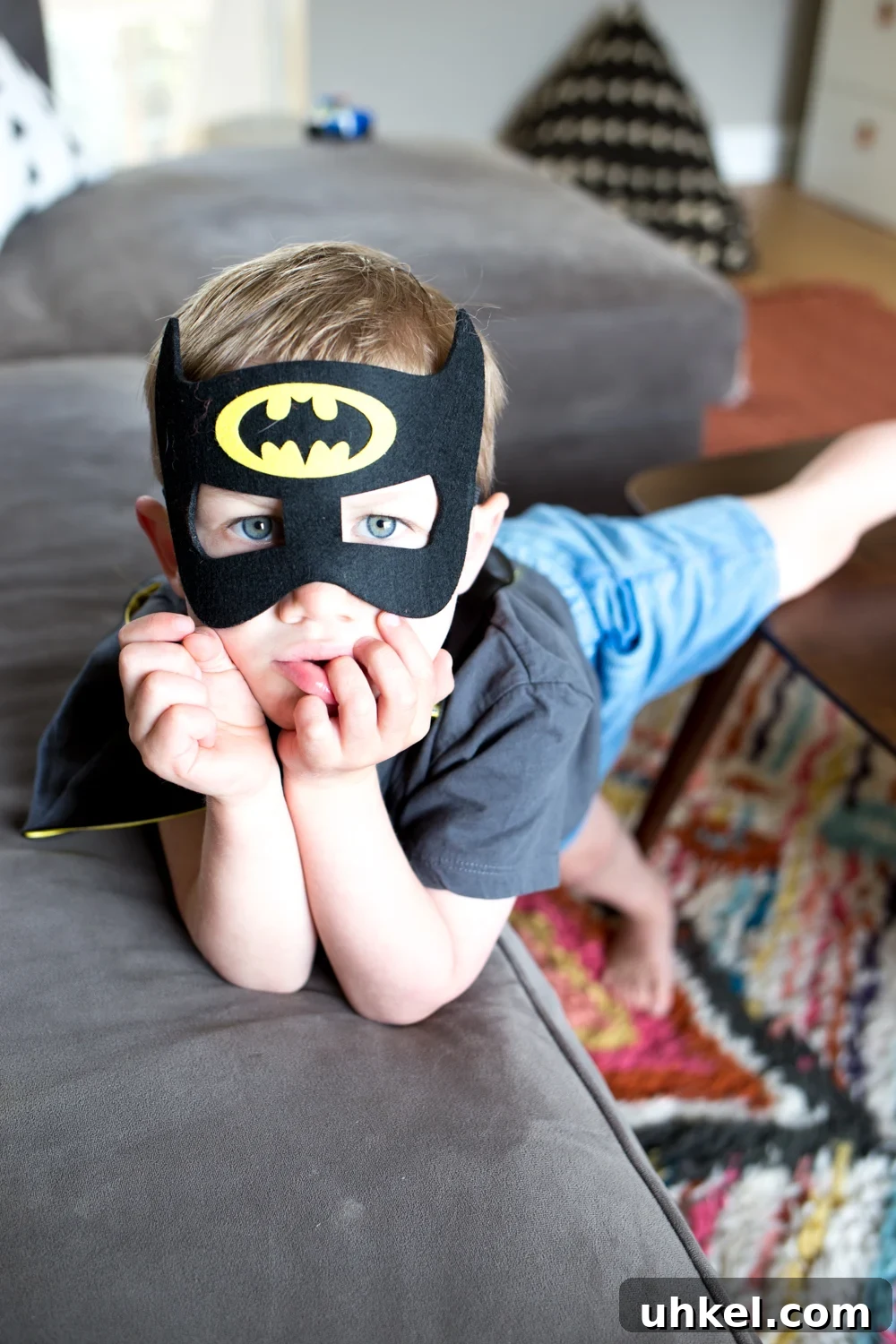
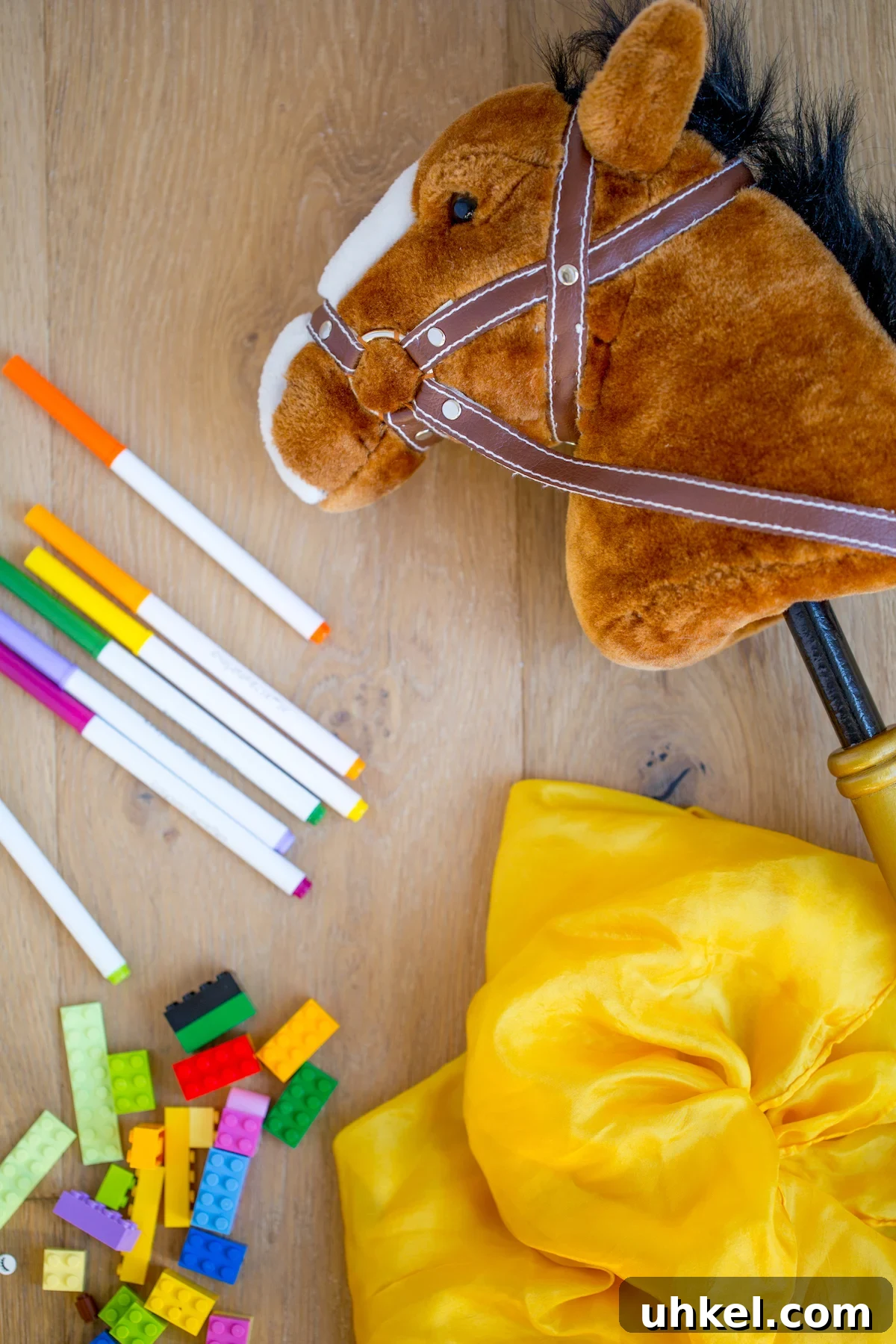
- Open-ended toys: Items that can be used in many ways across ages and genders—blocks, classic LEGOs, Play-Doh, art supplies, balls, costumes and climbing structures. These toys support creative, physical, and imaginative play and should make up most of your collection.
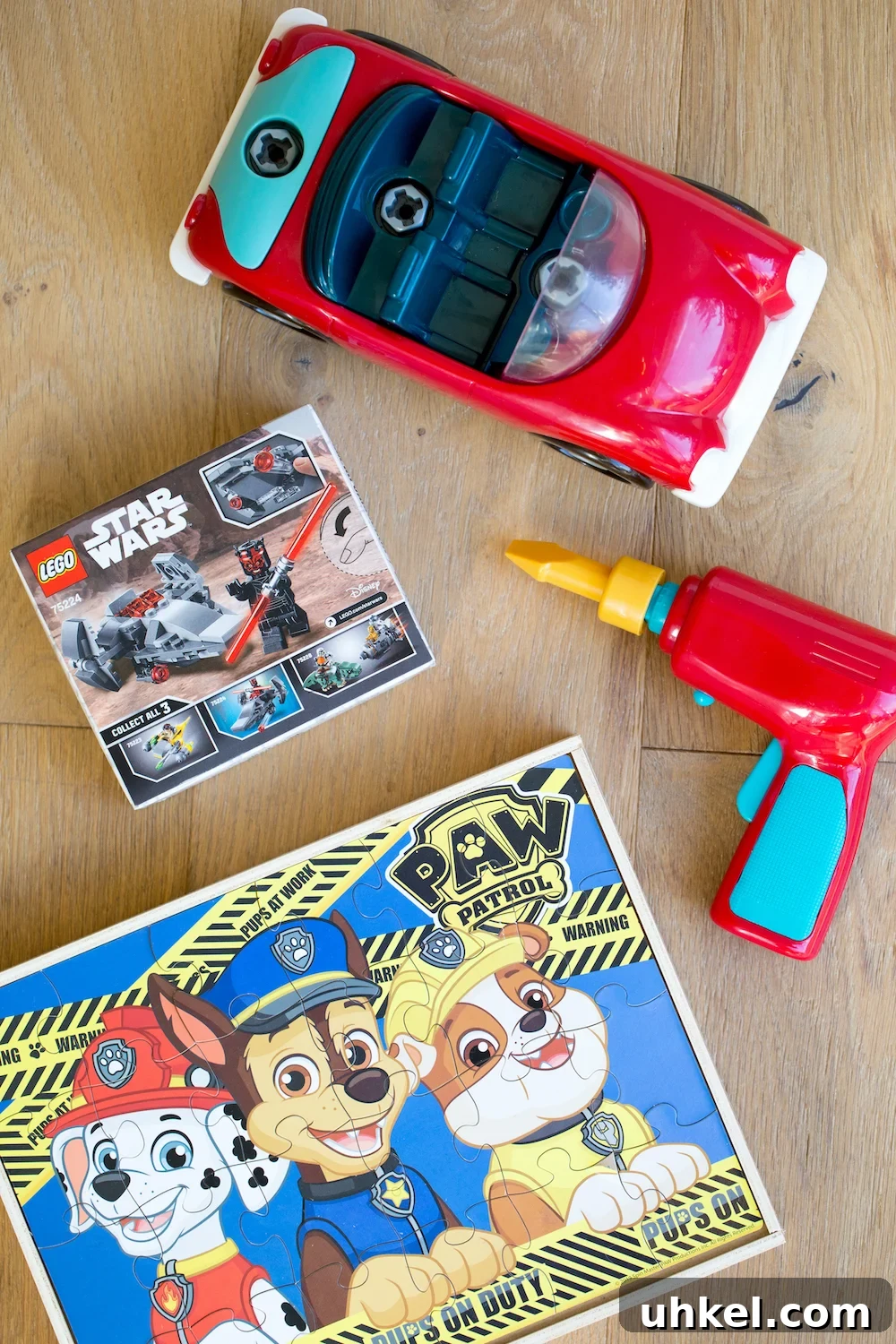
- Closed-ended toys: Toys with a single use or a clear finish point—certain puzzles, kits, or single-function gadgets. These are useful for teaching task completion but often provide shorter play sessions.
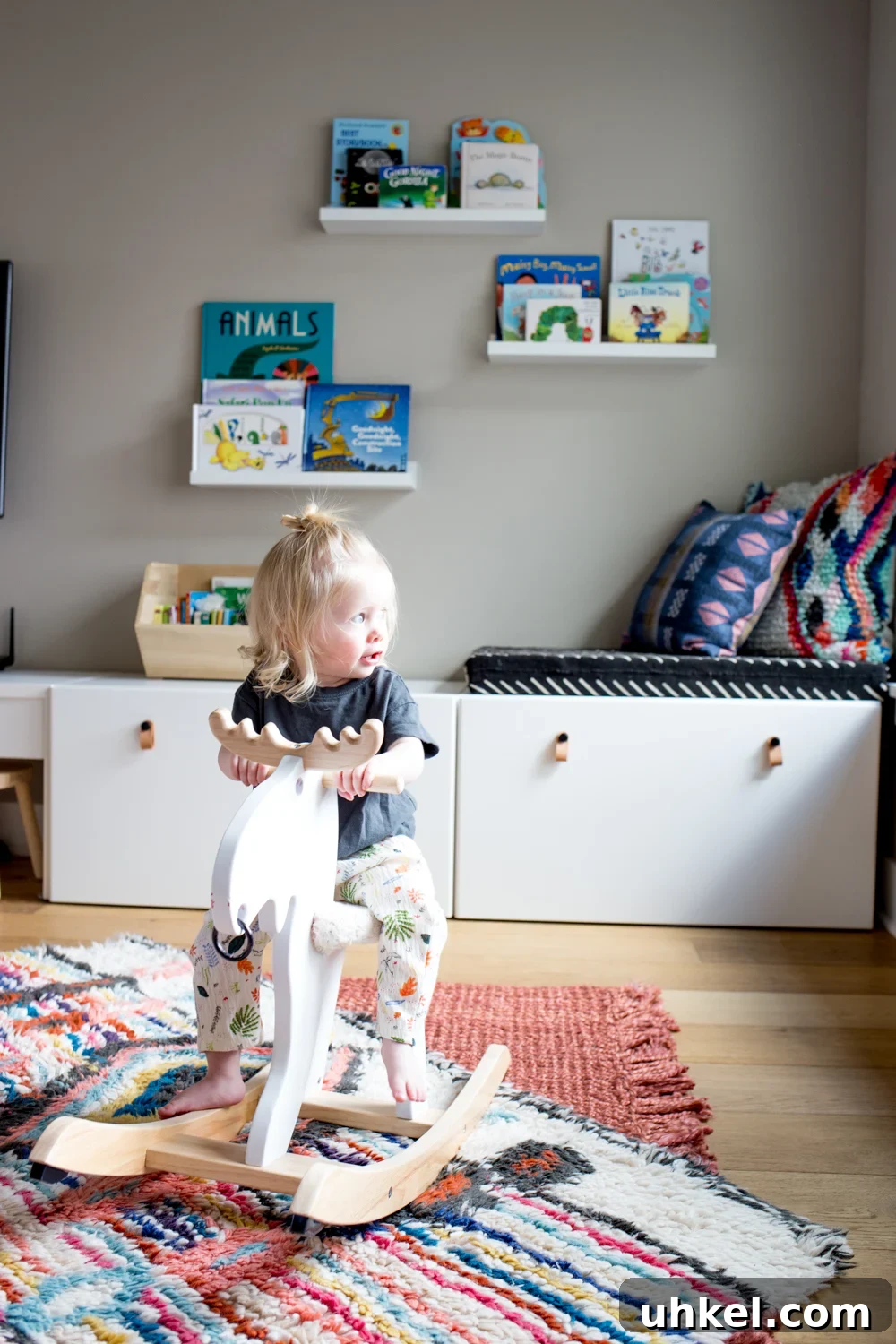
How to Declutter Your Toys
Follow these clear steps to pare down and maintain a functional toy collection.
Step 1: Watch & reflect.
Observe how your children play for a week. Note which toys hold their attention, which are played with repeatedly, and which sit unused. Ask yourself:
- Which toys are used across ages and by different children?
- Which items spark creativity or physical activity?
- Which toys support long, independent play sessions?
- Which toys are quickly abandoned, broken, or outgrown?
- Which toys does your child genuinely love?
Step 2: Sort your toys.
Sort toys by category so you can see duplicates, excess, and truly meaningful items. Gather each category in one place before deciding. Useful categories include:
- Baby toys: mats, stacking toys, sensory items, rattles, teethers.
- Dolls & stuffed animals: dolls, accessories, plush toys.
- Building toys: LEGOs, blocks, Duplos, magnet tiles.
- Creating toys: art supplies, craft kits, jewelry-making sets.
- Imaginative toys: play kitchens, dress-up, puppets, role-play sets.
- Transportation: cars, trains, tracks, garages.
- Figurines: action figures, Playmobil, small characters.
- Games: board games, cards, puzzles, video games.
- Active toys: balls, bats, scooters, bikes, trampolines.
- Musical instruments.
Step 3: Declutter one category at a time.
Work methodically through each category to make decisions easier.
- Gather supplies: boxes or bags for keep, donate, sell, recycle, and trash; cleaning cloths and a small vacuum to tidy storage as you go.
- Create labeled piles: separate zones for items to keep, sell, donate, recycle or toss.
- Use a timer: short sessions prevent overthinking and keep momentum.
- Set boundaries: limit counts or assign storage space—e.g., one bin for LEGOs, a set number of toy cars.
- Keep favorites: if a toy is loved and frequently played with, keep it for now.
- Quick wins first: remove duplicates, broken items, missing-piece toys, and clearly outgrown items to build momentum.
- Follow your boundaries: use the rules you set to guide decisions; trust that fewer, better toys are enough.
Step 4: Organize & arrange.
Make the toys you want kids to use visible and easy to reach.
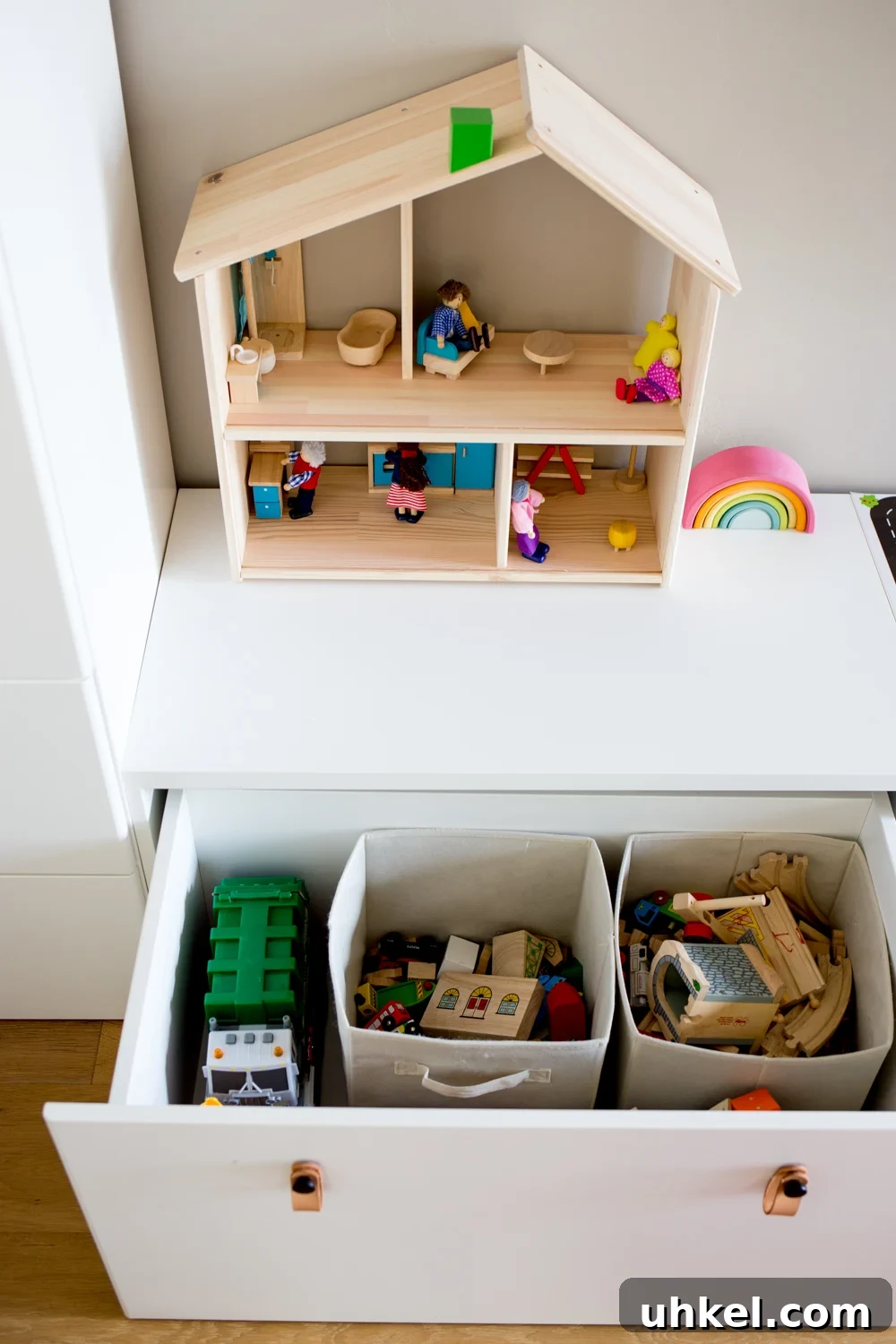
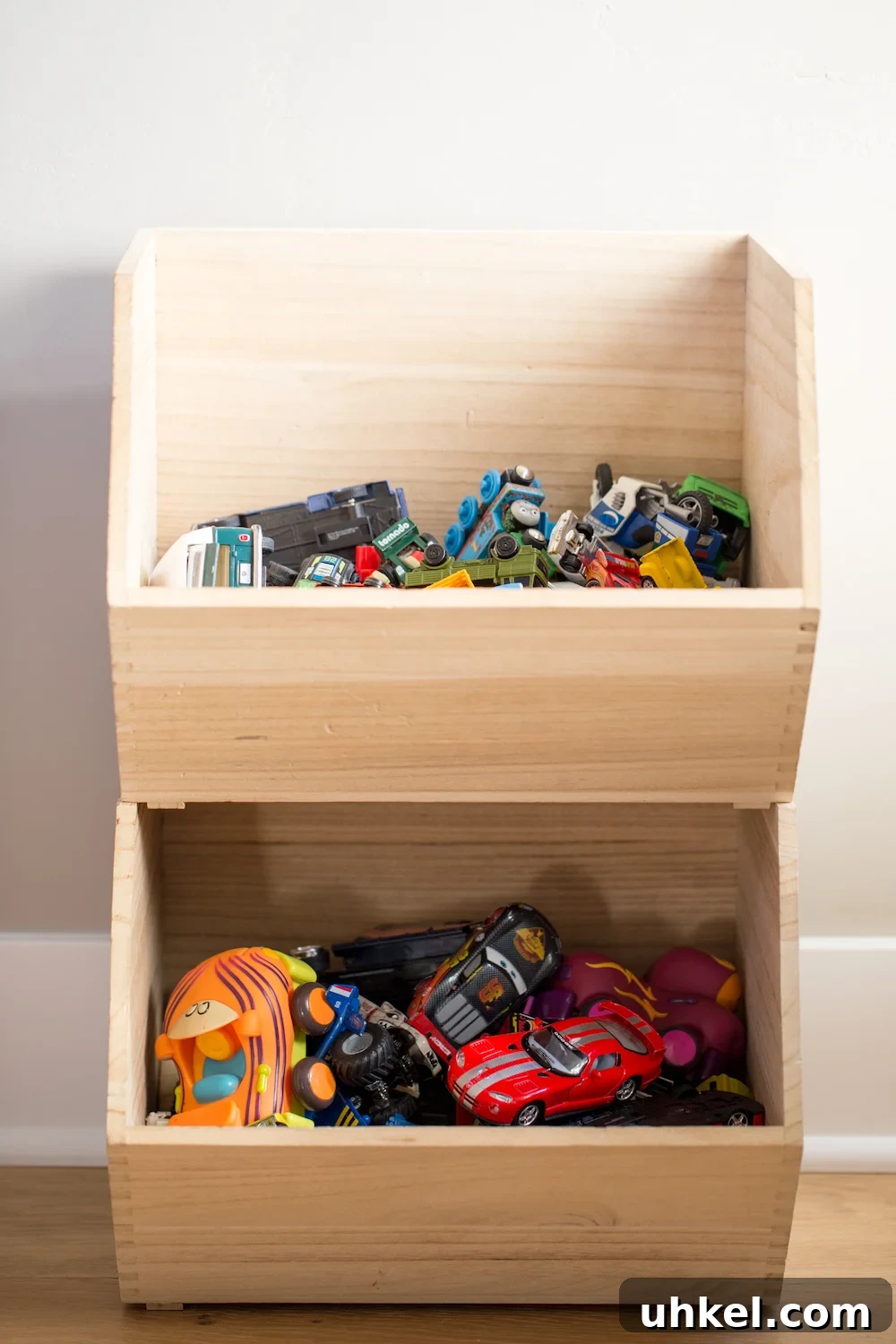
- Use small bins: store small pieces and similar items together for easy access and cleanup.
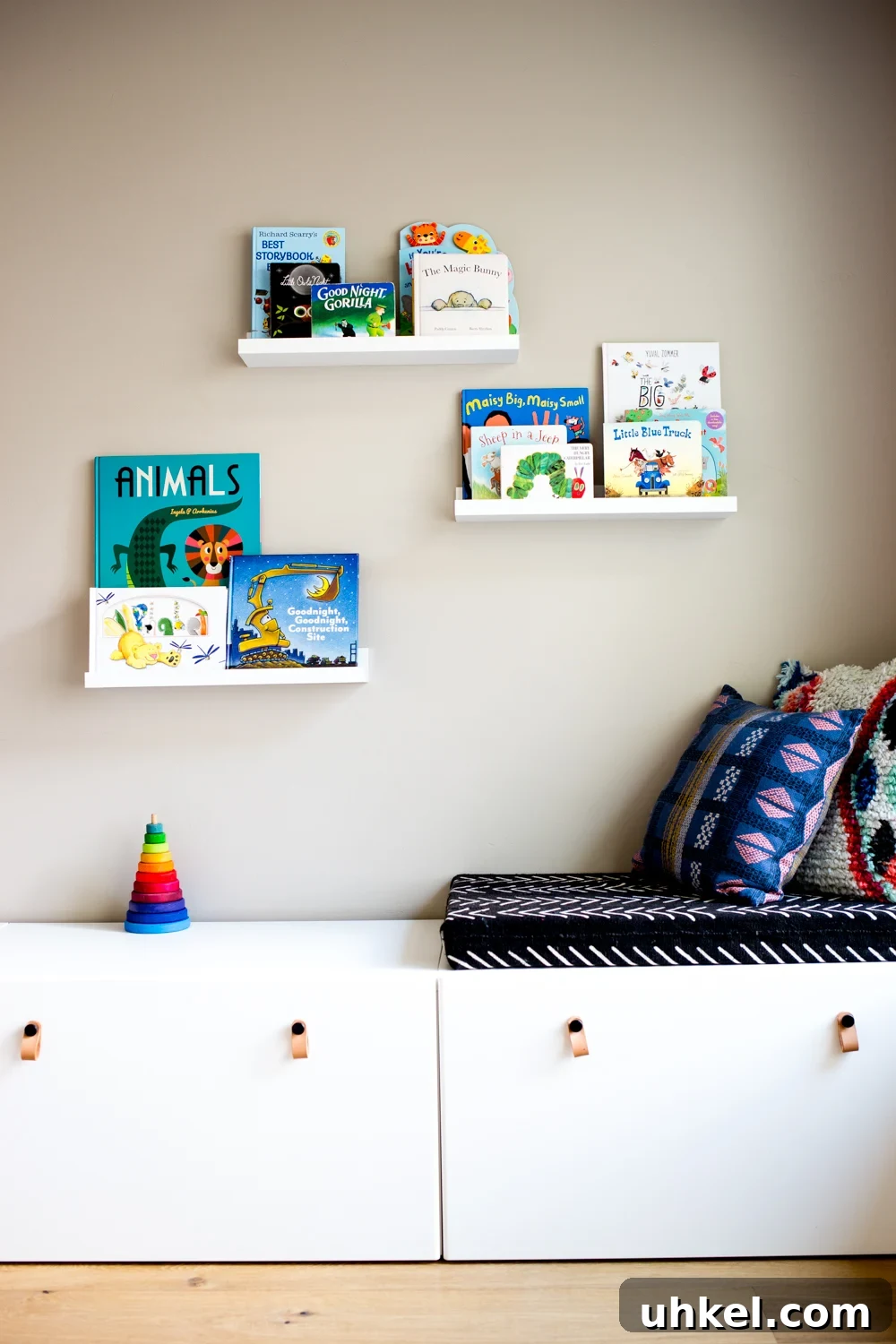
- Create mini displays: arrange 5–10 curated toys on shelves near where the family spends time to invite play.
- Rotate toys: store excess and rotate selections every few weeks to keep interest high.
Thoughtful presentation increases the chance kids will value and tidy their toys themselves.
Step 5: Get rid of your unwanted toys.
Once sorted, move unwanted toys out of the house quickly to avoid second-guessing. Consider these options to keep items out of landfill when possible:
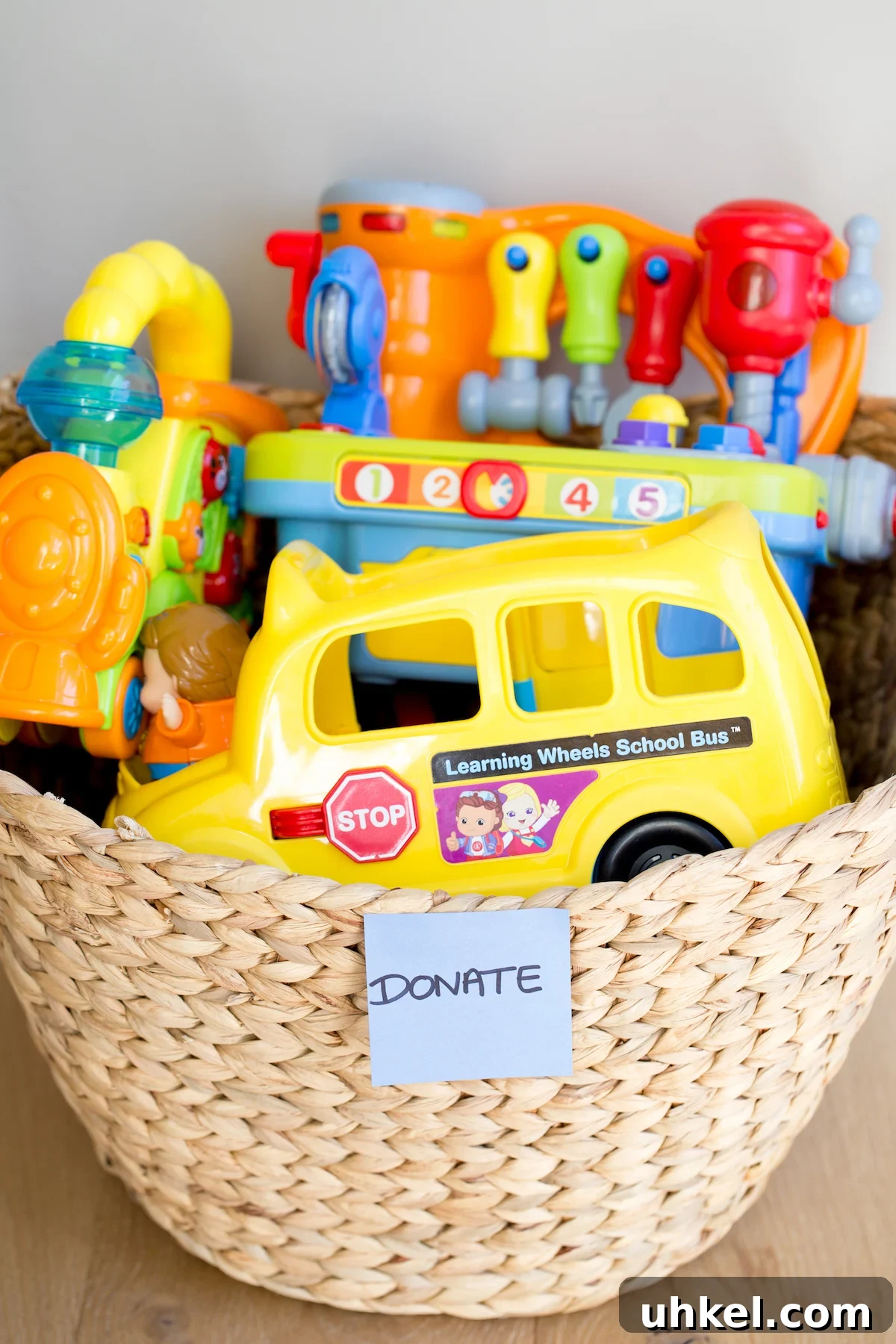
- Donate: Give good-condition toys to shelters, hospitals, preschools, or local charities.
- Sell: Use neighborhood marketplaces or yard sales to sell gently used toys and recoup some cost.
- Recycle: Check local recycling rules for plastics and specialized programs that accept toys. Some programs require fees but can be a responsible option for hard-to-recycle items.
Enjoy the clearer space and the calmer, more focused play you’ve created.
How to Keep the Toys Decluttered
Maintaining a streamlined toy collection requires a plan and consistent habits. Try these strategies:
- Identify the source: Notice whether clutter comes from impulse buys, gifts, or hand-me-downs so you can address the root cause.
- Change buying and receiving habits: Discuss purchases with family, avoid impulse shopping, and share your preferences with gift-givers.
- Ask for experience gifts: Encourage donations to education funds or experiences instead of more plastic toys.
- Curate with intention: Prefer open-ended toys that foster longer play; avoid buying multiples of the same thing out of convenience.
- One-in, one-out policy: For each new toy, have your child choose one or two to donate or sell before the new item comes in.
Frequently Asked Questions
There’s no single correct number. Focus on keeping toys that add value, support creative play, and make you feel good about the space. Each decluttering session will likely result in fewer toys than before.
For children under four, adults can lead the process. After about age four or five, involve kids to teach decision-making, generosity, and care. Older children can also participate by selling items and sharing proceeds.
A simple, polite message works well: explain you’re trying to reduce clutter and suggest alternatives like experiences, contributions to an education fund, or a small list of intentional items you’d appreciate. Framing it around sustainability and avoiding landfill-bound plastic can also help.
Got more questions? Drop them in the comments below and I’ll add answers to the most common ones here!
More toy alternatives and decluttering tips:
- How to Declutter Kids’ Books
- Best Experience Gifts for Kids
Pin this Post