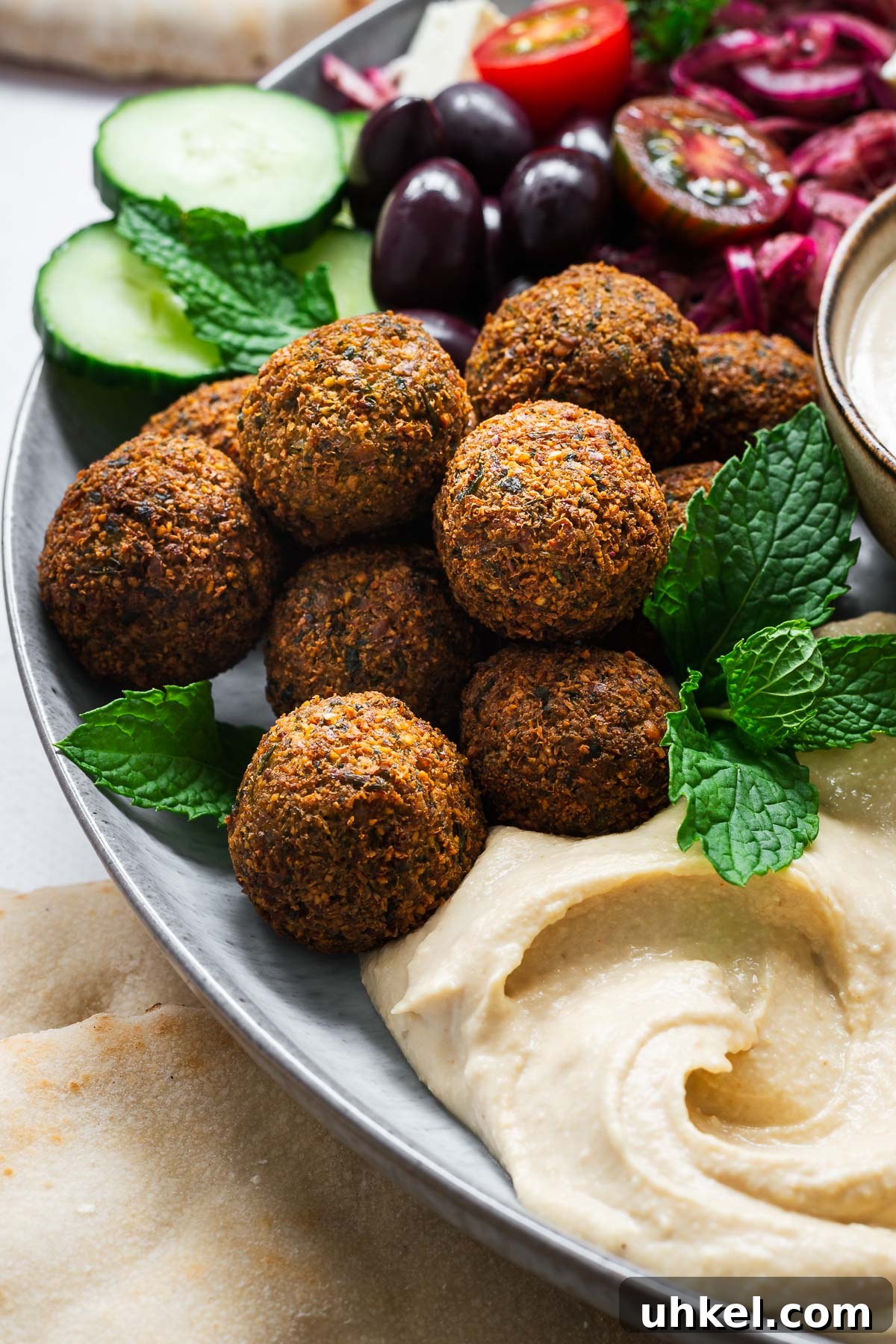
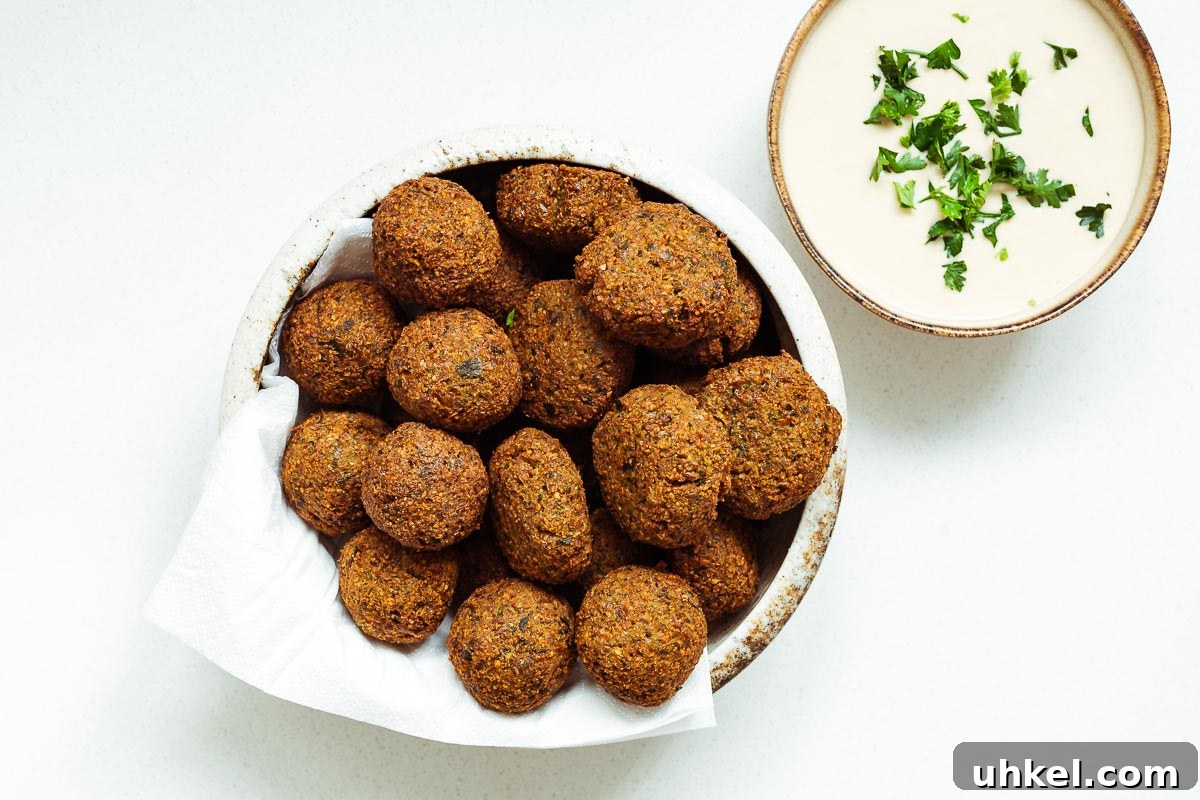
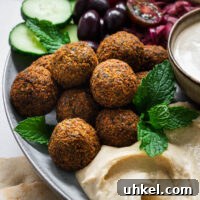
You haven’t truly experienced falafel until you’ve tried freshly made crispy falafel balls. This Middle Eastern falafel recipe produces a satisfyingly crisp exterior with a soft, fluffy, herb-filled centre for an authentic and delicious result.
Serve these Middle Eastern falafel balls as a snack with tahini sauce or tzatziki for dipping. Or press the mixture into small patties and stuff them into warm pita bread with hummus and hot sauce for a light, flavourful meal.
You can also turn them into vegan falafel bowls or a fresh falafel salad for an easy weeknight dinner.
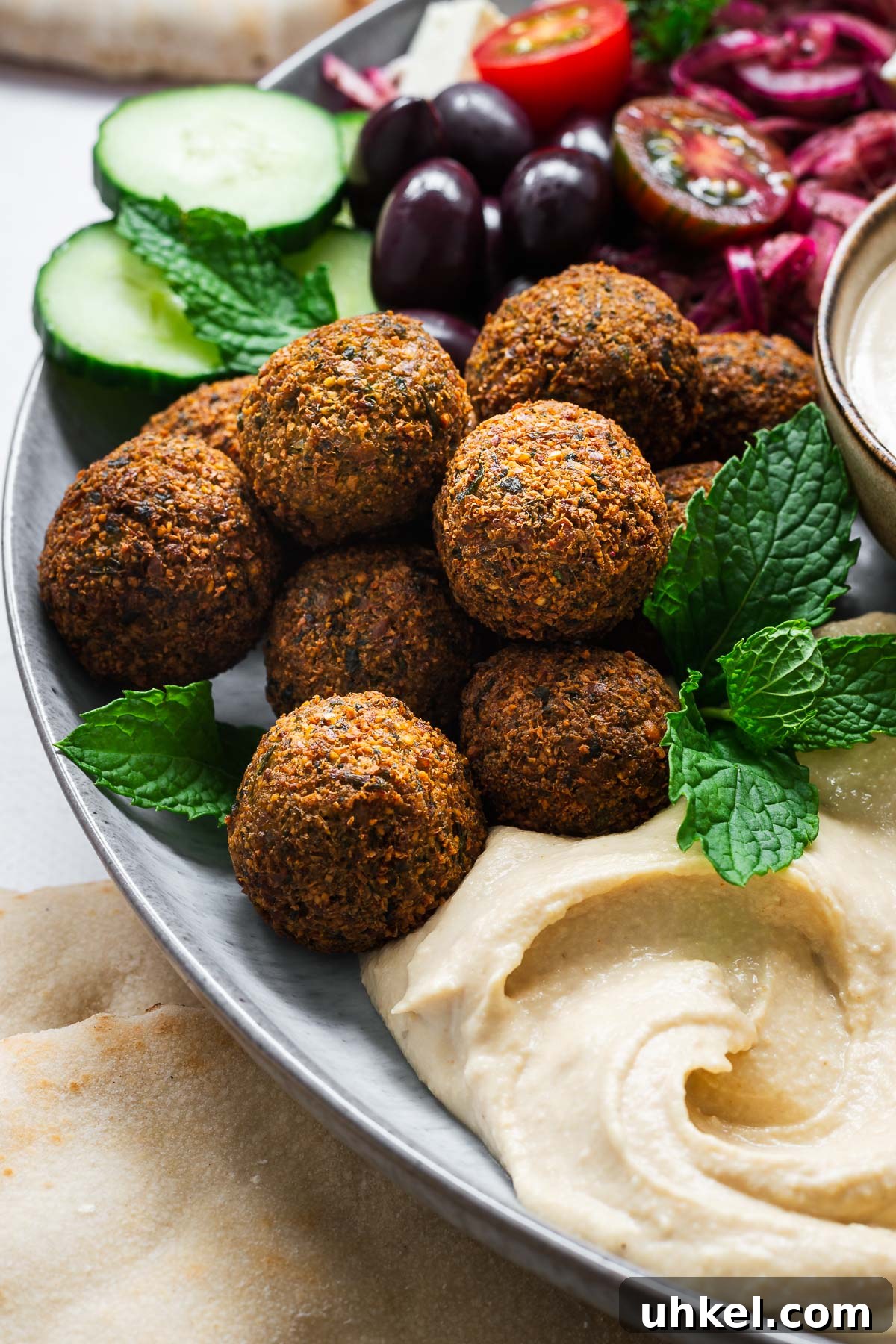
This homemade falafel recipe is adapted from Sami Tamimi’s traditional falafel in Falastin, with additional tips inspired by other classic recipes. Over many test batches I refined the method so the exterior crisps perfectly while the inside stays tender and green from fresh herbs.
This post contains detailed instructions for traditional falafel. It’s comprehensive — skip to any section you need:
- Ingredients & substitutes
- Tips for perfect fried falafel
- Step-by-step instructions
- How to freeze falafel
- How to serve falafel
- Crispy falafel recipe card
What is a Middle Eastern falafel?
Traditional falafel are deep-fried fritters made from ground chickpeas (garbanzo beans) or fava (broad) beans mixed with lots of fresh green herbs. Street vendors in the Middle East form the mixture into small balls or patties and deep-fry them until golden and crisp.
Falafel is widely enjoyed across the Arab world and is a beloved street food and home dish in many countries. Variations exist: in some places chickpeas are combined with fava beans, while others use only one type of legume.
This recipe uses only dried chickpeas. Dried chickpeas are easy to source and produce the classic texture of Israeli-style chickpea falafel: crispy outside and light and herbaceous inside.
Ingredients & substitutes
The main ingredient for these falafel is dried chickpeas. Fresh herbs, onion and spices add bright flavour and a green interior. As long as you start with dry chickpeas, you can adjust herbs and spices to make this vegan falafel your own.
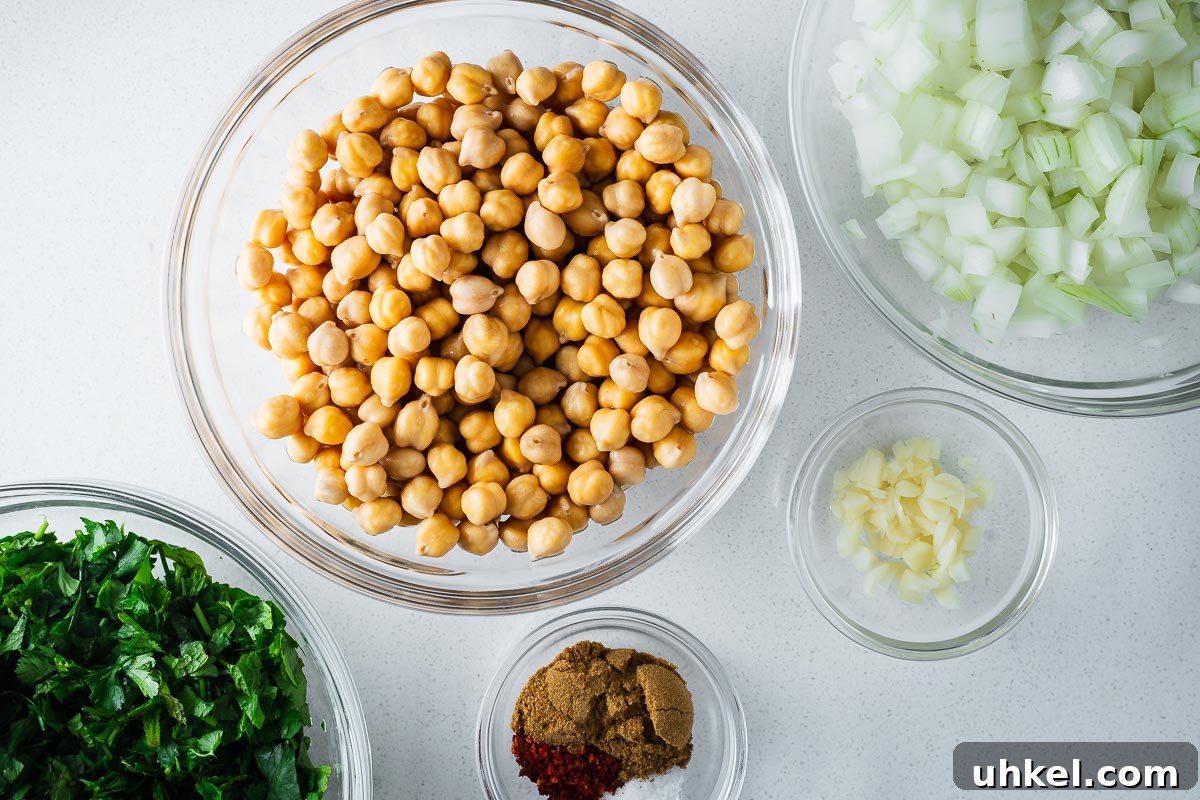
Dried chickpeas
Use dry, uncooked chickpeas that have been soaked overnight. Do not use canned or already-cooked chickpeas for authentic, stable falafel — cooked chickpeas lack the right texture and will often fall apart when fried.
Garlic
Fresh minced garlic adds depth and fragrance. If necessary, a small amount of garlic powder can be used, but fresh is best.
Green herbs
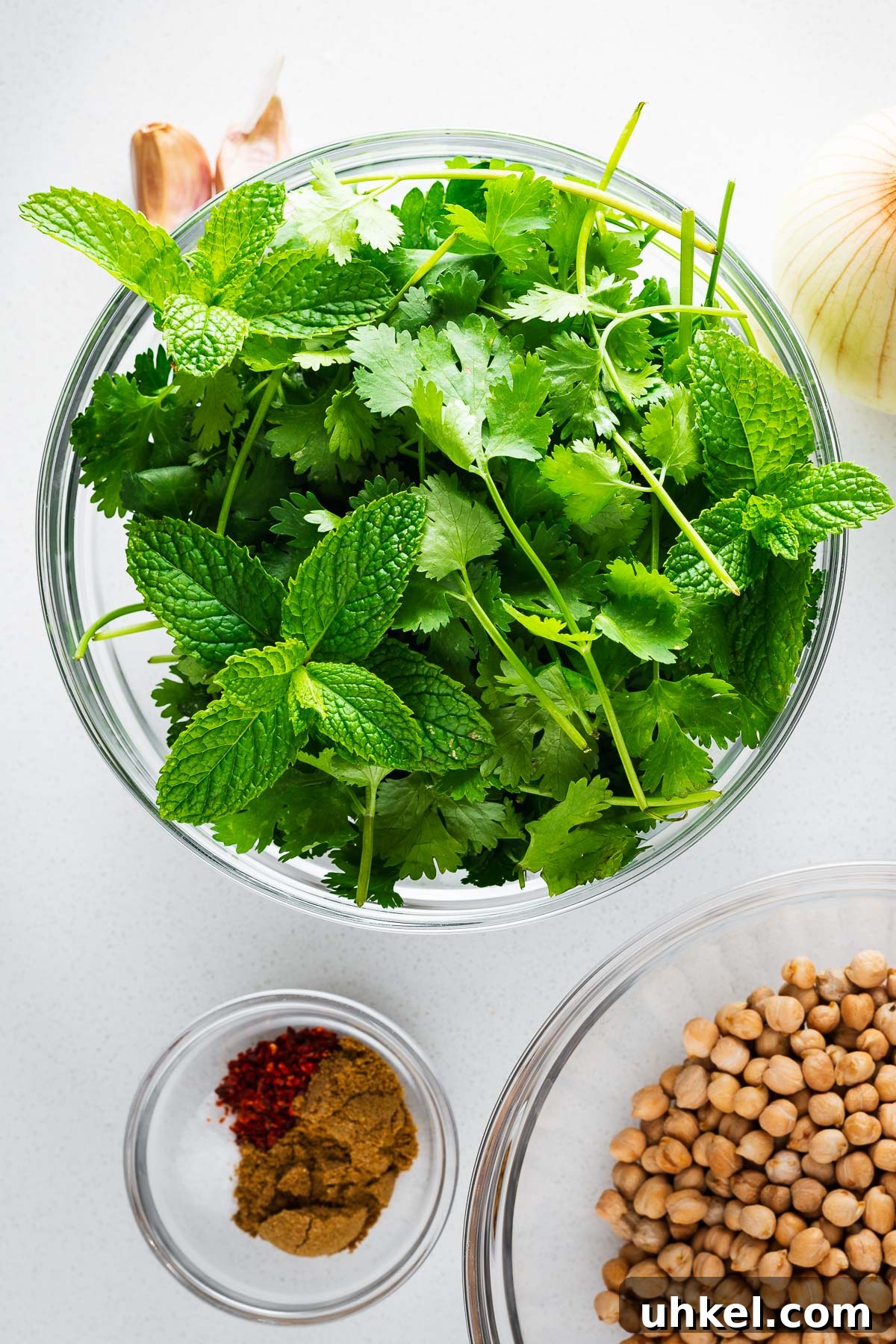
A mix of fresh parsley, cilantro (coriander leaves) and a little mint gives falafel its characteristic green colour and herb-forward flavour. I use mostly parsley and cilantro with a few mint leaves for balance, but adjust to taste.
Onion
Chopped onion adds moisture and a mild sweetness. Yellow, white or red onion all work; finely chop for even distribution.
Chilli flakes
Aleppo pepper flakes are ideal for a gentle, fruity heat, but red pepper flakes or freshly ground black pepper can be used instead or omitted if you prefer no spice.
Spices
Use ground cumin and ground coriander for warm, aromatic notes. A typical ratio is equal parts cumin and coriander; feel free to add a pinch of sumac for a bright twist.
Baking powder
Baking powder is important: it helps the falafel expand slightly and stay light and fluffy inside while the outside crisps.
Seasoning
Use a good pinch of salt to bring out flavours. Taste the uncooked mixture if you’re unsure about salt levels (note that raw tasting is safe for this uncooked mixture made from soaked chickpeas and fresh herbs).
Sesame seeds (optional)
Press sesame seeds onto uncooked falafel balls for a nutty finish and attractive texture.
Oil for frying
Use a neutral oil with a high smoke point such as vegetable, canola or sunflower oil. You only need enough oil to deep-fry — about 2 to 3 inches (6–8 cm) in a medium saucepan.
Tips for perfect fried falafel
For authentic falafel with a crisp exterior and a tender interior, keep three key rules in mind:
- Use dried chickpeas soaked overnight; never use canned chickpeas for traditional deep-fried falafel.
- Deep-fry for the best texture — frying seals the outside quickly so the inside stays light.
- Serve freshly fried while still warm for maximum crispness.
Tip 1: Use dried chickpeas
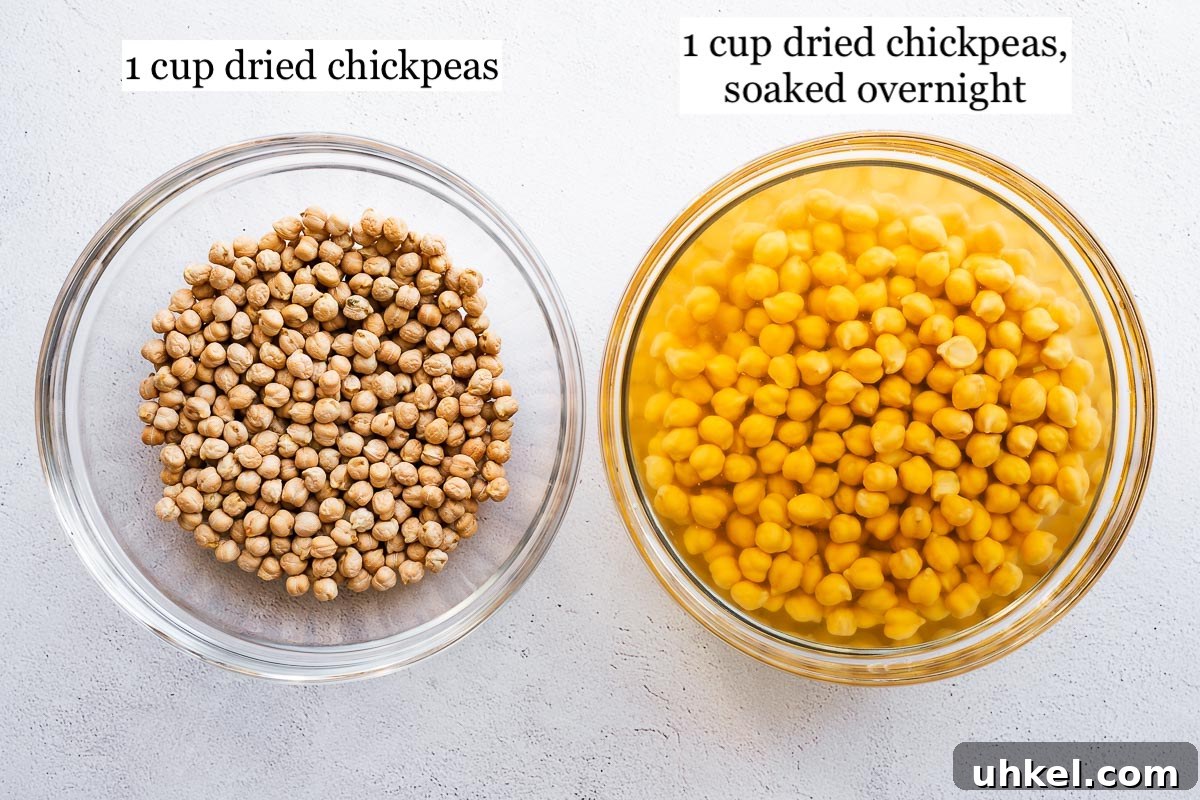
Cooked or canned chickpeas do not contain the same dry-starch structure as soaked uncooked chickpeas and will often disintegrate in hot oil. Soak dried chickpeas in cold water overnight (about three cups of water per cup of chickpeas) until they swell and soften but remain uncooked.
Using soaked, uncooked chickpeas means you don’t need egg or flour to bind the mixture; the recipe remains naturally vegan and gluten-free.
Tip 2: Deep fry falafel balls
Deep frying is the traditional cooking method and the best way to achieve a crisp outer shell and fluffy middle. Baking or pan-frying can work in a pinch, but the classic texture comes from properly controlled deep-frying.
Tip 3: Serve the falafel fresh
Falafel taste best when served immediately after frying. Drain briefly on kitchen paper and eat while warm. Leftovers are fine for meals, but they will lose some crispness once cooled.
How to make authentic falafel: step-by-step
There are five main stages to make falafel before serving:
- Soak dried chickpeas
- Make the falafel mixture in a food processor
- Rest the mixture in the refrigerator
- Shape the mixture into balls or patties
- Deep-fry until golden and crisp
Follow these steps for a reliable result, or scroll to the recipe card to start cooking right away.
Step 1: Soak dried chickpeas
Start the day before and soak 1 cup of dried chickpeas in plenty of cold water — about three cups of water per cup of chickpeas. They will swell as they absorb water. The next day, drain them in a fine mesh strainer and pat dry with a clean towel or let them air-dry briefly.
Step 2: Make the falafel mixture
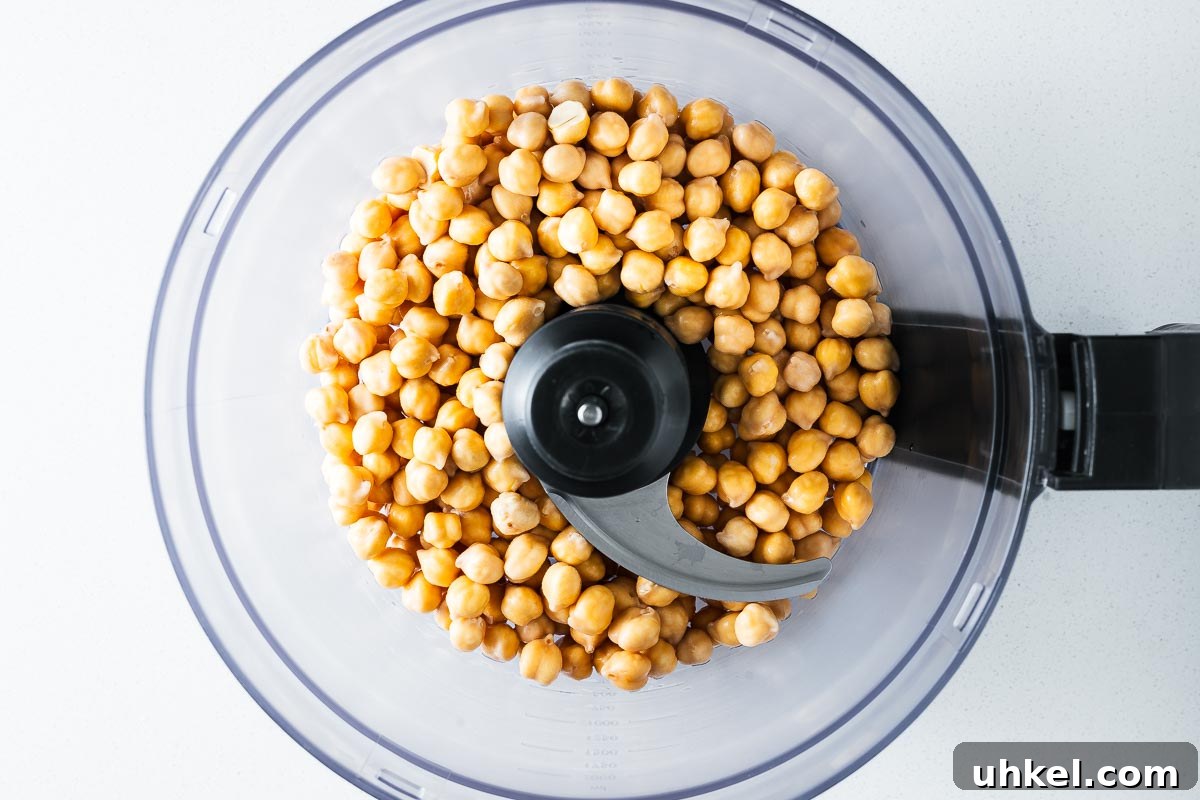
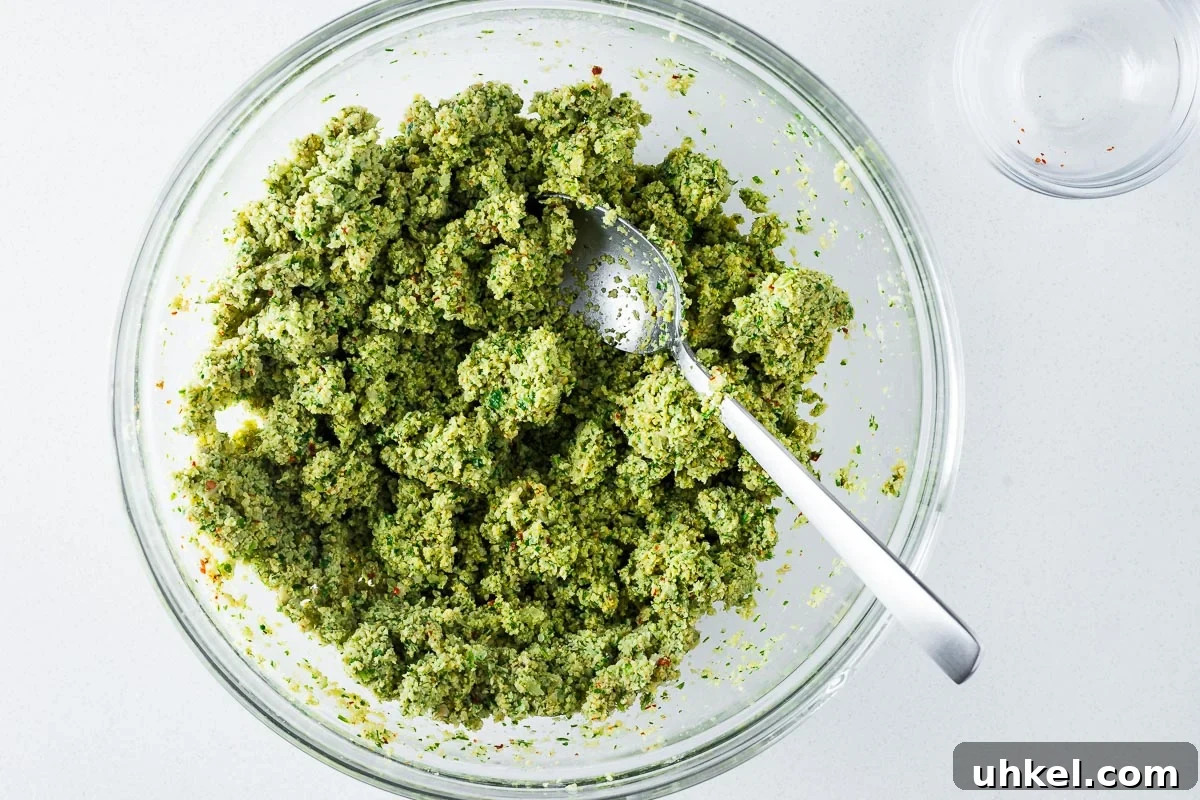
Place the drained soaked chickpeas into the bowl of a food processor and pulse briefly (about 15 seconds). Add the chopped herbs, onion and garlic and pulse again in short bursts until the mixture is coarse and damp but not a wet paste. The texture should be mealy and able to hold together when pressed.
Transfer the mixture to a bowl, stir in chilli flakes, ground cumin, ground coriander and salt, then sprinkle the baking powder and mix once more. Cover and refrigerate.
Step 3: Refrigerate for an hour
Chill the falafel mixture for at least 1 hour. You can keep it in the fridge for up to 24 hours before shaping and cooking, which makes this recipe convenient for prepping ahead.
Step 4: Shape falafel balls
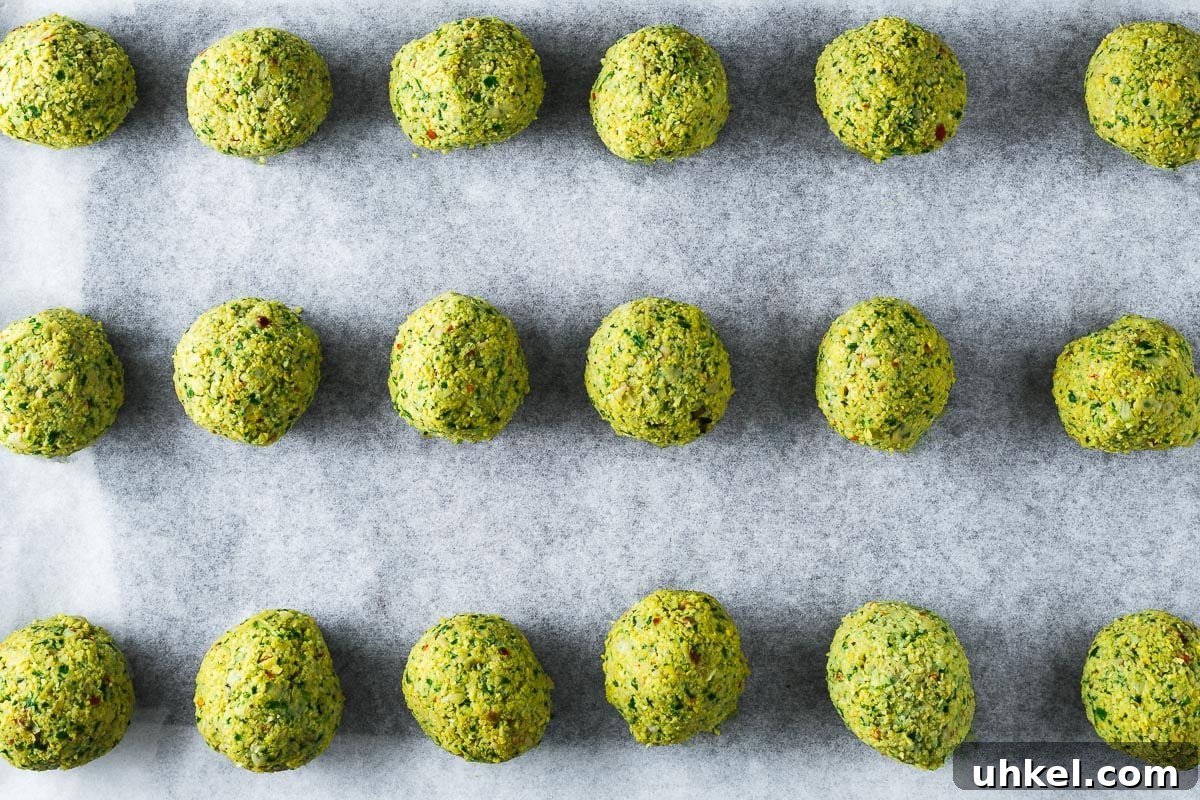
Wet your hands slightly and spoon a heaped tablespoon (about 25 g) of mixture into your palm, rolling it into a small ball. Alternatively, gently flatten into patties. Small falafel are ideal for snacking; larger ones will need longer frying time.
Arrange the formed falafel on a parchment-lined tray. You should get about 22–24 small falafel balls. Press sesame seeds onto each ball if using.
Step 5: Fry falafel balls
Fill a heavy-based saucepan with oil to a depth of about 2½ inches (7 cm) and heat to roughly 350 °F (180 °C). Gently lower falafel into the oil in batches without overcrowding — six to eight per batch for a medium pan. Fry small falafel for 3–4 minutes until golden and crisp; increase to 5 minutes for larger balls.
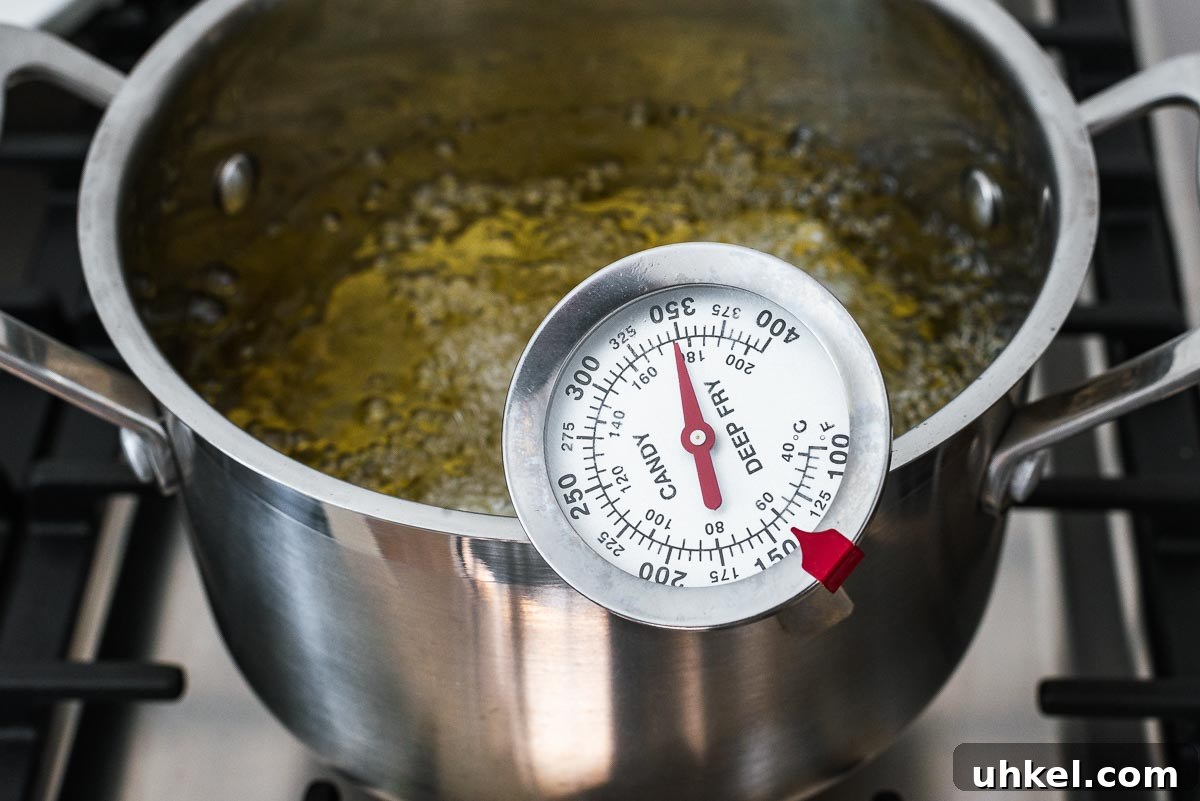
Maintain an oil temperature between 325–350 °F (160–180 °C) for best results. Transfer cooked falafel to a bowl lined with kitchen paper to drain briefly and serve immediately while still warm and crisp.
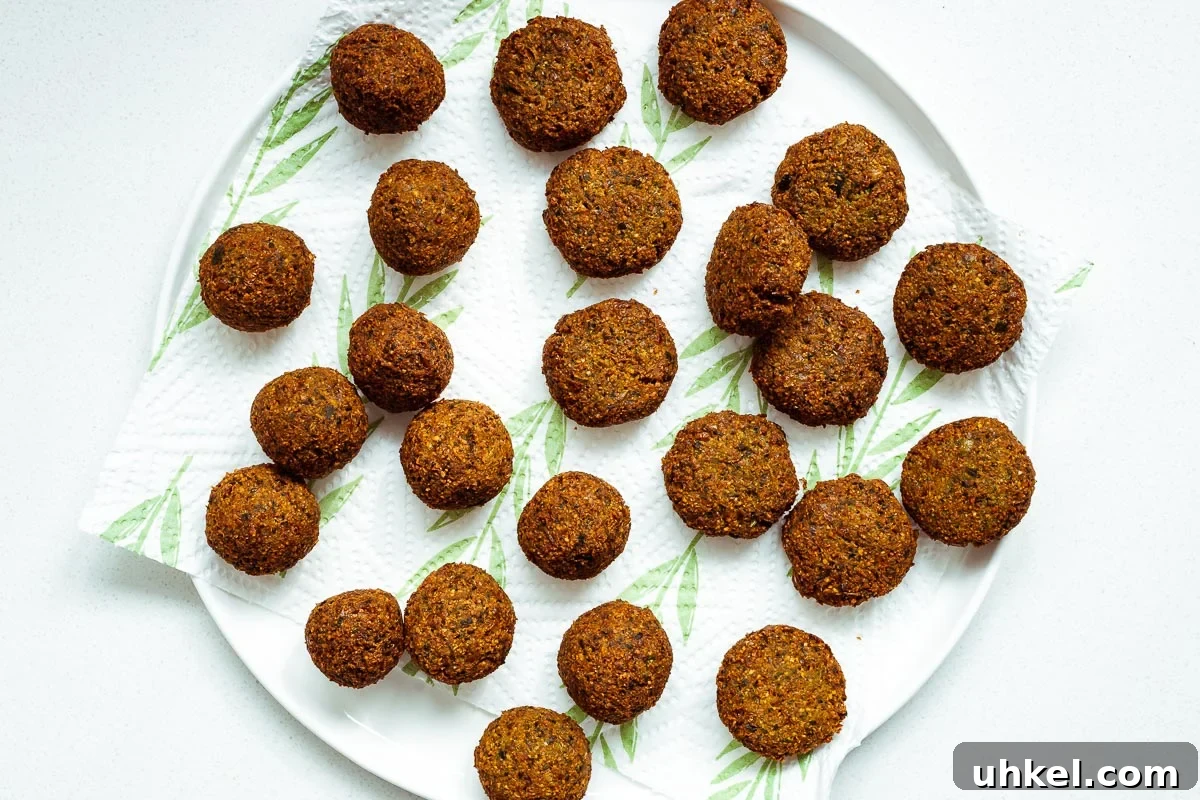
TIP: If you don’t have a thermometer, place a pinch of the falafel mixture in the oil. If it sizzles immediately and browns within a few minutes without burning, the oil is at a suitable temperature. Adjust heat if falafel brown too fast or too slowly.
Don’t want to deep-fry?
Deep frying gives the best traditional texture, but you can pan-fry or bake falafel patties if you prefer to use less oil. Results will be slightly different, and the exterior will be less evenly crisp than when deep-fried.
Pan-fried falafel
Flatten balls into patties and pan-fry in a nonstick skillet over medium-high heat with enough oil to coat the surface. Cook about 5 minutes per side until golden and cooked through.
Baked falafel
Preheat oven to 350 °F (180 °C). Flatten falafel into patties, brush lightly with olive oil, arrange on a parchment-lined tray and bake for 15–20 minutes, turning once halfway, until golden.
The best way to freeze falafel
After shaping the falafel, freeze them on a parchment-lined tray until solid (about an hour). Transfer frozen uncooked falafel to a resealable bag or airtight container. Use within one month for best quality; they can be kept longer but flavour and texture decline over time.
How to cook frozen uncooked falafel?
Small frozen falafel can be fried straight from frozen; add about 30 seconds to the frying time. For larger frozen falafel, deep-fry until golden and finish in a preheated 350 °F (180 °C) oven for 5 additional minutes to ensure they’re cooked through.
How to eat falafel
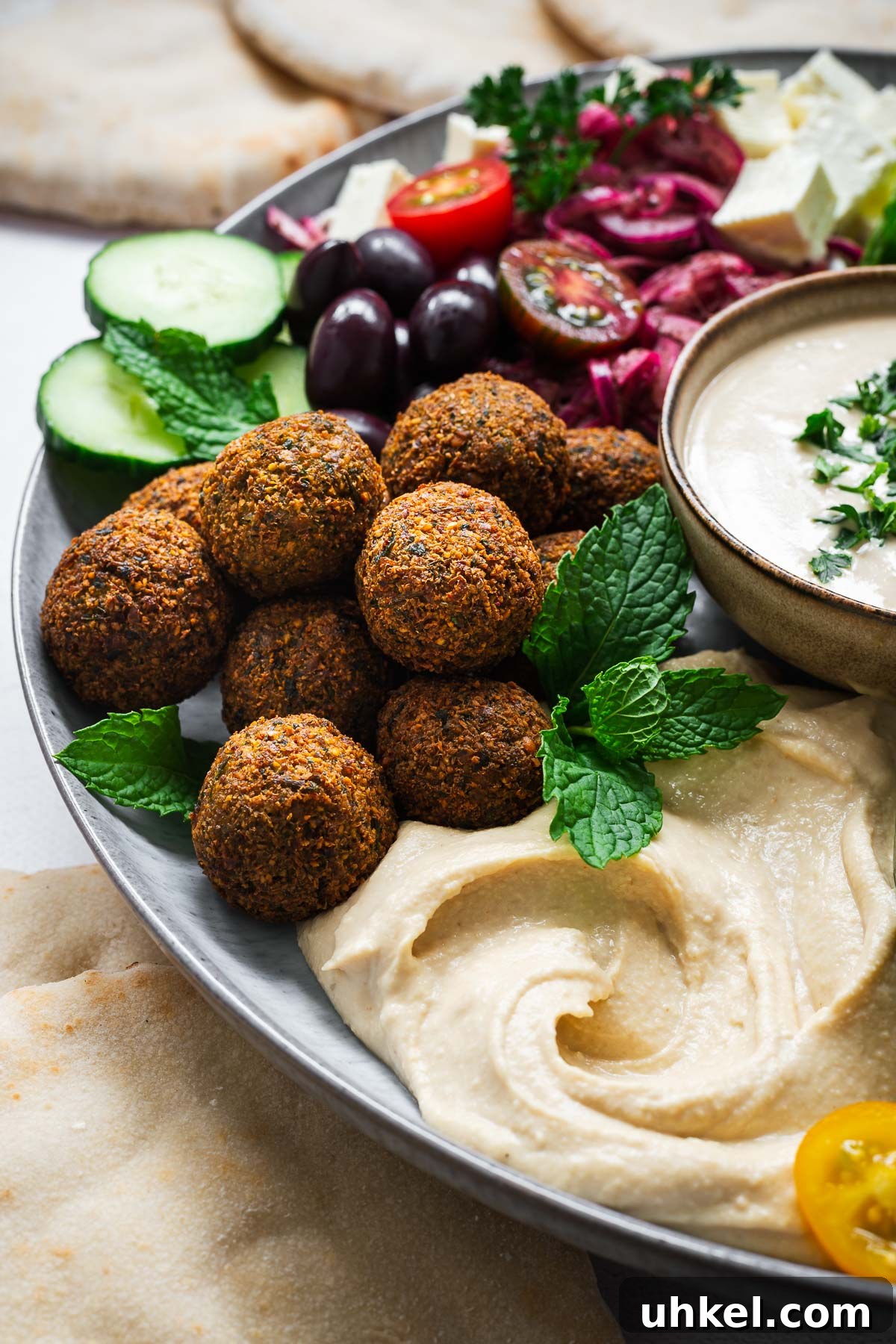
Falafel are best when freshly fried and warm, but they also travel well at room temperature for picnics. Serve them as:
- A snack with tahini sauce, tzatziki, or hummus for dipping.
- A falafel sandwich stuffed into warm pita with hummus, chopped tomatoes and cucumber, fresh parsley, lemon juice and tahini.
- A vegan falafel burger in a bun with relish, lettuce and pickles.
- A mezze plate alongside other Middle Eastern sides such as hummus, labneh, or pickled onions.
- A falafel bowl over a grain or salad with tahini dressing.
Frequently asked questions
Yes. Traditional falafel are vegan, made from chickpeas or fava beans, herbs and spices. Always check ingredients if buying pre-made falafel.
Cooked falafel can be frozen but will lose crispness when thawed. Uncooked shaped falafel freeze very well and can be fried directly from frozen.
A green interior comes from a higher proportion of fresh parsley, cilantro and mint in the mix. Adjust herb quantities for a greener or milder interior.
Yes. The uncooked falafel mixture keeps up to 24 hours in the fridge or can be frozen shaped into balls. Cooked falafel are best served warm.
Dried soaked chickpeas retain a texture that binds in the mixture and crisps properly when fried. Canned chickpeas are already cooked and typically make a wetter mixture that can fall apart during frying.
If using cooked or canned chickpeas, the mixture lacks the dry-starch structure and may disintegrate. If you used dried soaked chickpeas and falafel still fall apart, refrigerate the shaped balls for 30–60 minutes to firm up before frying.
Middle Eastern Falafel Recipe
Equipment
-
Food processor
Ingredients
- 1 cup dried chickpeas, soaked overnight in plenty of water*
- 2 small garlic cloves, minced
- 1 cup roughly chopped herbs (parsley, cilantro and mint)
- 1 medium onion, finely chopped
- 1 teaspoon chilli flakes (Aleppo pepper or black pepper, optional)
- 1 teaspoon ground cumin
- 1 teaspoon ground coriander
- 3/4 teaspoon baking powder
- 1 1/2 teaspoons salt
- 1 tablespoon sesame seeds (optional)
- Oil for frying
Instructions
Strain soaked chickpeas
- Place the soaked chickpeas in a fine mesh strainer and shake off excess water. Let them dry briefly while you prepare the other ingredients.
Make falafel mixture
- Put the chickpeas into a food processor. Pulse for about 15 seconds, then scrape down the bowl.
- Add the chopped herbs, onion and garlic and pulse in short bursts until the mixture is coarse, damp and holds together when pressed.
- Transfer to a bowl, stir in chilli flakes, cumin, coriander and 1½ teaspoons salt. Sprinkle over the baking powder, mix, cover and refrigerate for 1 hour.
Shape falafel
- Wet your hands and spoon a heaped tablespoon of mixture (about 25 g) into your palm. Roll into small balls or gently flatten into patties.
- Arrange on a parchment-lined tray; you should have 22–24 small falafel balls. Press sesame seeds on if using.
Cook falafel
- Heat oil in a deep saucepan to about 350 °F (180 °C) to a depth of roughly 2½ inches (7 cm).
- Fry falafel in batches without overcrowding — 6–8 per batch for a medium pan. Cook small falafel for about 3 minutes until golden and crisp; larger balls need up to 5 minutes.
- Transfer to kitchen paper to drain briefly and serve warm.
Notes
- Don’t use cooked or tinned chickpeas. Your falafel will likely fall apart. Soak dried chickpeas overnight so they swell but remain uncooked.
- If you don’t have a thermometer, test oil temperature by frying a small pinch of the mixture. If it sizzles and browns within a few minutes without burning, the oil is ready.
- Small falafel make excellent snacks; double the mixture size for large patties, but increase cooking time accordingly.
- Freeze uncooked falafel: Freeze shaped balls on a tray until solid, then transfer to a sealed bag. Fry from frozen, adding 30 seconds to the cooking time for small balls.
You may also like these Middle Eastern recipes
If you enjoyed these crispy falafel, try another Middle Eastern favourite for a varied mezze or weeknight menu.
-
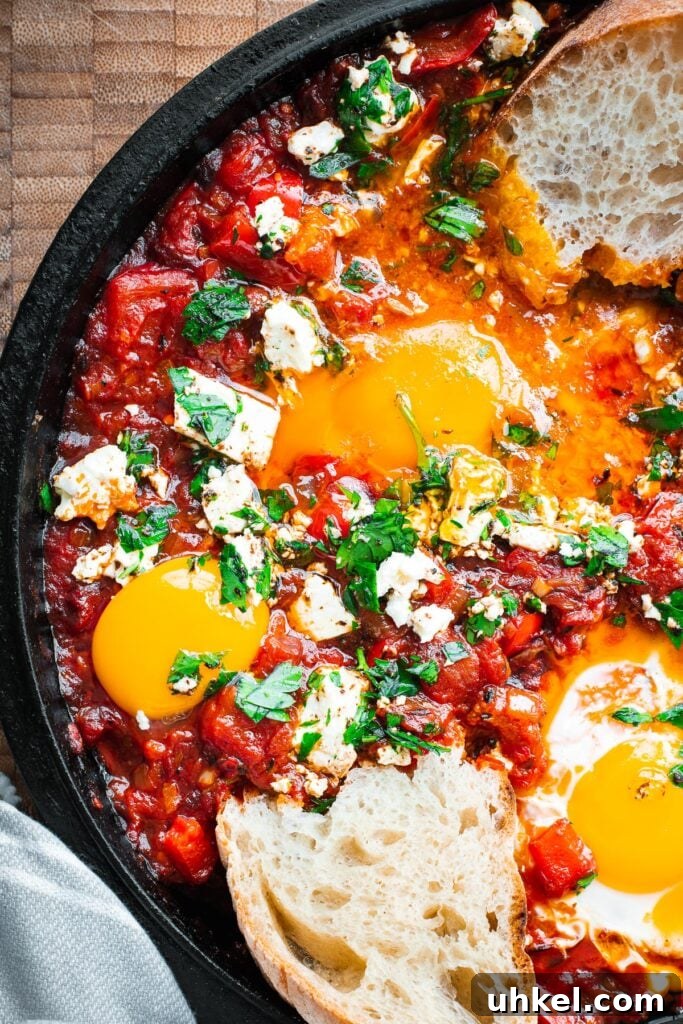
 Harissa shakshuka with feta
 -
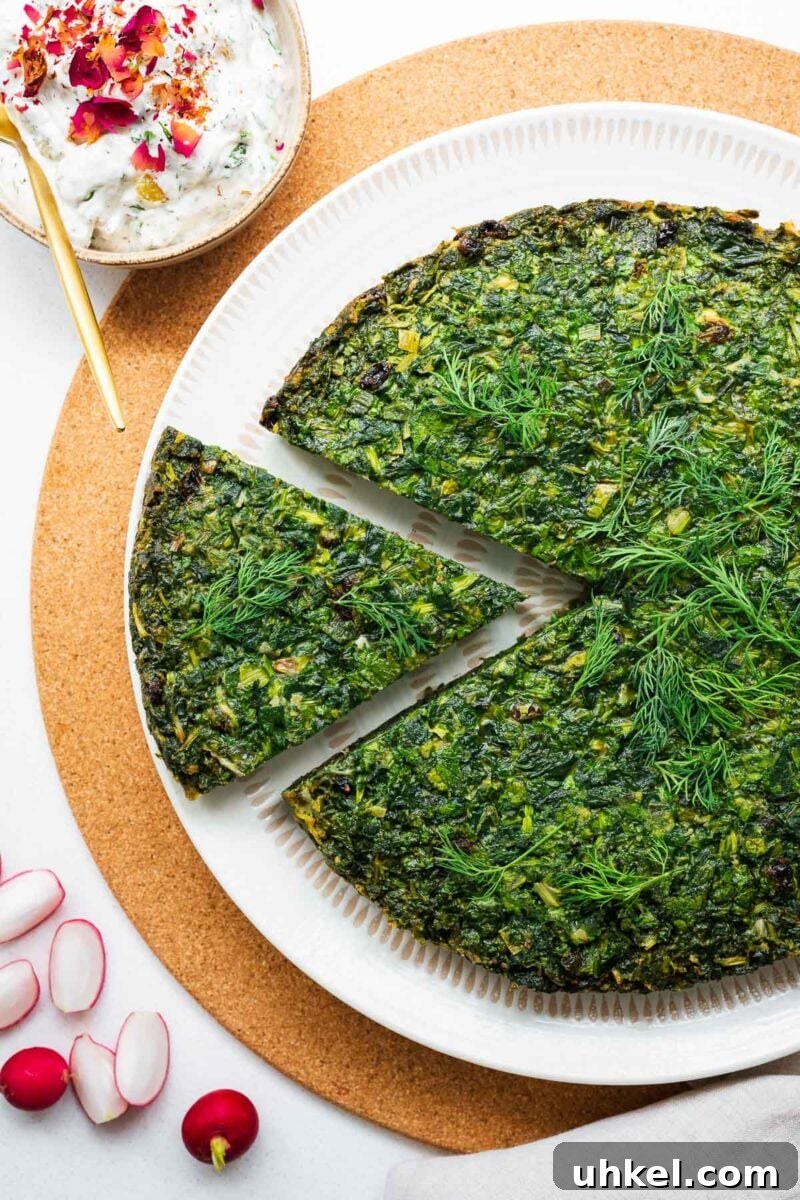
Kuku sabzi (Persian herb frittata)
-
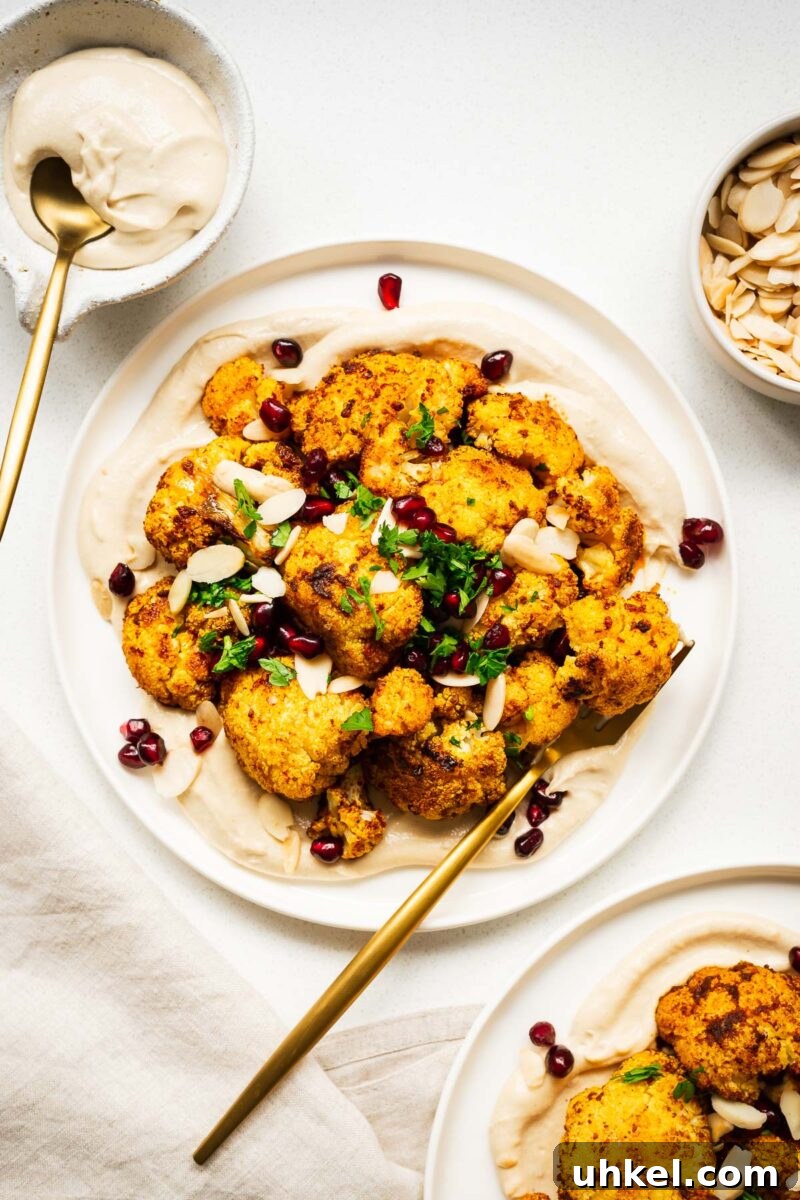
Roasted cauliflower with tahini sauce
-
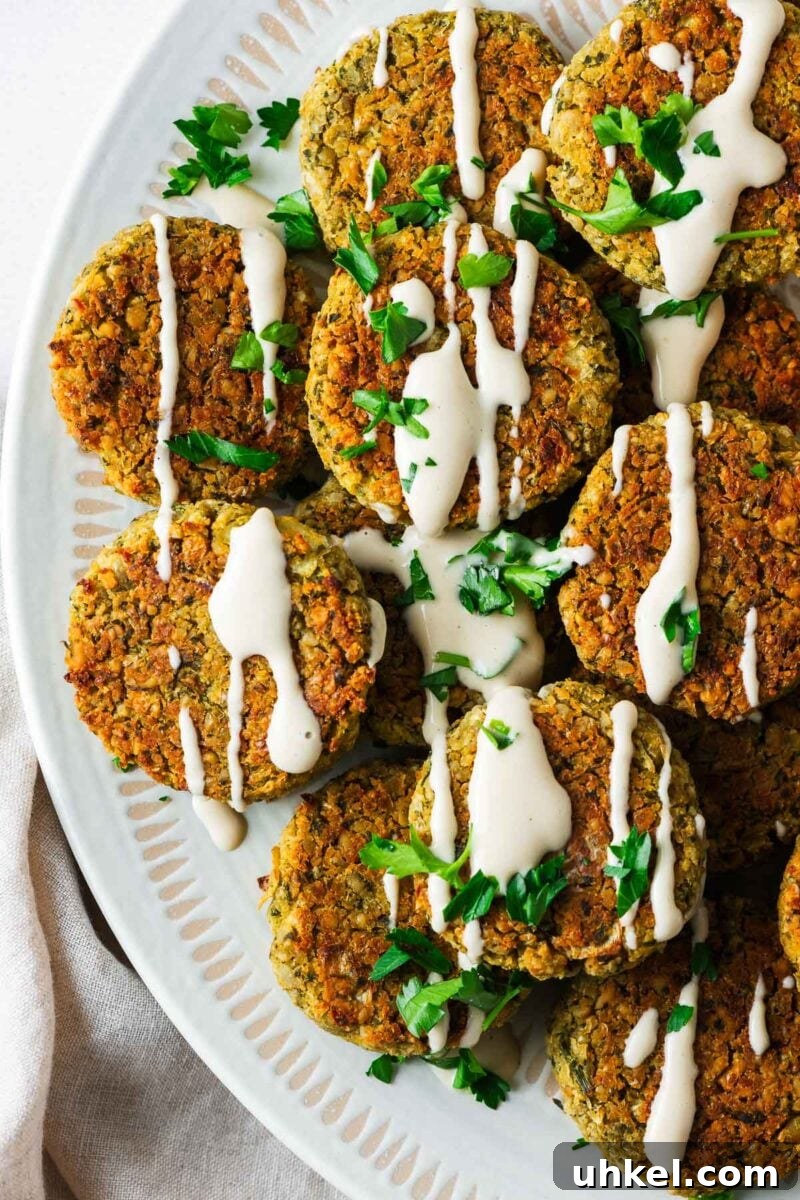
Baked falafel with canned chickpeas