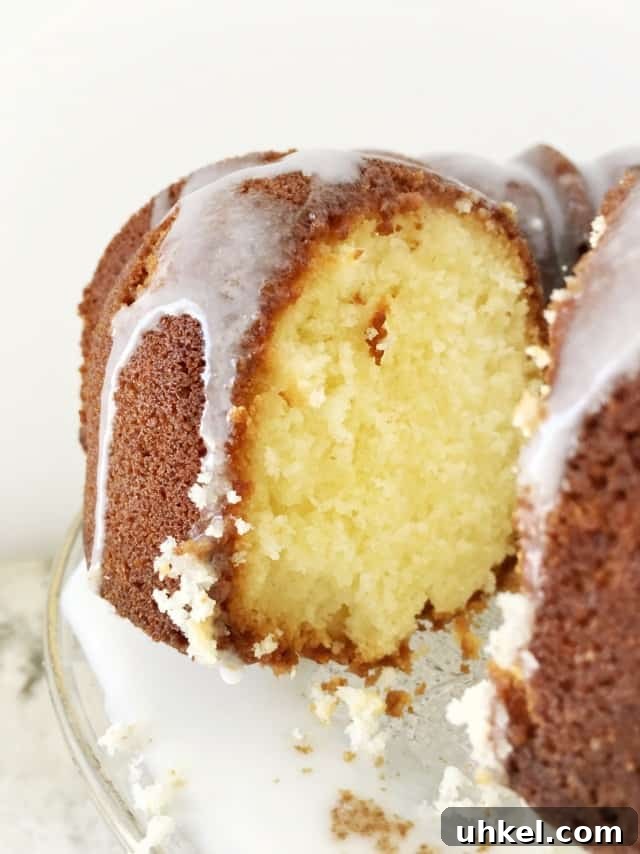
5 MINUTES to a PERFECT, TART & SWEET BEAUTIFUL SHINY Cake Glaze Recipe! The BEST icing for pound cake, cookies, or even as a fruit dip.
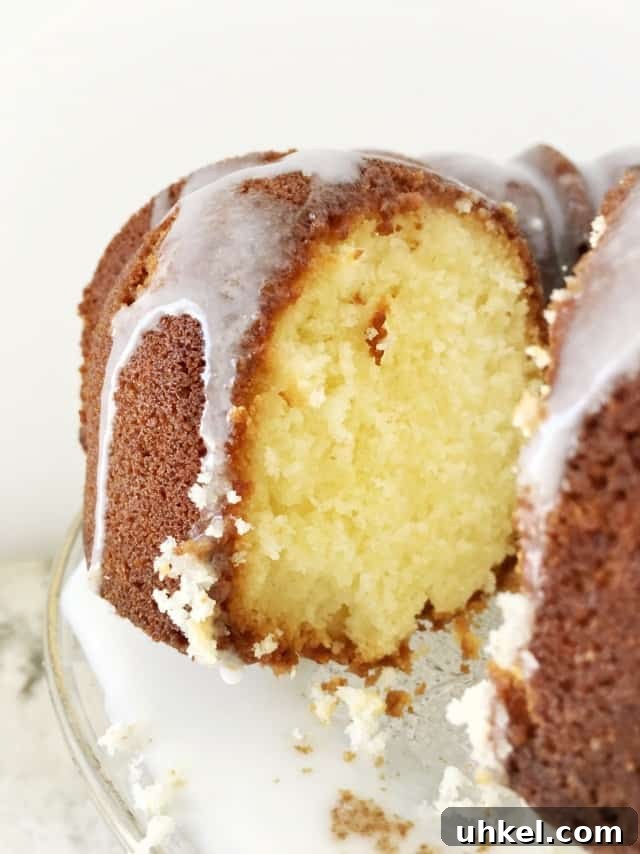
Why This Recipe Works
- Easy: Simple ingredients and one bowl mixing make this glaze accessible to any home baker.
- Fast: Ready in about five minutes — perfect when you need a quick finishing touch.
- Bright flavor: A small but purposeful addition of citrus zest and extracts gives a lively, tangy pop without overpowering the cake.
How to Make It
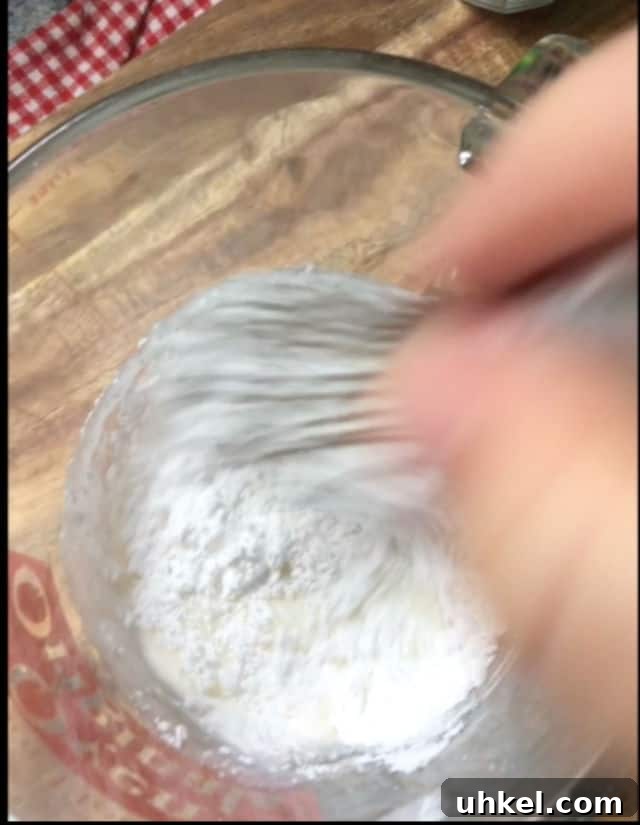
Step 1 — Mix Ingredients. Combine confectioners’ sugar, lemon juice, melted butter (or substitute buttermilk for extra tang), lemon and lime zest, vanilla and almond extracts, and a pinch of salt. Whisk until smooth. It may seem thick and hard to stir at first; continue whisking and it will loosen up and become glossy.
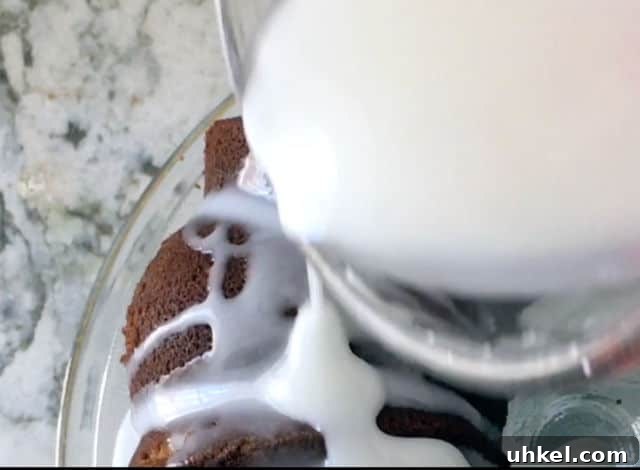
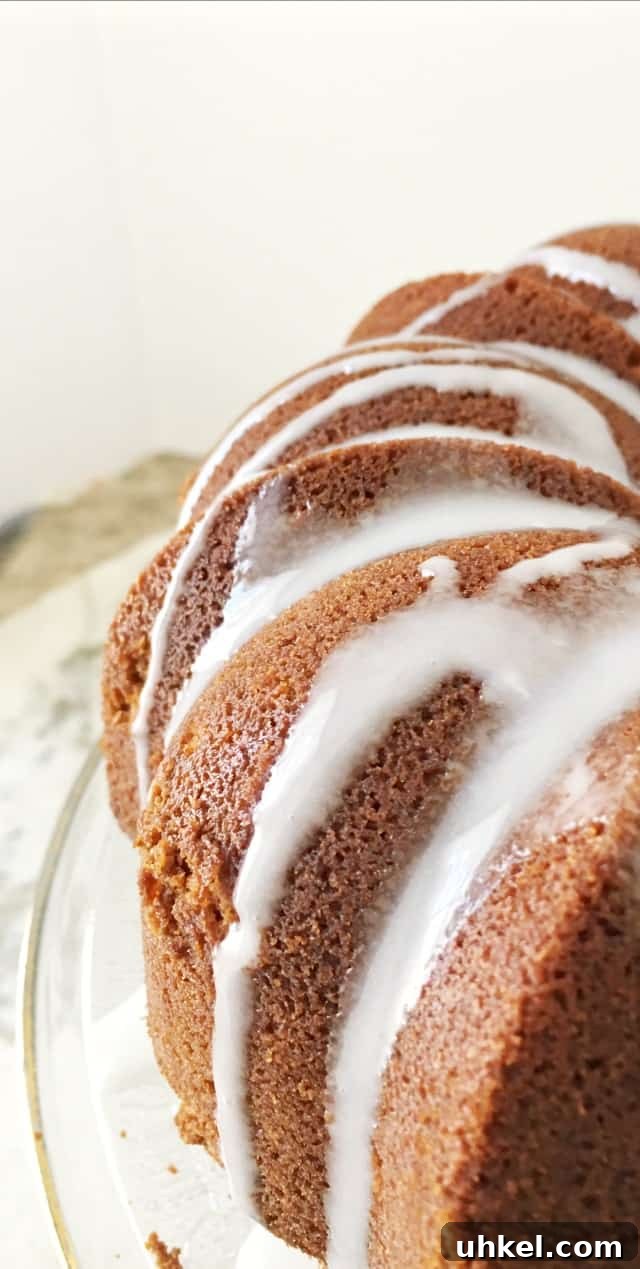
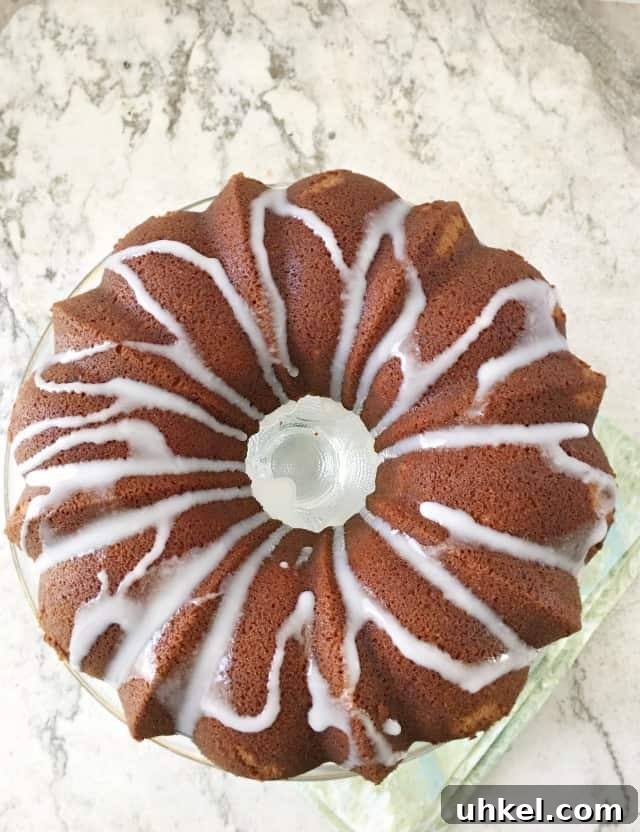
Step 2 — Pour Over Cake. Let the glaze rest a minute to thicken slightly, then pour over a cooled cake and allow it to drip down the sides. If the glaze is too thin, add more powdered sugar a tablespoon at a time until you reach the desired thickness. The glaze will firm up a bit as it cools but will stay soft and shiny.
Recipe: Cake Glaze
Mix confectioners’ sugar, fresh lemon juice, melted butter, lemon zest, lime zest, vanilla and almond extracts, and a pinch of salt until glossy and smooth. Pour over a fully cooled cake and let it set. For a tangier finish, swap melted butter for buttermilk.
What Pairs Well With This Glaze?
This glaze complements a wide range of desserts. It’s especially good on classic butter or pound cakes, lemon loaf, cream cheese pound cake, cookies, bundt cakes, and even plain sponge cakes. It also makes a lovely dip for fresh fruit or a drizzle for muffins and scones.
Frequently Asked Questions
How can I boost the lemon flavor?
Add more lemon zest rather than increasing the lemon juice. Zest provides concentrated citrus oil and brightness without thinning the glaze. A little extra lime or a touch of orange zest can also create a layered citrus flavor.
What if my glaze is too thin?
Gradually whisk in more powdered sugar until the consistency thickens. Remember the glaze will firm slightly after being poured, so stop when it’s just a touch thinner than you want the finished look to be.
What’s the difference between icing and glaze?
Icing tends to be thicker and spreadable; glaze is pourable and creates a thin, shiny coating. Glaze will set soft and glossy but won’t harden completely like some icings do.
How should I apply this to a warm or buttermilk cake?
Always pour glaze over a cake that has cooled to room temperature. If you pour over a hot cake the glaze will soak in unevenly. For added flavor on the cake base, poke small holes in the cake and spoon a little glaze into them before serving — it soaks in and keeps each slice moist.
Should glazed cakes be refrigerated?
Yes, if the filling or the cake itself requires refrigeration, cover the cake loosely with plastic wrap and chill. Avoid plastic touching the glazed surface to keep the shine intact.
How do I make a frosting-style glaze?
Gently warm a thicker frosting for a few seconds, whip until smooth, then spread and chill briefly. This method yields a soft, slightly set finish similar to a glaze but with more body.
Ingredients
- 2 cups confectioners’ sugar
- 1/4 cup fresh lemon juice
- 2 tablespoons melted butter (or substitute buttermilk)
- Zest of 1 lemon
- Zest of 1/2 lime
- 1 teaspoon vanilla extract
- 1/2 teaspoon almond extract
- Pinch of salt
Instructions
- Place the confectioners’ sugar in a large mixing bowl or liquid measuring cup.
- Add lemon juice, melted butter (or buttermilk), lemon and lime zest, vanilla and almond extracts, and a pinch of salt.
- Whisk vigorously until the mixture is smooth and glossy. If it seems stiff, keep stirring — it will loosen. If it’s too thin, add a tablespoon of powdered sugar at a time until you reach the desired consistency.
- Let the glaze rest a minute to thicken slightly. Pour over a completely cooled cake, allowing it to drip down the sides. Let the glaze set before slicing.
Tips & Tricks
- Mix the glaze and let it sit for a few minutes to thicken slightly before pouring.
- Ensure the cake is completely cooled for the best glazing result; a warm cake will cause the glaze to run off too quickly.
- For extra moisture and flavor in the cake base, poke small holes with a fork and pour a little glaze into them before serving.
- If the glaze feels difficult to mix at first, keep stirring — the texture will smooth out.
- For a stronger citrus profile, add more zest rather than more juice to avoid thinning.
- The pinch of salt brightens the overall flavor and balances the sweetness.
Pro tip: Try a little orange zest along with lemon and lime for a layered citrus profile. For a tangier glaze, use buttermilk instead of melted butter.
Notes
- Let the glaze thicken slightly before pouring for a nicer finish.
- Adjust consistency with more powdered sugar if needed.
- Store chilled if the cake requires refrigeration; avoid contact between plastic wrap and the glaze surface.
A Verse to Share
Today I’m thinking about an upcoming farewell in my life, and these verses have spoken to me as meaningful wishes of blessing and peace.
Numbers 6:24-26
The Lord bless you and keep you; the Lord make his face to shine upon you and be gracious to you; the Lord lift up his countenance upon you and give you peace.
3 John 1:2
Beloved, I pray that all may go well with you and that you may be in good health, as it goes well with your soul.
Galatians 5:22-23
But the fruit of the Spirit is love, joy, peace, patience, kindness, goodness, faithfulness, gentleness, self-control; against such things there is no law.