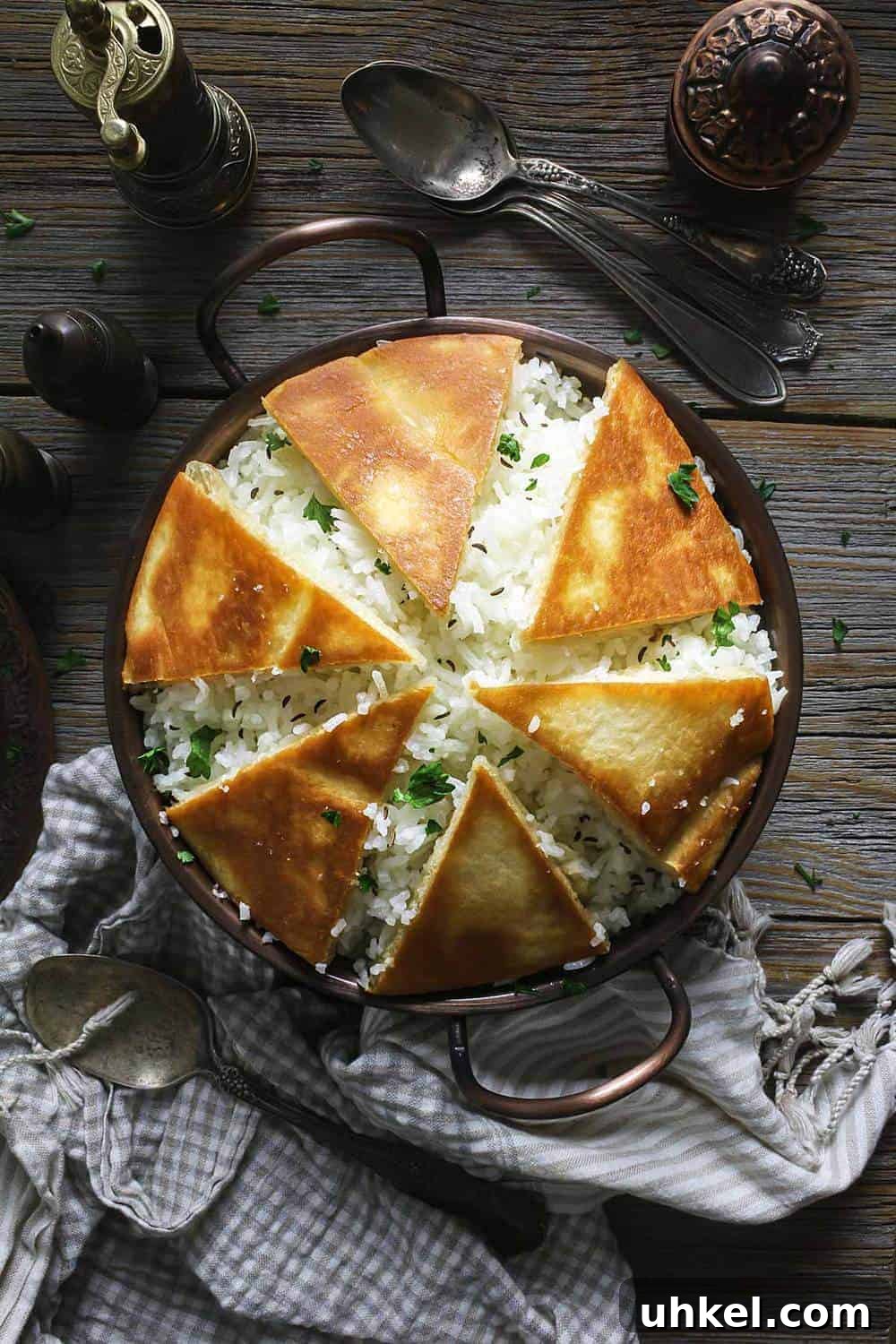
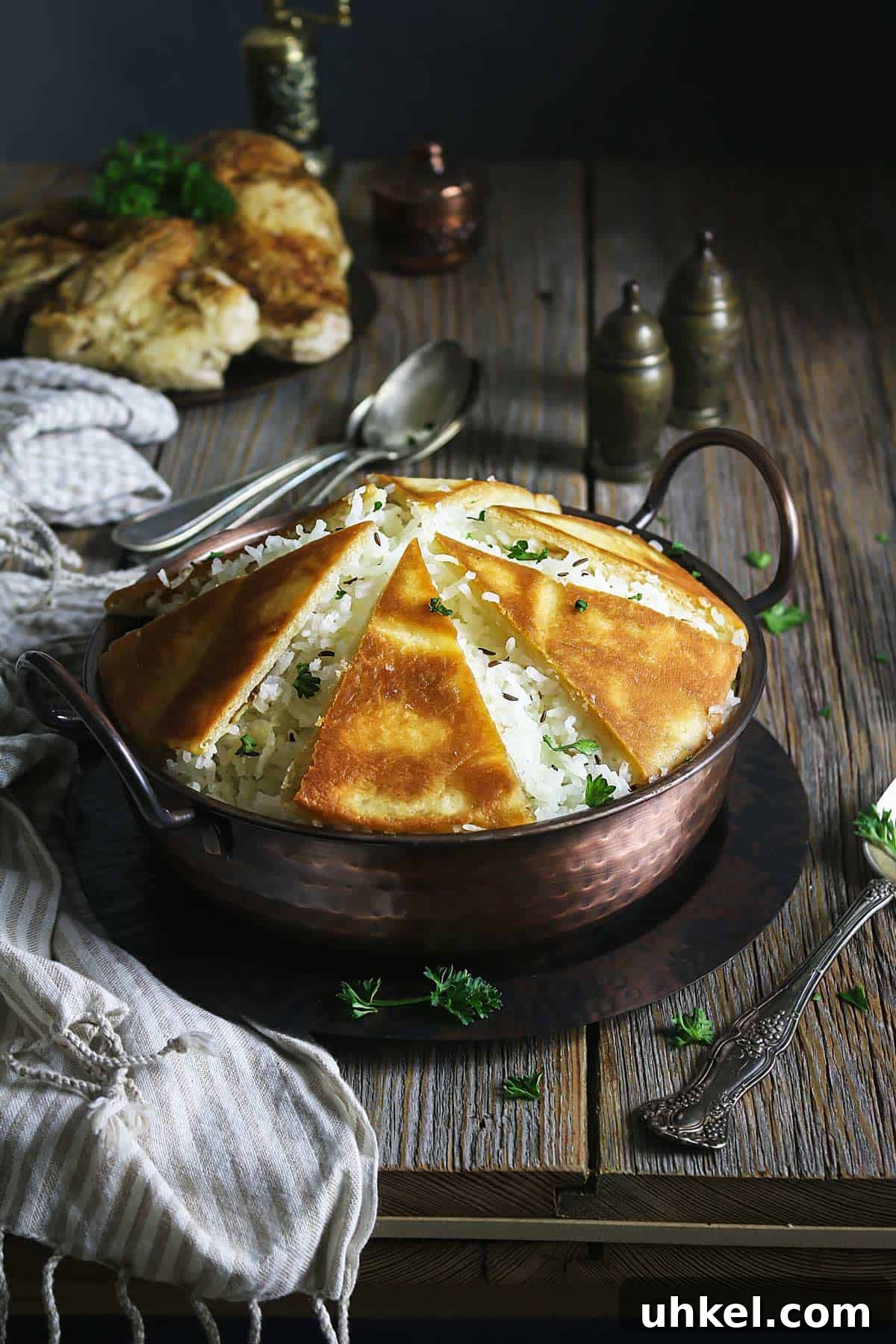
The specialty of Kurdish cuisine, Rice Tahdig, pairs fluffy, tender rice with a satisfying golden crust made from naan bread. This simple yet impressive side dish requires only a few ingredients and can be prepared easily using the step-by-step instructions below.
Rice appears in many global cuisines—steamed, boiled, or fried—and tahdig offers a delicious alternative to plain rice. Its crisp bottom contrasts beautifully with light grains, creating a memorable texture that complements stews, grilled meats, and roasted vegetables.
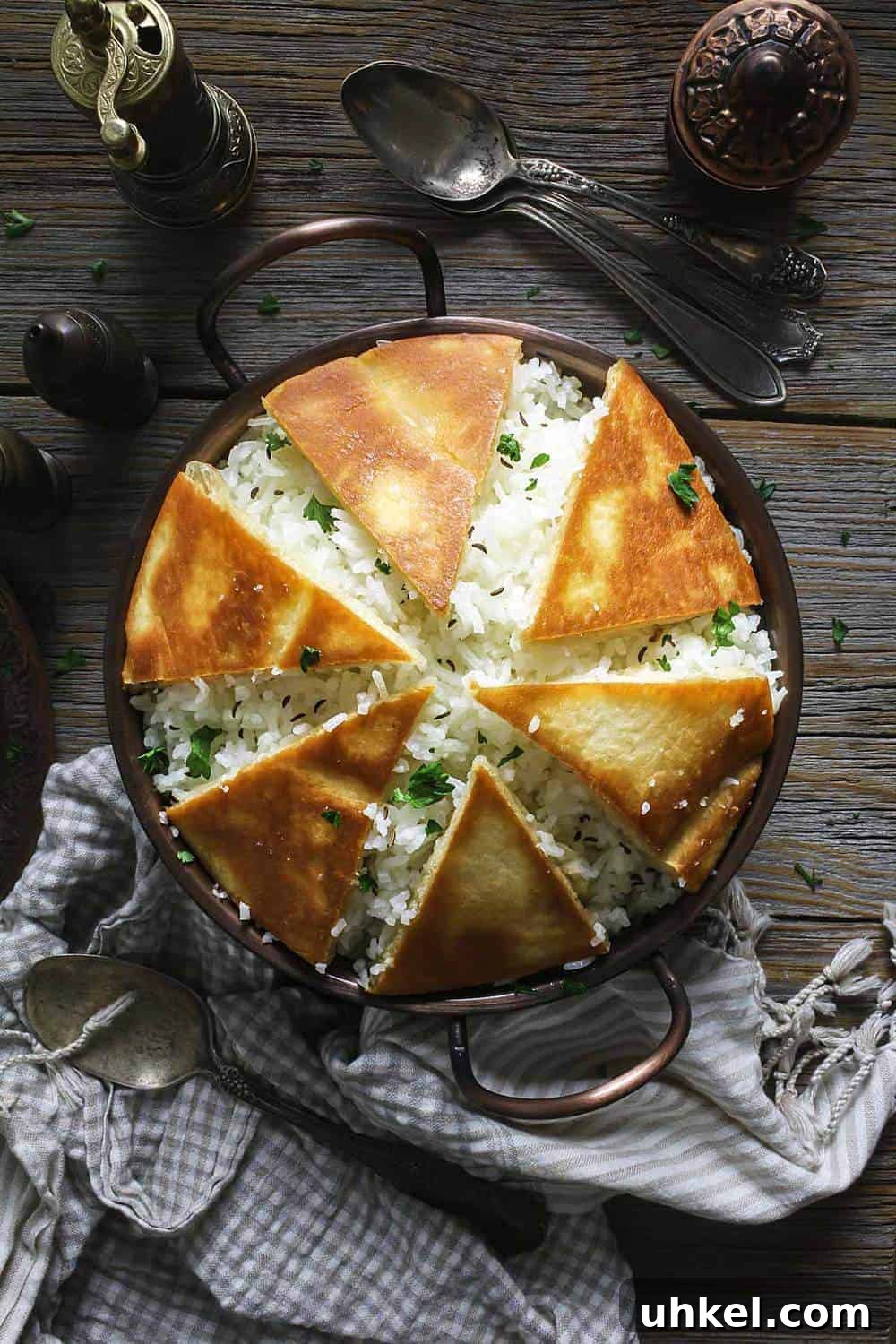
Kurdish cooking blends regional traditions, and rice tahdig is one of those classic dishes that highlights the cuisine’s love of contrasting textures and simple, bold flavors.
What is Tahdig?
In Persian, tahdig means “the bottom of the pot” (tah = bottom, dig = pot). Tahdig refers to the crunchy, golden layer formed at the base of the rice pot—often buttery, fragrant, and deeply satisfying.
Common tahdig variations include:
- Crisped, scorched rice.
- Bread—such as naan, lavash, tortillas, or even sliced toast.
- Thinly sliced potatoes.
- Vegetables or leafy greens layered beneath the rice.
Also known as pilaf or pilau tahdig, this preparation is an essential part of Persian and Kurdish tables and makes a beautiful side for special meals or everyday dinners.
📃 Why it Works
- Uses only a few pantry staples.
- Transforms plain rice into an exciting side dish.
- Simple to prepare with minimal technique.
- Looks elegant when served.
- The crispy naan crust is irresistibly crunchy.
- Easily customized with spices or different crusts.
- Pairs with a wide range of main dishes.
🛒 Ingredients and Notes
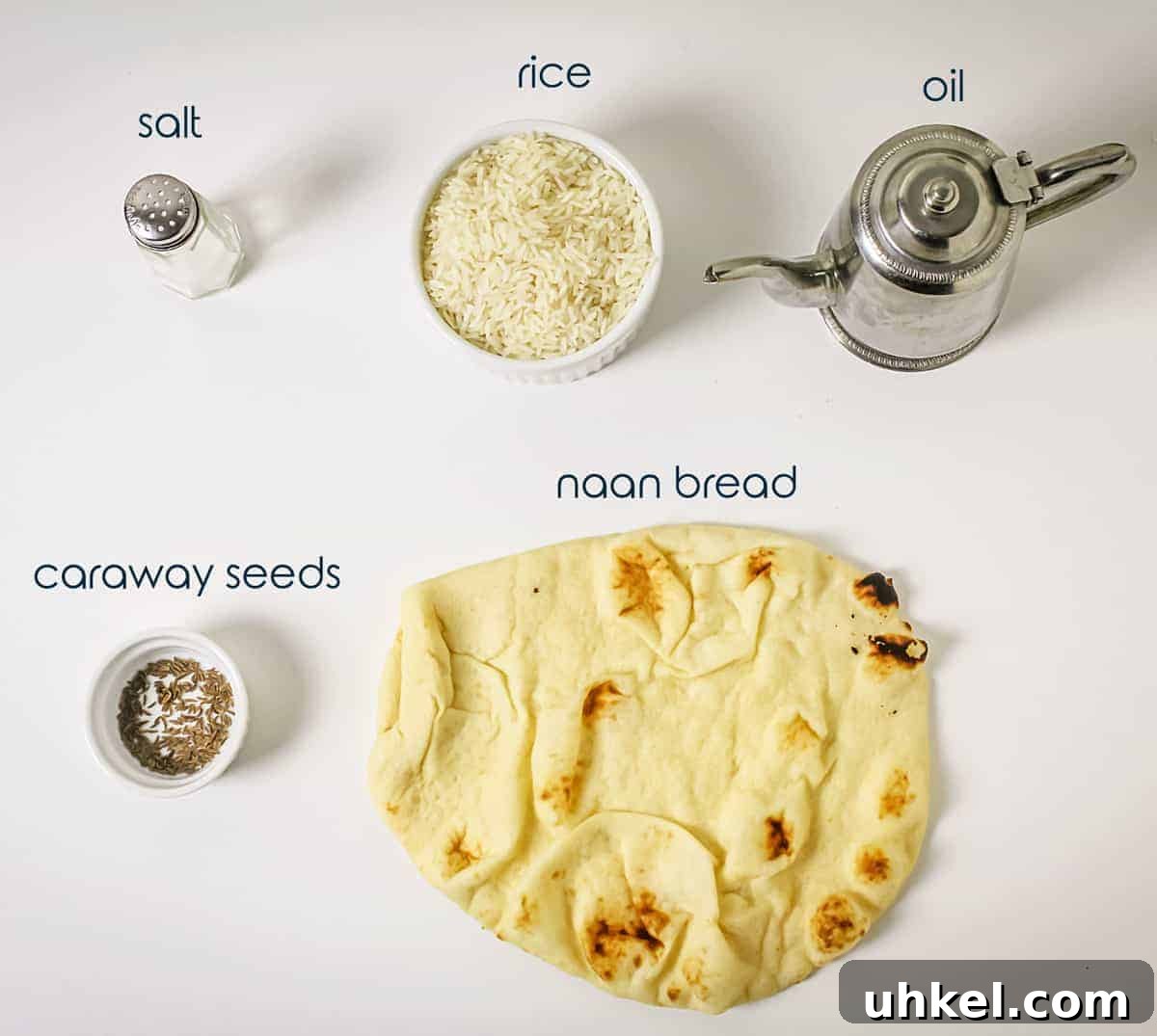
- Rice – Basmati is used here for its fragrance and long grains; Jasmine also works or you can blend them equally.
- Naan bread – Homemade or store-bought naan is ideal for texture. Lavash, tortillas, or even toast slices can substitute if needed.
- Oil – Neutral vegetable or canola oil for frying and creating the crust.
- Caraway seeds – Optional but recommended for a subtle, warm aroma; they brighten the rice without overpowering it.
🔪 Instructions
Step 1
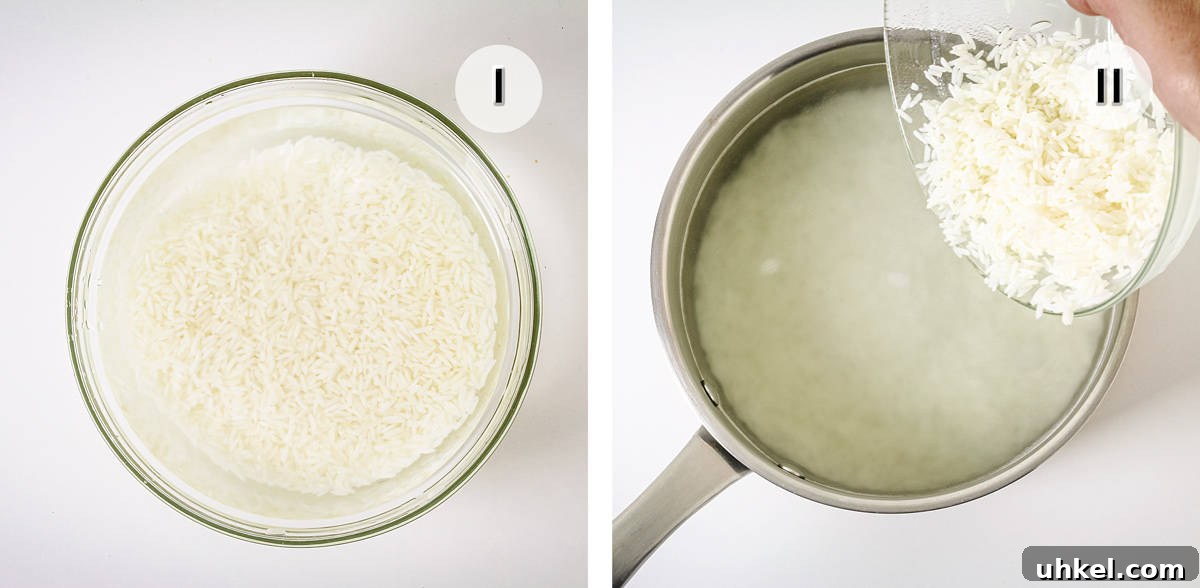
Rinse the Basmati under warm water until the water runs clear. Cover with cold water and let soak about 15 minutes, then drain.
Step 2
- Bring salted water to a boil in a medium saucepan. Add the rice and cook over medium heat for about 7 minutes—just until slightly tender but not fully cooked.
- Drain the rice and let it rest in a sieve for a few minutes. Stir in caraway seeds if using.
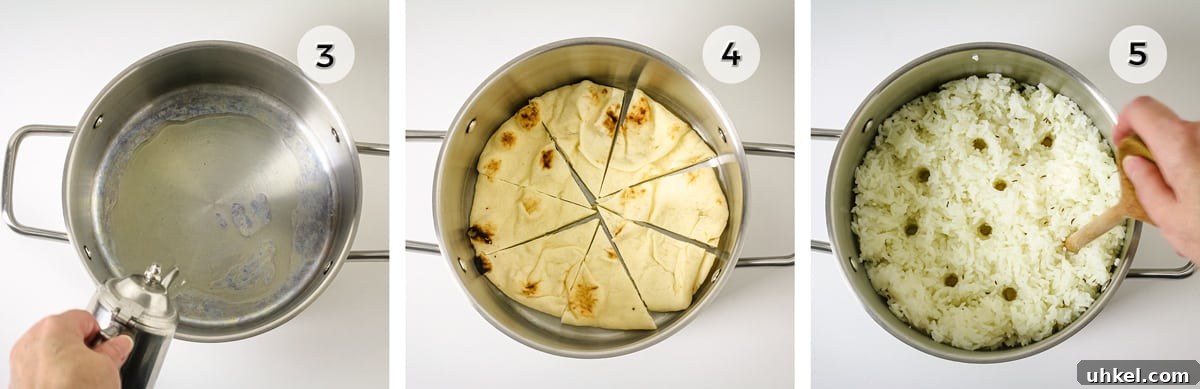
Step 3
Heat one tablespoon of oil in a large non-stick pan over medium heat.
Step 4
Remove the pan from heat and arrange naan bread pieces to fully cover the bottom.
Step 5
Gently spoon the par-boiled rice over the naan—do not press it down. Poke a few holes in the rice with the handle of a wooden spoon to allow steam to escape. Place a paper towel over the pan, then cover with a tight-fitting lid and cook on low heat for 5 minutes.
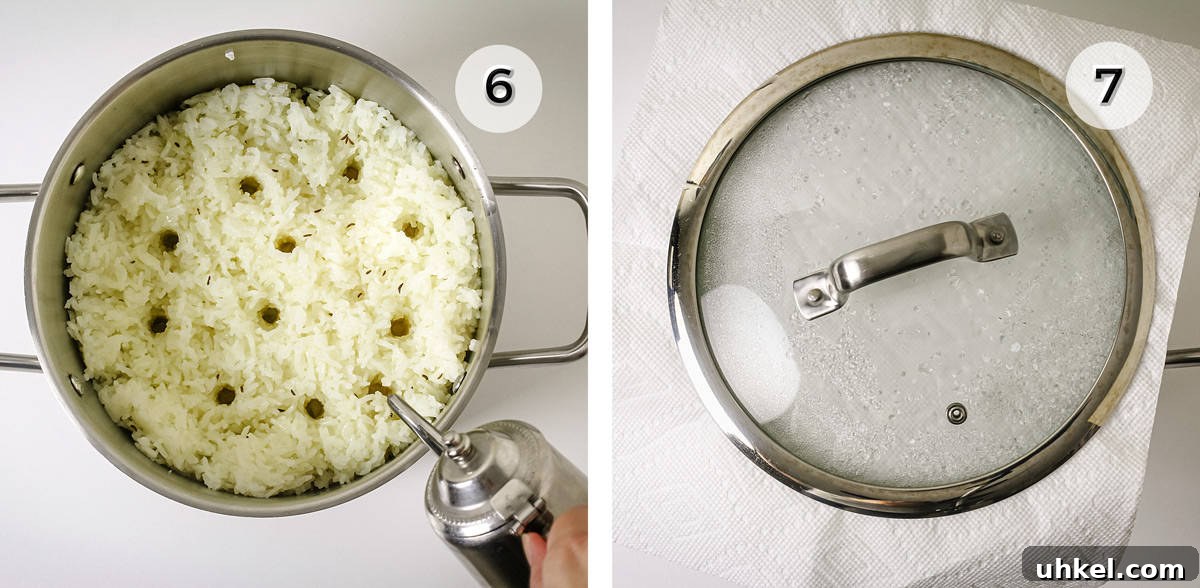
Step 6
While the rice steams, heat the remaining oil over high heat until it starts to smoke. Carefully pour the hot oil evenly over the rice and edges to help form the crust.
Step 7
Cover again with a paper towel beneath the lid and cook on the lowest setting for another 5 minutes so the crust can crisp without excess moisture.
- If using traditional Iranian rice, soak overnight for best texture; Basmati needs only about 15 minutes.
- Rinsing removes excess starch—don’t skip it.
- Par-boil the rice; it should be soft at the edge and slightly firm in the center when you stop the initial boil.
- Use a pan wide enough to hold the naan unbent, or tear the bread into pieces to fit.
- Spread oil to cover the entire pan bottom so the tahdig crisps evenly.
- A non-stick pan works best; Dutch ovens can trap too much moisture and prevent crisping.
- Placing a paper towel or kitchen towel under the lid absorbs steam and keeps the rice fluffy.
🍽 How To Serve It
Invert or spoon the rice tahdig onto a serving plate, arranging the crisped bread pieces on top or around the rice. The golden crust breaks into crunchy shards that contrast with the fluffy rice.
Serve tahdig with:
- Hearty stews – braised chicken or beef stews pair beautifully with the textural contrast.
- Grilled meats and roasts – lamb, chicken, or beef make excellent mains alongside tahdig. Roasted vegetables are another great match.
👉 Variations
- Add a pinch of saffron to the boiling water for fragrant, golden grains or sprinkle a little saffron powder over half the rice to create a two-toned presentation.
- Mix Persian advieh spice into the rice for aromatic depth.
- Swap lavash or tortillas for naan when desired.
- For a gluten-free option, replace the bread with thin potato slices to form a potato tahdig.
- Make a scorched-rice tahdig by letting the rice itself brown slightly on the bottom instead of using bread.
❓ Frequently Asked Questions
Do not stir rice while it cooks. Stirring breaks the grains and can make the rice sticky and mushy.
Tahdig is best served fresh. Stored airtight in the refrigerator it keeps up to three days; the crisp bread will soften but remains tasty.
-
Mixed Vegetable Rice (Djuvec)
-
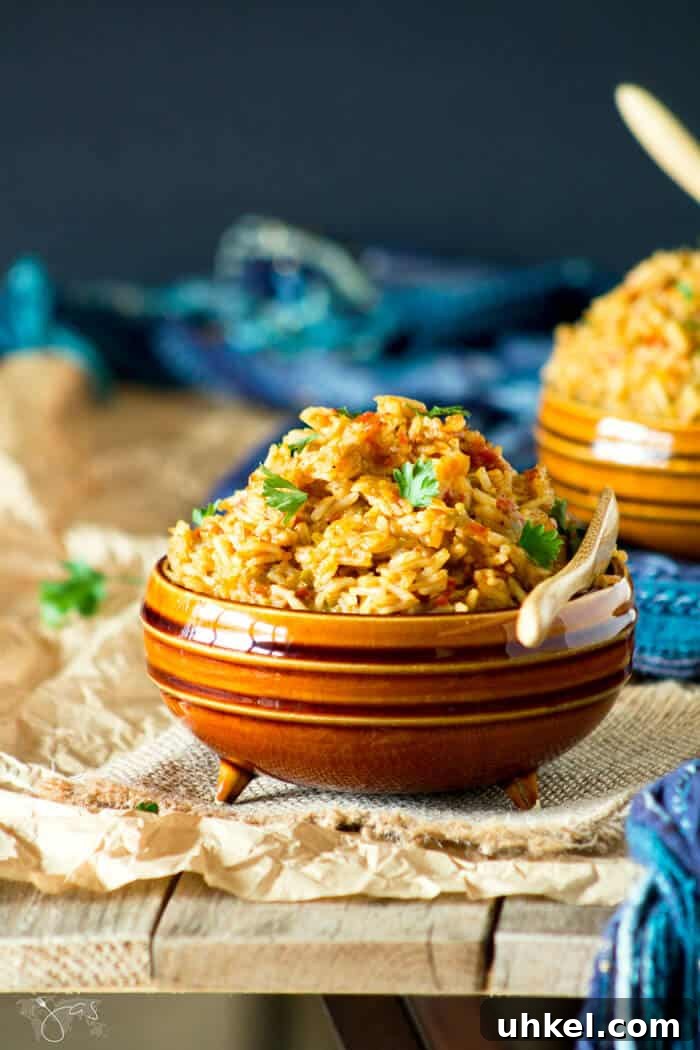
Nigerian Jollof Rice
-
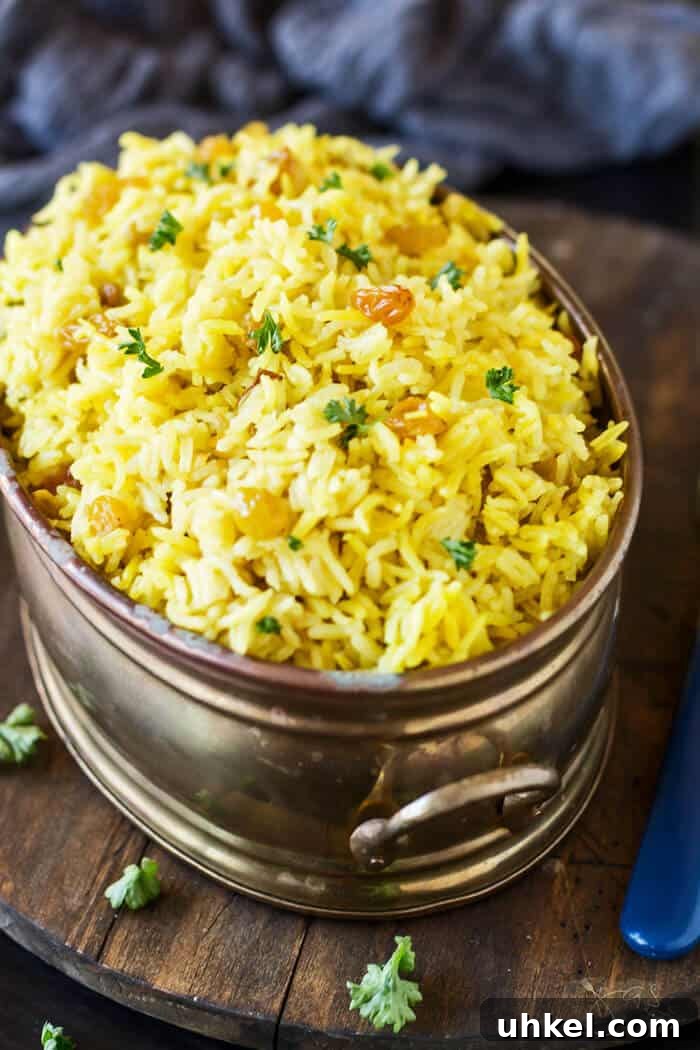
Sultana Yellow Rice with Turmeric & Curry
-
Neapolitan Sausage Meatballs and Rice Timbale


Liked this recipe? Leave a rating or review in the comments—feedback is appreciated. Follow the author on social platforms for more recipes and tips.

Rice Tahdig With Naan Bread Crust
Pin Recipe
Print Recipe
EQUIPMENT
-
Sieve
-
Saucepan
-
Non-stick pan
-
Paper towels
Ingredients
- 1 cup Basmati rice
- 1 naan bread, sliced into wedges or broken into bite-size pieces
- ¼ cup oil
- ¼ teaspoon caraway seeds, optional
- 3 teaspoons salt
- 4 cups water
Instructions
-
Rinse Basmati with warm water until it runs nearly clear. Cover with cold water and soak about 15 minutes; drain.
-
Bring water and salt to a boil in a medium saucepan. Add rice and cook about 7 minutes over medium heat. Drain and let rest; mix in caraway seeds if using.
-
Heat 1 tablespoon oil in a large non-stick pan. Remove from heat and arrange naan pieces to cover the bottom. Gently spoon the cooked rice over the bread. Poke holes in the rice with a wooden spoon handle. Cover with a paper towel and lid and cook on low for 5 minutes.
-
Heat the remaining oil until it smokes, then pour it slowly over the rice to help form the crust. Cover with a paper towel and lid and cook on the lowest setting about 5 more minutes.
-
To serve, spoon the rice onto a platter and arrange the crispy bread pieces on top or around the rice.
Notes
- If using Iranian rice, soak overnight for best results; Basmati requires a much shorter soak.
- Rinsing removes excess starch and helps keep the grains separate.
- Par-boil rather than fully cook the rice in the first step; it will finish steaming in the pan.
- Use a wide pan so the naan lays flat; tearing the bread into pieces is an acceptable alternative.
- Even oil coverage ensures an evenly crisp tahdig.
- A non-stick pan is recommended to prevent sticking and encourage an even crust.
- Paper towels or a kitchen towel under the lid absorb moisture and help maintain fluffy rice.
Nutrition
|
Carbohydrates: 51g
|
Protein: 5g
Update Notes: This recipe was originally published in October 2015 and updated in November 2020 with new photos and tips.