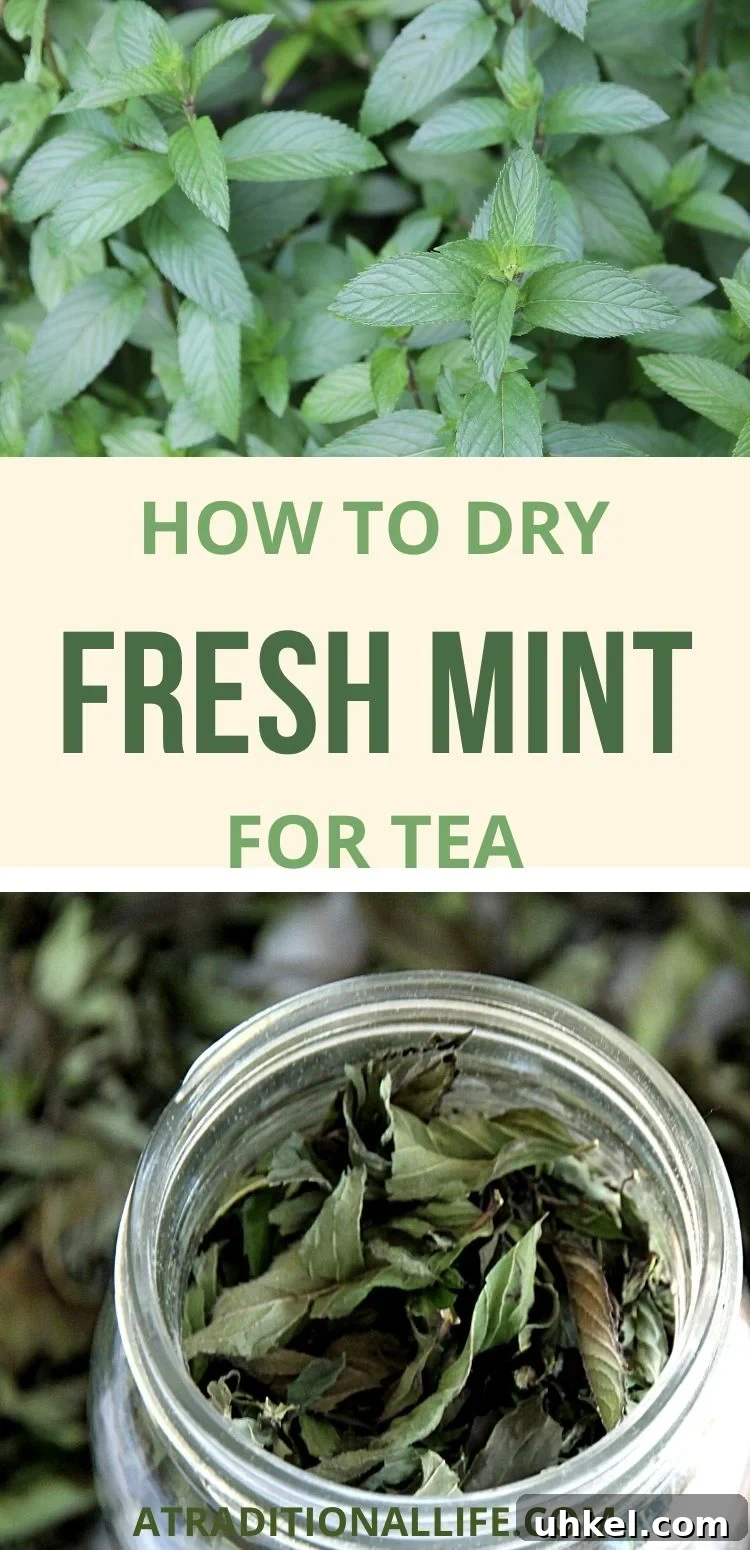
Mint has always been one of my favorite perennial herbs. As a child, my mother kept a patch just off the kitchen porch; I would often pause to smell it or chew a leaf. Mint tea was my go-to during cold months, and even then I dreamed of having lots of mint around when I grew up.
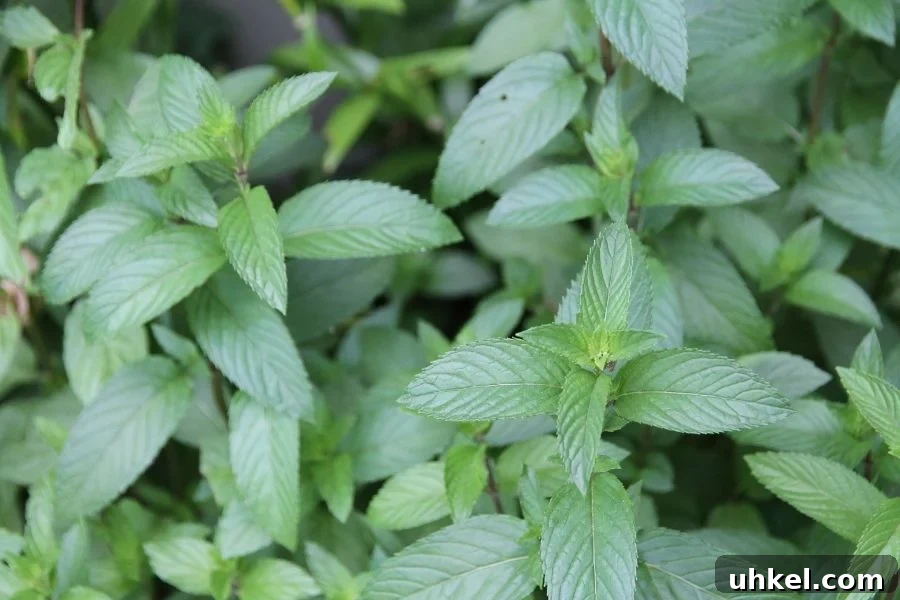
True to that childhood plan, mint was one of the first perennials I planted beside the Mountain Cottage. I started with four small starts from a friend’s garden, and within two years a 2×10 ft bed was filled with mint (and a few lilies). I love how quickly it spreads, and that abundance has been a joy to share.
How to Grow and Dry Mint Leaves
If you’d like to grow mint for tea, the process is straightforward. Below are practical tips for planting, harvesting, drying, and storing mint so you can enjoy fresh or dried leaves year-round.
Tips for Growing Your Own Mint
There are many mint varieties to choose from—peppermint, spearmint, chocolate mint, and more. Instead of growing from seed, I recommend getting plant starts from a nursery or a gardening friend. A few starts will quickly fill a bed, and because mint spreads aggressively, it’s wise to contain it in a planter or a dedicated bed to prevent it from overtaking other plants.
Mint tolerates a range of conditions. It prefers full sun but will grow in partial shade. Soil quality is not critical—mint often thrives in well-drained, drier, sandier soils that many other plants might not love. Water sparingly; in cooler climates the plants may only need moisture a few times a month.
Best Harvesting Practices for Mint
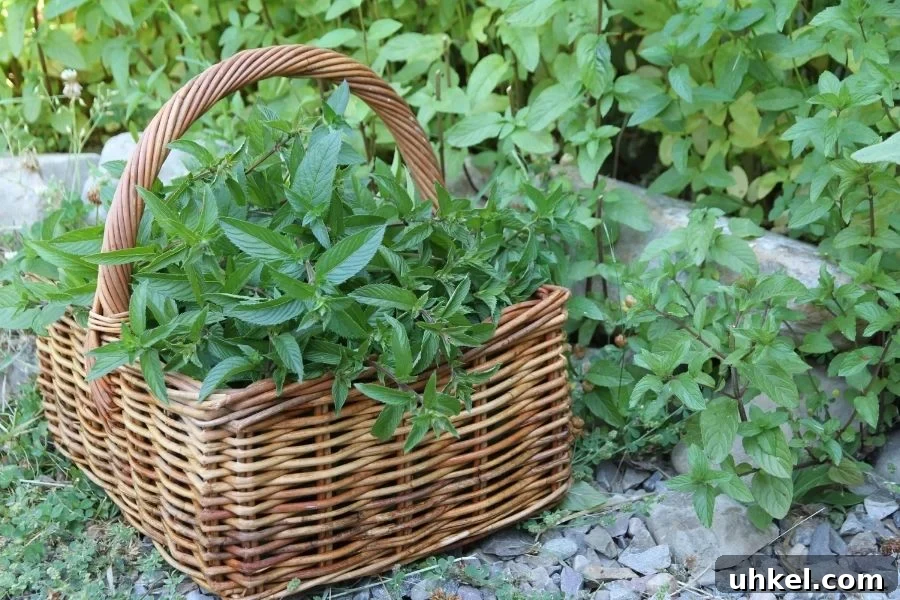
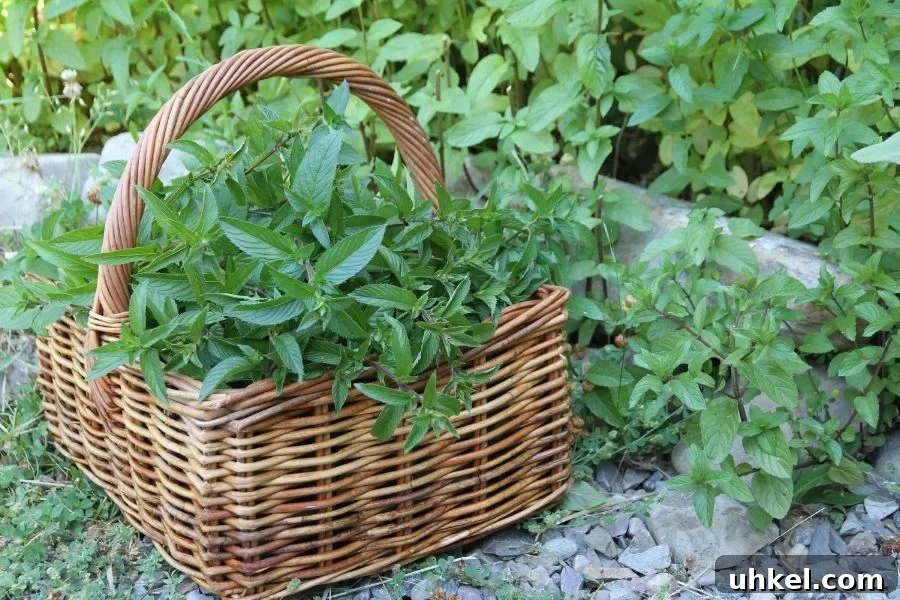
Mint is forgiving when it comes to harvesting, but for the best appearance and flavor wait until plants reach roughly 12 inches tall. To capture the leaves at their most flavorful, harvest after the morning dew has evaporated. I use scissors and a basket—practical and charming.
How much to cut back is flexible. If you want to be precise, trim just above where leaves start to thin on the main stem. If you’re short on time, a quick handful and a few snips work perfectly. Wherever you cut, the plant will typically send up two or three new shoots, making it bushier and more productive.
Preparing Your Mint for Dehydration
After harvesting, remove the leaves from the main stems unless you plan to hang-dry full stalks. A quick and efficient method is to pinch off the tender tip and then pull the stalk through pinched forefinger and thumb from tip to base; this strips the leaves cleanly and faster than plucking them one by one. Once the leaves are stripped, they’re ready to dry.
3 Methods for Dehydrating Your Mint Leaves
You don’t need fancy equipment to dry mint. Below are three reliable methods—air drying, solar drying, and electric drying. Choose the one that fits your resources and climate.
Method 1: Air Drying Options
Air drying works well if you have good airflow and a warm, dry space. Tie small bundles of stems and hang them upside down on hooks, a pantry wall, or near a wood stove. If you’re drying loose leaves, spread them thinly on a cloth or cooling rack in a dry, low-humidity area. Air drying can take up to two weeks, so patience is important.
Method 2: Use Solar Energy
Solar drying is fast and energy-efficient on hot, sunny days. For direct sun, lay a clean sheet or cloth across a flat surface such as a deck or driveway, spread the leaves thinly, and cover with another sheet to keep out insects and wind. Check frequently; leaves can dry in a matter of hours depending on heat and sunlight.
An easy alternative is placing leaves on a cloth inside a hot car; the enclosed sun-trapped space dries herbs quickly and leaves a pleasant scent. If you have access to a solar dehydrator, it will speed the process significantly. I’ve used one built for me, and it dries herbs wonderfully.
Method 3: Electric Heat
An electric dehydrator or an oven on the lowest temperature setting also dries mint reliably. Follow your dehydrator’s manual for herb settings and drying times. In the oven, spread leaves in a single layer on parchment paper or a baking sheet and check every 20–25 minutes until the leaves are crisp. Record how long it takes so you can repeat the timing in future batches.
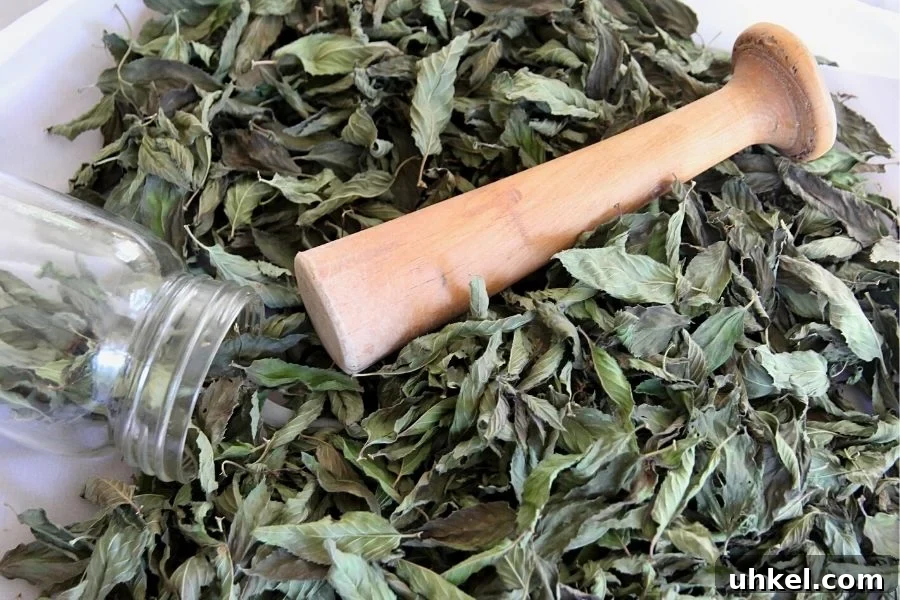
Test Your Leaves for Dryness
Before storing dried mint, ensure the leaves are completely dry to prevent mold. Properly dried leaves are crispy and make a crunchy sound when scrunched. They should rub into small flakes between your fingers. If they’re still pliable or don’t break cleanly, allow more drying time before sealing them in containers.
How to Store Your Mint Leaves
Store fully dried mint in airtight containers—glass jars with tight lids are ideal. Keep jars in a dark, cool place away from direct light, which can degrade flavor. If you have more dried mint than you’ll use within a year, consider freezing the excess in moisture-proof containers; frozen dried herbs retain their flavor longer than those left on a pantry shelf.
Using Mint Leaves for Tea
Mint makes a soothing hot tea and can help relieve congestion. To brew, steep 2 tablespoons of dried mint in 3–4 cups of hot water for 2–3 minutes, then strain and sweeten with honey if desired. Enjoy your homemade mint tea from a garden-to-cup process.