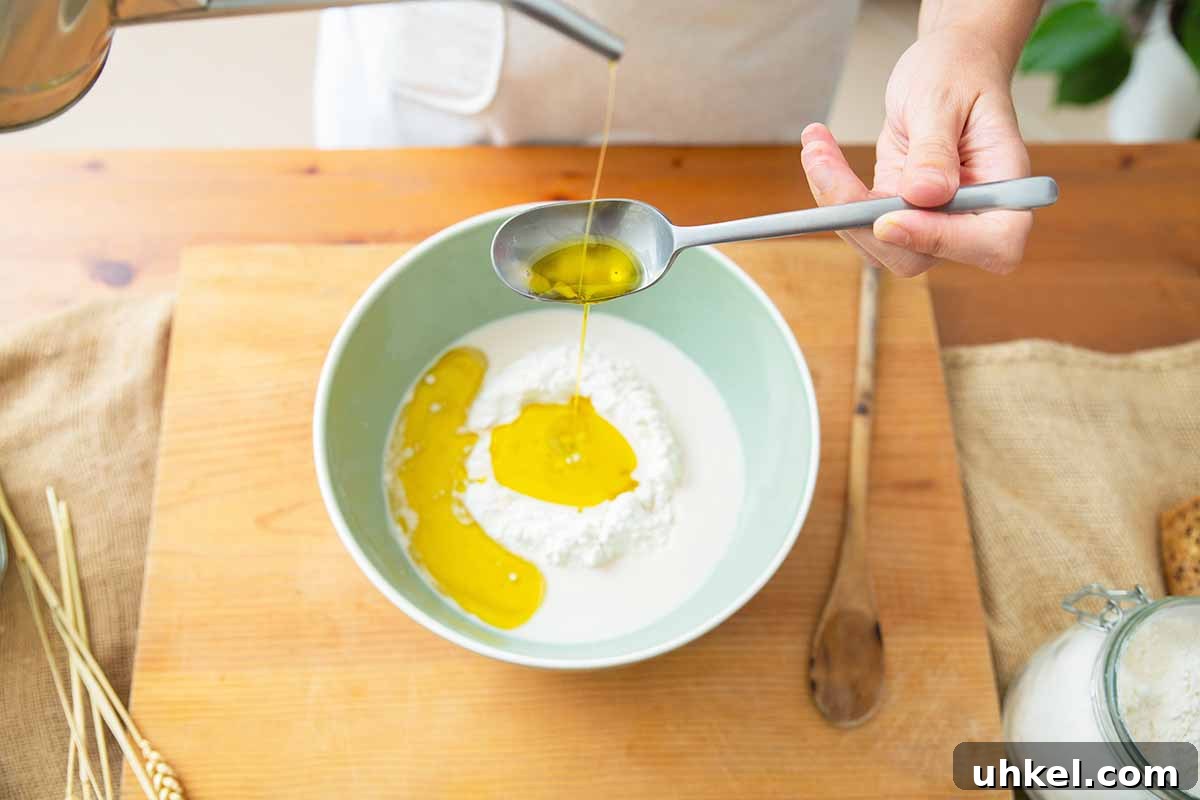
We’ve all been there: guests are on their way, you’re almost finished baking, and you discover you’re out of a key ingredient.
The other day I was making brownies. I had flour and eggs in the bowl when I realized there wasn’t any oil in the house.
The store was nearby, but it was pouring. Then I remembered my neighbor mentioning she sometimes uses unsweetened applesauce in place of butter when baking for heart-healthy reasons.

Why not try it in my brownies?
I keep a jar of smooth, unsweetened applesauce on hand, so I used it cup-for-cup instead of oil.
After dinner I watched and waited. The verdict?
No one at the table noticed anything odd—these brownies were a hit, even though they were made with applesauce.
That success inspired me to test other oil substitutions. Below are the practical, tasty options I found.
Here’s what this article covers:
What You’ll Learn
- Oil 101
- Handy Substitutions
- Get Creative
- Waste Not, Want Not
I’ll meet you in the kitchen!
Oil 101
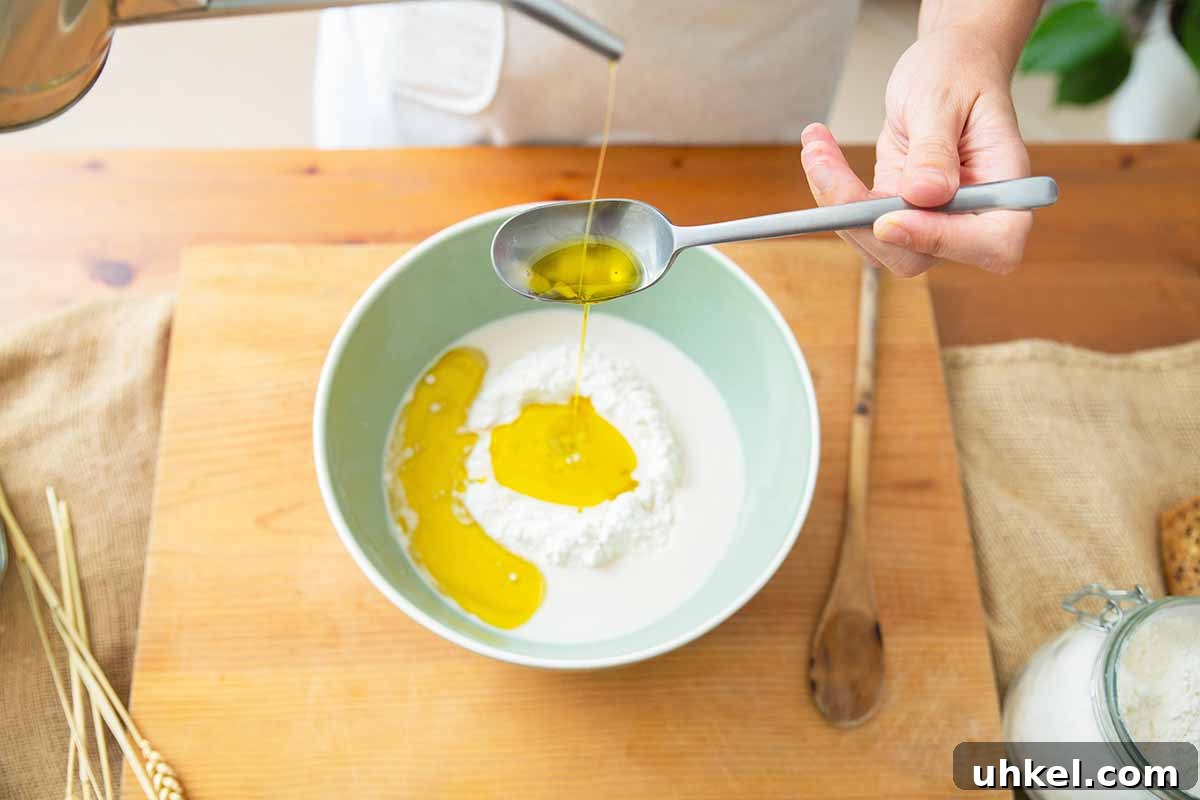
Why do many baked goods call for vegetable oil? In short: to keep them moist and tender.
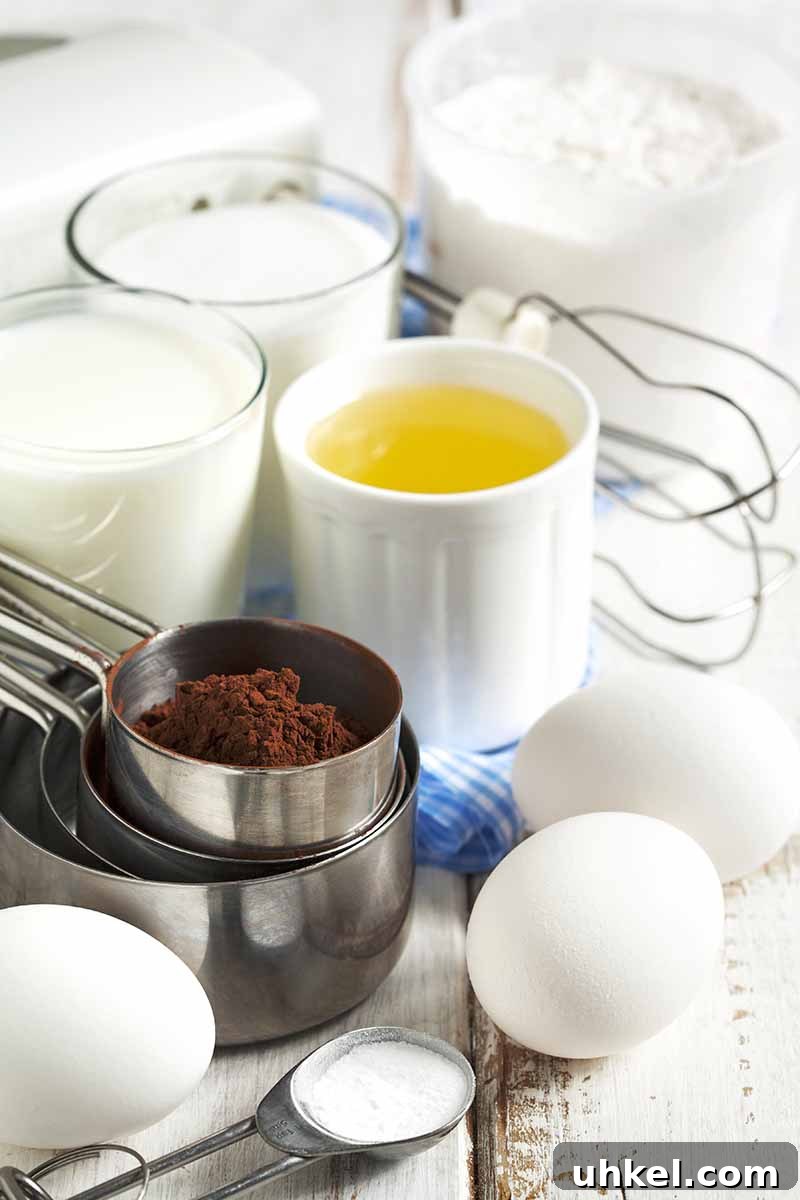
Oil, a plant-based fat, coats dry ingredients and traps gas released by baking powder and baking soda. That prevents excess gluten formation and helps produce light, fluffy results.
Baked goods that rely on oil—brownies, cakes, muffins—work best with mild, light-tasting oils such as canola, corn, soybean, and sunflower. These varieties are typically affordable and neutral in flavor. Coconut oil is also suitable for baking but adds a sweet, coconut note and is more costly. Solid plant fats like margarine and shortening are alternatives, while animal fats such as butter, ghee, and lard also provide desirable texture but contain cholesterol.
Heavier, more flavorful oils—avocado, flaxseed, olive, peanut, sesame, and walnut—are often reserved for dressings or specific recipes. For frying, choose high-smoke-point oils like canola, corn, safflower, peanut, grapeseed, and soybean to withstand higher heat without smoking.
One tidbit: oil and vinegar don’t naturally mix. Without an emulsifier—like mustard, mayonnaise, or garlic—an oil-and-vinegar blend will separate.
Handy Substitutions
Back to rescuing your recipe—here are reliable cup-for-cup swaps for vegetable oil in baked goods.
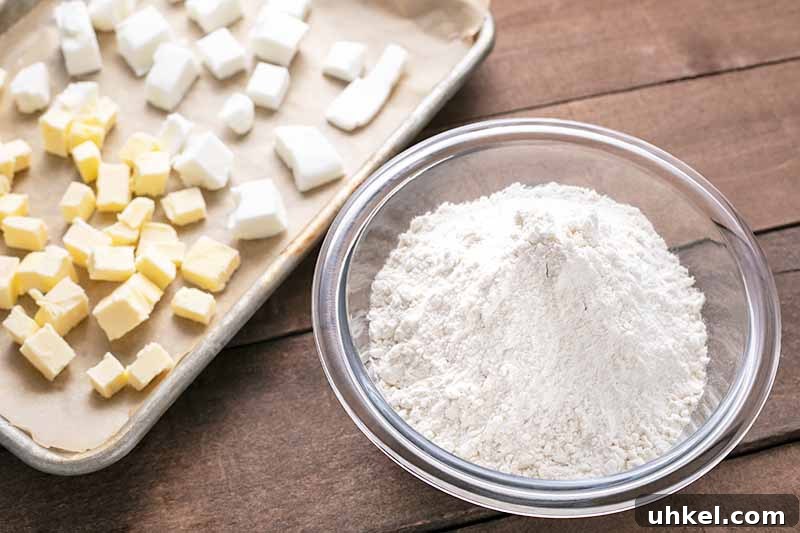
You can substitute the following cup-for-cup for vegetable oil in most baked goods:
- Applesauce, preferably unsweetened
- Avocado, unseasoned and mashed
- Ripe mashed banana
- Unsalted butter, melted
- Cooked and pureed cauliflower (unseasoned)
- Ghee
- Margarine, melted
- Mayonnaise
- Cooked and pureed pumpkin (unseasoned)
- Sour cream
- Cooked and pureed sweet potato (unseasoned)
- Vegetable shortening
- Plain yogurt
- Cooked and pureed zucchini (unseasoned)
One surprising but excellent option for chocolate baked goods is cooked and pureed beets. They work especially well where the deeper color won’t be noticeable; prepare roasted beets until tender, then puree until smooth.
Most of these swaps succeed because they provide fat, pectin, or both—ingredients that help inhibit gluten formation and add moisture and structure.
Get Creative
When choosing a substitute, pick a mild-flavored option that contributes moisture. Look to what you already have prepared in the fridge or freezer.
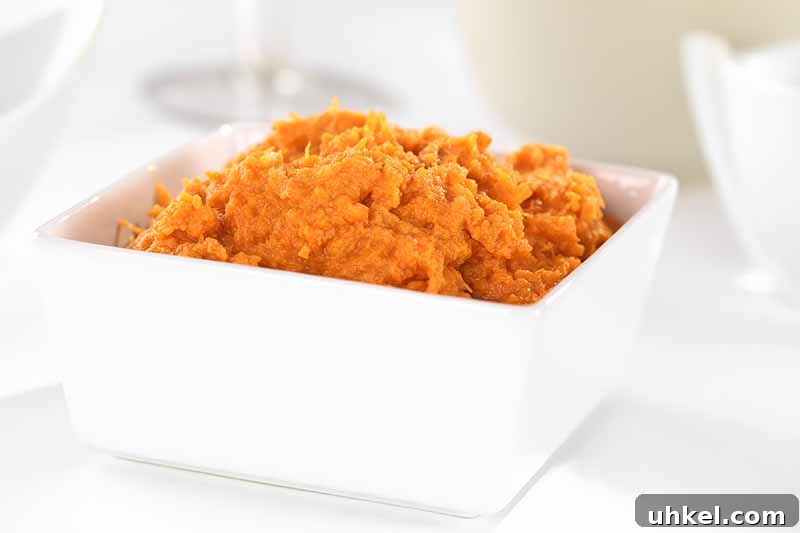
Leftover plain baked sweet potatoes, cooked cauliflower florets, or overripe fruit are excellent candidates. That half stick of butter or an avocado you’ve been avoiding can save the day.
Experiment—there’s little to lose. You could salvage a recipe and discover a new favorite variation while discreetly boosting nutrition.
Waste Not, Want Not
If you have a partial amount of oil left, combine it with another substitute to reach the recipe’s required quantity. Keeping a small emergency stash—frozen overripe bananas, cooked vegetables, or purees—makes last-minute substitutions easy.

I freeze ripe bananas in airtight containers for precisely this reason. Cooked vegetables also freeze well and can act as baking fixes, gravy thickeners, or hearty additions to rice.
Disclose and Experiment
One final note: if guests have food allergies or dietary restrictions, always disclose any substitutions. A seemingly harmless swap, like adding mashed peaches or using mayonnaise, could trigger an allergic reaction for someone sensitive to that ingredient.
Over time, adjusting recipes to meet dietary needs or stretch ingredients becomes second nature. When you have time, experiment with different substitutes to find combinations you love.
Try different swaps and share what worked for you. Readers often have creative ideas that are worth trying.
If this guide helped you and you want more tips on modifying recipes, explore other articles on baking, substitutions, and cooking techniques to expand your skills.
- 19 Flour Types for Gluten-Free Baking
- How to Get a Picky Child to Eat Healthy
- 7 Sweet Sensations to Make with a Cake That Didn’t Rise
© Ask the Experts, LLC. ALL RIGHTS RESERVED. Originally published September 26th, 2016. Last updated on October 19, 2023.