In recent decades the food industry vilified fat. From “I Can’t Believe It’s Not Butter” to low‑fat versions of nearly everything, many people turned away from fats.
More recently, however, attitudes have shifted. Diet trends like keto and the popularity of butter coffee reflect a renewed appreciation for fats.
When it comes to dietary fat, type and quality matter. Unsaturated fats—found in avocados and olive oil—are important for a balanced diet, while industrial trans fats are the real harmful culprits.
But fat isn’t only for eating. Many common skincare ingredients are fats: shea butter and coconut oil are found in countless moisturizers and lotions. If you’ve used products containing those ingredients, you’ve likely enjoyed the nourishing benefits of fat on the skin.
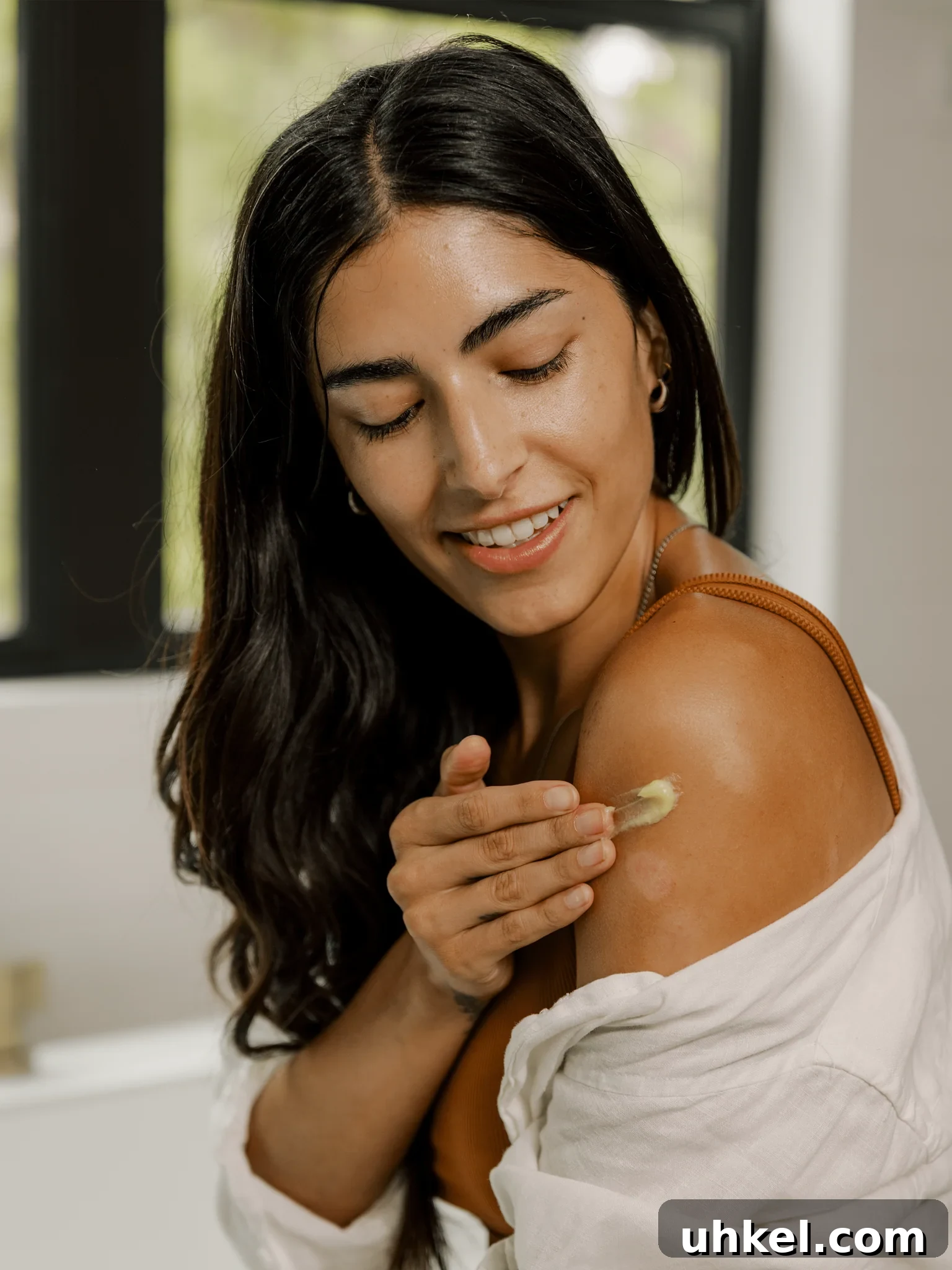
Animal fats are less common in mainstream cosmetics, but they’ve been used traditionally for centuries. Applying rendered beef fat—tallow—on skin may sound unusual, yet tallow-based skincare offers several benefits. Below I explain what tallow is, how it works on skin, and how to use it safely and effectively.
Tallow for Skin: Table of Contents
- What is Tallow?
- What Can Tallow Be Used For?
- Does Tallow Have a Scent?
- Mutton Tallow vs. Beef Tallow for Skin
- Is Beef Tallow Good for Skin?
- 1. It’s rich in vitamins
- 2. It has essential fatty acids
- 3. It doesn’t contain polyunsaturated fatty acids
- 4. It improves skin cells for healthy skin
- Does Beef Tallow Clog Pores?
- Tallow Skincare Application Tips
- 1. A little goes a long way
- 2. Get your money’s worth!
- 3. Avoid grain-fed cows
- Does Grass-Fed Tallow Matter?
- Best Tallow Skincare Products
This article includes affiliate mentions.
Quick note: Tallow skincare is animal‑derived and therefore not suitable for vegans. If you avoid animal products, tallow is not for you; the information here is for readers curious about tallow-based care.
What is Tallow?
Beef tallow is rendered fat taken from the fatty deposits of cattle. During rendering the fat is gently melted and separated from connective tissue and impurities. Like some plant butters, tallow is solid at room temperature because it contains higher levels of saturated fats such as palmitic and stearic acid, which raise its melting point and give it a dense, buttery texture.
That firm consistency makes tallow ideal for moisturizers: it feels similar to shea butter, holds up well over time, and stores easily when kept sealed and away from direct sunlight. Historically, tallow has been used for cooking, soap making, candles and skincare for centuries.
In composition, tallow contains a mix of monounsaturated and saturated fats and also includes beneficial compounds such as conjugated linoleic acid (CLA) and fat‑soluble vitamins depending on the animal’s diet. Properly rendered tallow has a long shelf life and a high smoke point, which is why it’s also used for cooking in traditional kitchens.
What Can Tallow Be Used For?
Tallow is a versatile ingredient. Its emollient, barrier‑supporting properties make it a good base for moisturizers, balms, lip products and cleansing balms. Tallow is intensely hydrating, so it’s especially useful for dry, chapped, or aging skin, but its fatty acid profile and low comedogenic tendency mean many people with sensitive or acne‑prone skin can use it without issues.
Manufacturers use tallow in face creams, body butters, lip balms, deodorants and cleansing balms to add richness and skin barrier support.
Does Tallow Have a Scent?
Whether tallow smells like beef depends on how it was rendered and processed. Pure, minimally processed tallow can retain a faint meaty aroma, but many skincare producers refine and deodorize tallow so the scent is barely noticeable. If you prefer fragrance, some tallow products are lightly scented with essential oils.
Mutton Tallow vs. Beef Tallow for Skin
Mutton tallow comes from sheep and has a slightly different fatty acid profile than beef tallow. Beef tallow tends to be more saturated and is commonly chosen for moisturizing products because of its stable texture and emollient properties. Both can hydrate skin, but beef tallow is more frequently used for skincare formulations.
Is Beef Tallow Good for Skin?
Compared with many conventional products that contain synthetic additives, tallow is a simple, natural ingredient with several benefits for the skin. Below are key reasons people choose tallow in their skincare routine.
1. It’s rich in vitamins
Tallow contains fat‑soluble vitamins A, D, E and K. These micronutrients support skin health in different ways: vitamin A helps stimulate collagen and can reduce fine lines; vitamin D supports skin renewal; vitamin E has antioxidant and anti‑inflammatory effects; and vitamins E and K can aid in wound healing and reduction of discoloration. The nutrient content is influenced by the animal’s diet, so tallow from pasture‑raised animals is often more nutrient dense.
2. It has essential fatty acids
Beef tallow contains essential and semi‑essential fatty acids such as conjugated linoleic acid (CLA), linoleic acid, oleic acid, palmitic and stearic acids. These compounds act as emollients, help repair the skin barrier, offer anti‑inflammatory and antimicrobial benefits, and can support wound healing and overall hydration.
3. It doesn’t contain polyunsaturated fatty acids
Tallow is low in polyunsaturated fatty acids (PUFAs). Some people prefer lower‑PUFA oils for topical use because PUFAs are more prone to oxidation, which can produce unstable compounds when exposed to heat, light or air. The stability of tallow makes it a durable ingredient in solid, long‑lasting formulations.
4. It improves skin cells for healthy skin
Tallow’s fatty acid composition is somewhat similar to the lipids found in human skin and sebum. This similarity helps tallow integrate with the skin’s natural oils, soothing, replenishing and supporting the skin barrier. Triglycerides and other lipids in tallow can mimic and reinforce the skin’s protective layer.
Does Beef Tallow Clog Pores?
Compared with some plant oils like coconut oil, tallow has a relatively low comedogenic profile for many users, meaning it’s less likely to clog pores. Individual responses vary, but many people with sensitive or acne‑prone skin find tallow tolerable and non‑comedogenic.
Tallow Skincare Application Tips
If you want to try tallow in your routine, follow these practical tips to get the best results.
1. A little goes a long way
Tallow is rich and concentrated. Start with a small amount and increase as needed. A pea‑sized dab can be enough for the face.
2. Get your money’s worth!
Tallow is versatile—use it on the face, body, hands and lips. Choose products with minimal, safe ingredients if you want a gentle, multiuse balm suitable for many family members.
3. Avoid grain-fed cows
When possible, choose tallow from grass‑fed, pasture‑raised animals. Diet affects fat composition, and pasture‑raised animals generally produce tallow with higher levels of beneficial nutrients.
Does Grass-Fed Tallow Matter?
Yes. Grass‑fed tallow typically contains higher levels of beneficial fatty acids, carotenoids and fat‑soluble vitamins because of the animal’s diet. Grass‑fed and pasture‑raised sourcing also aligns with more ethical and sustainable practices compared with large‑scale grain‑fed operations. For skincare, higher nutrient content in tallow can translate to a more nourishing product.
Best Tallow Skincare Products
If you want to try tallow in finished products, many small brands and makers now offer tallow balms, creams and cleansing balms formulated for skincare. Look for items that list grass‑fed or pasture‑raised tallow, simple ingredient lists, and minimal processing if you prefer a more natural product.
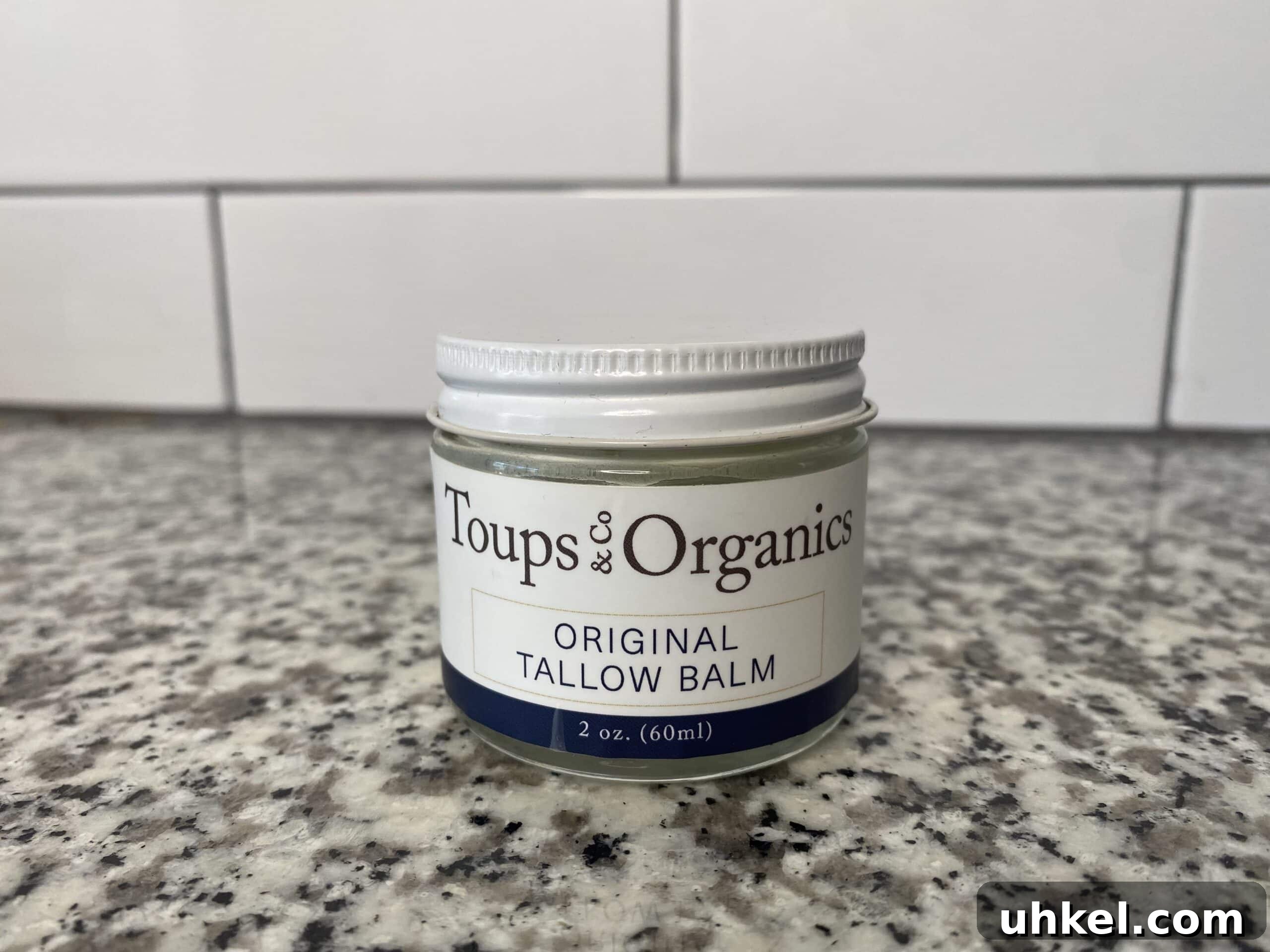
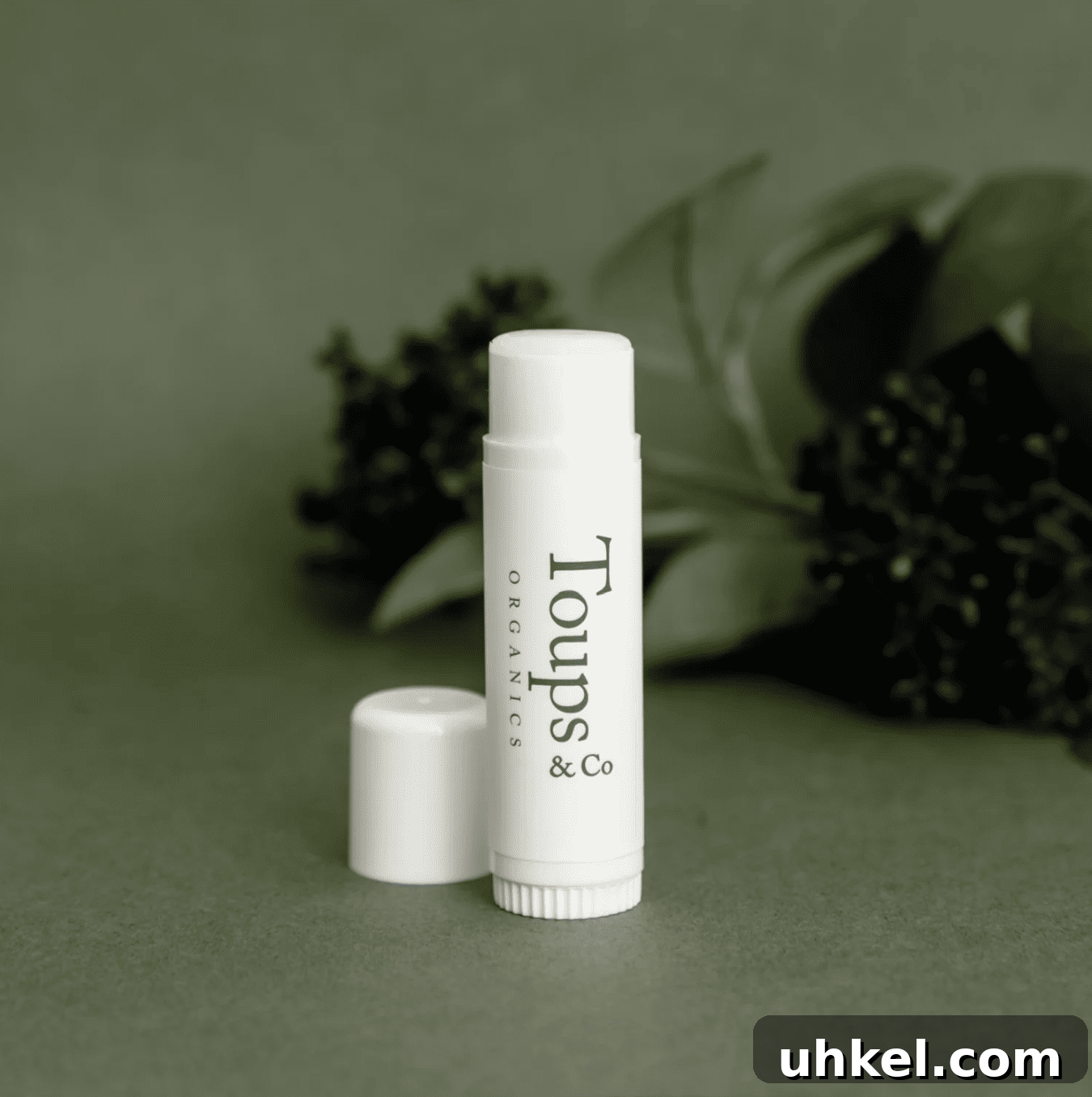
1. Toups & Co. Tallow Balms
Price: $45.00
These balms are typically made from 100% grass‑fed tallow blended with nourishing oils and essential oils for scent. Suitable for restoring firmness and adding hydration, they’re designed to be non‑toxic and skin‑supportive.
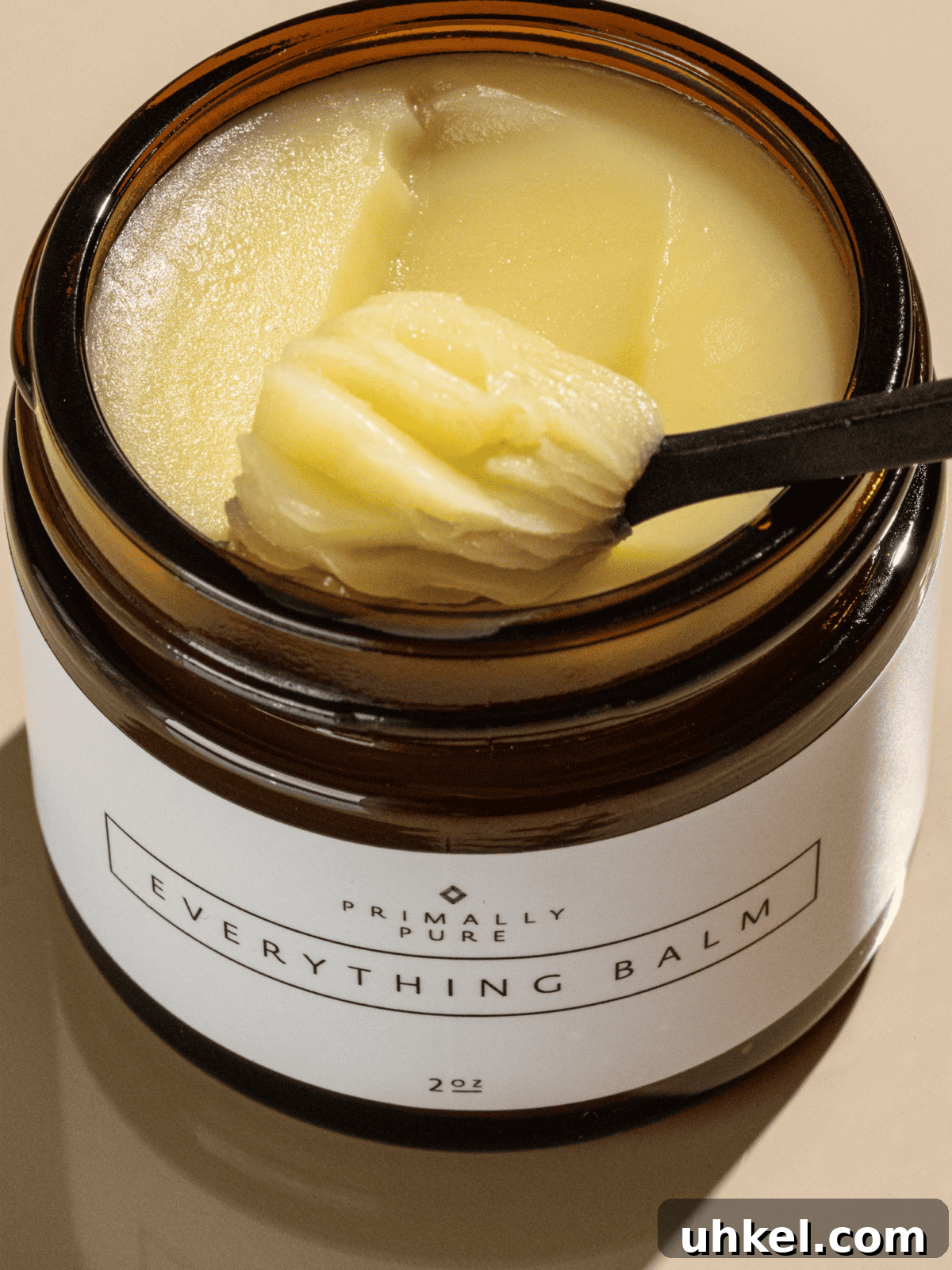
2. Primally Pure Everything Balm
Price: $28.00
This balm typically combines grass‑fed tallow with oils such as extra virgin olive oil and emu oil to support barrier repair and provide deep hydration for face and body.
3. Ela Skincare Co. Unscented Everything Butter
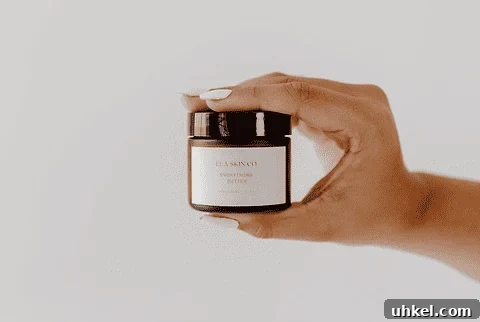
Price: $29.00
A simple, small‑batch product often made with local tallow and a lightweight carrier like jojoba oil. Unscented formulas are a good choice for sensitive skin and play well with other products.
4. Buffalo Gal Grassfed Beauty Night Repair Balm
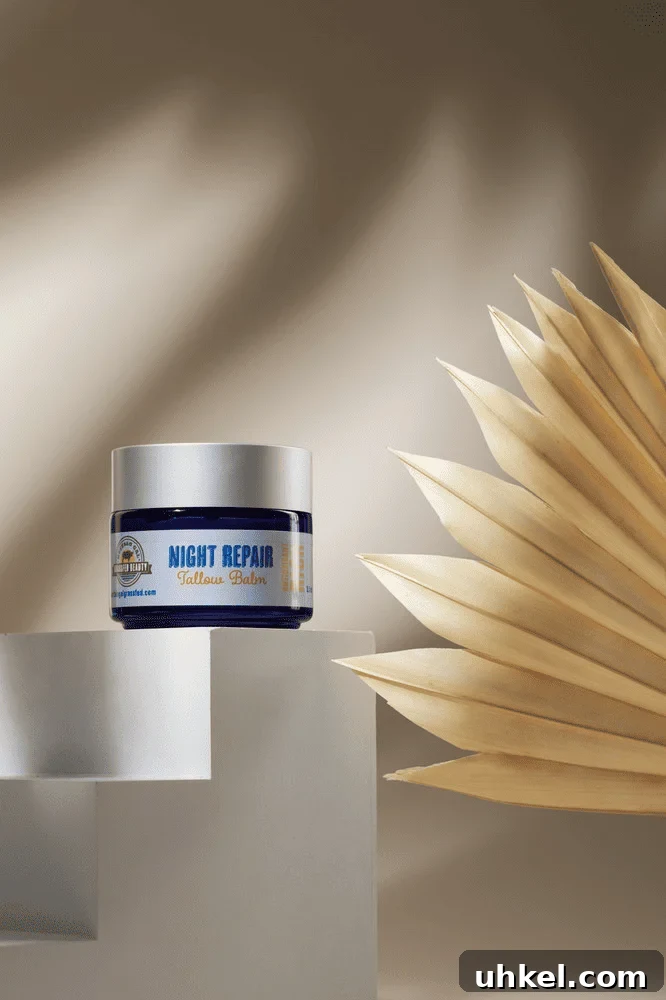
Price: $89.00
This type of repair balm may combine water buffalo tallow or beef tallow with targeted actives like antioxidants and vitamins intended to support overnight skin repair.
5. Mayberry Farms Honey and Tallow Body Balm
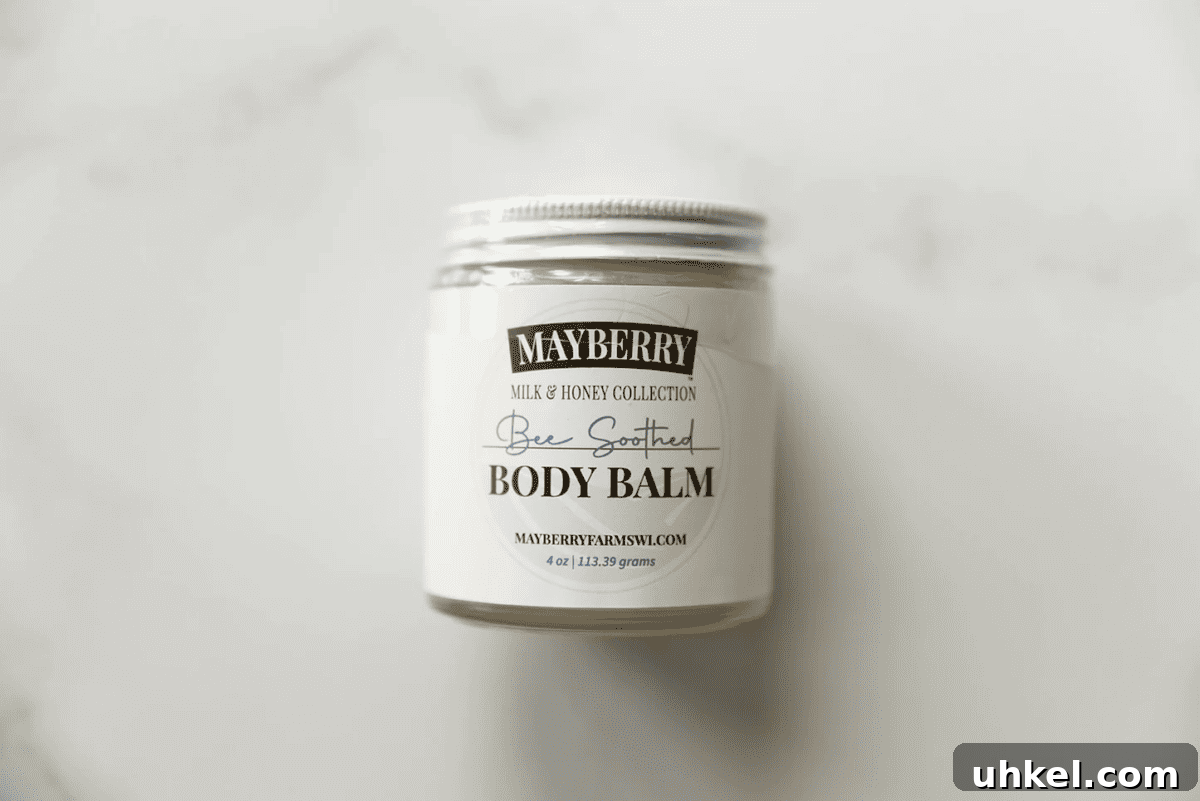
Price: $12.00
Combining tallow with raw honey, goat milk or butters can create a rich, affordable body balm. Note that formulas containing coconut oil may be more comedogenic for some facial skin types.
6. Primally Pure Lip Balm
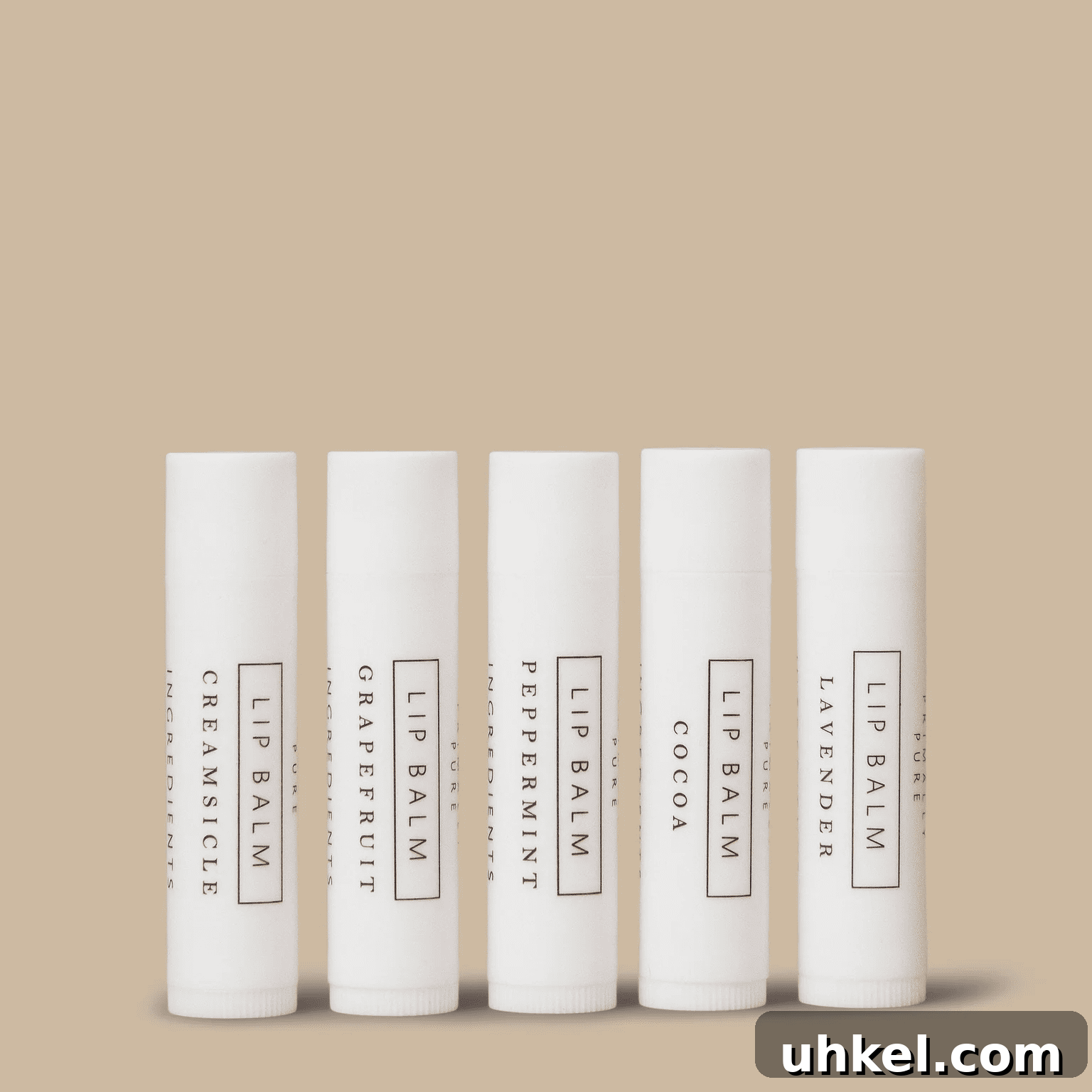
Price: $4.00
Tallow‑based lip balms combine beeswax, tallow and butters for a protective, hydrating finish that helps prevent chapping.
7. Primally Pure Bergamot and Eucalyptus Deodorant
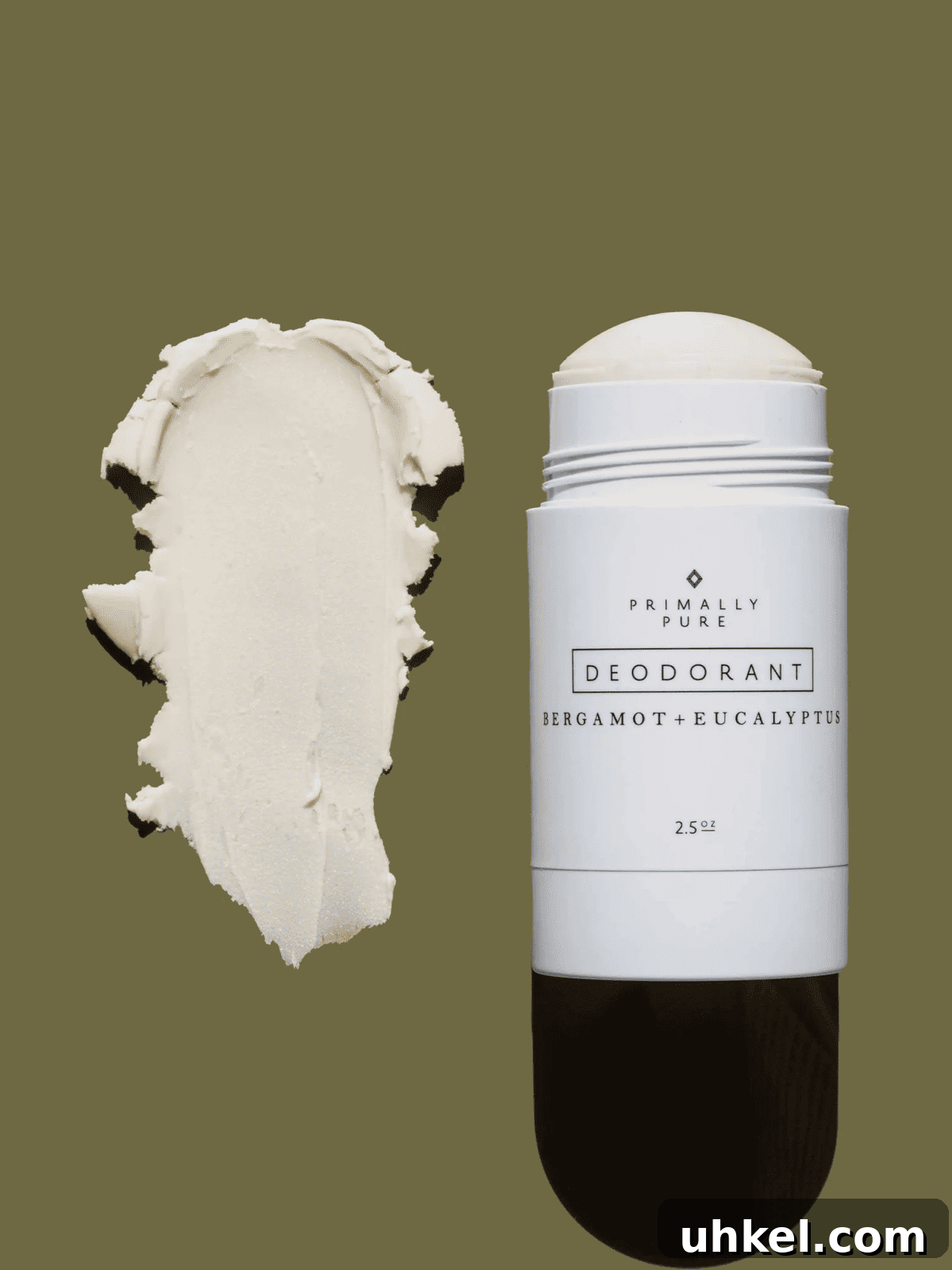
Price: $16.00
Some natural deodorants use tallow to add emollience and skin comfort while relying on essential oils for scent. Choose non‑irritating formulations if you have sensitive underarms.
8. Herbal Alchemy Dew Balm with Tallow
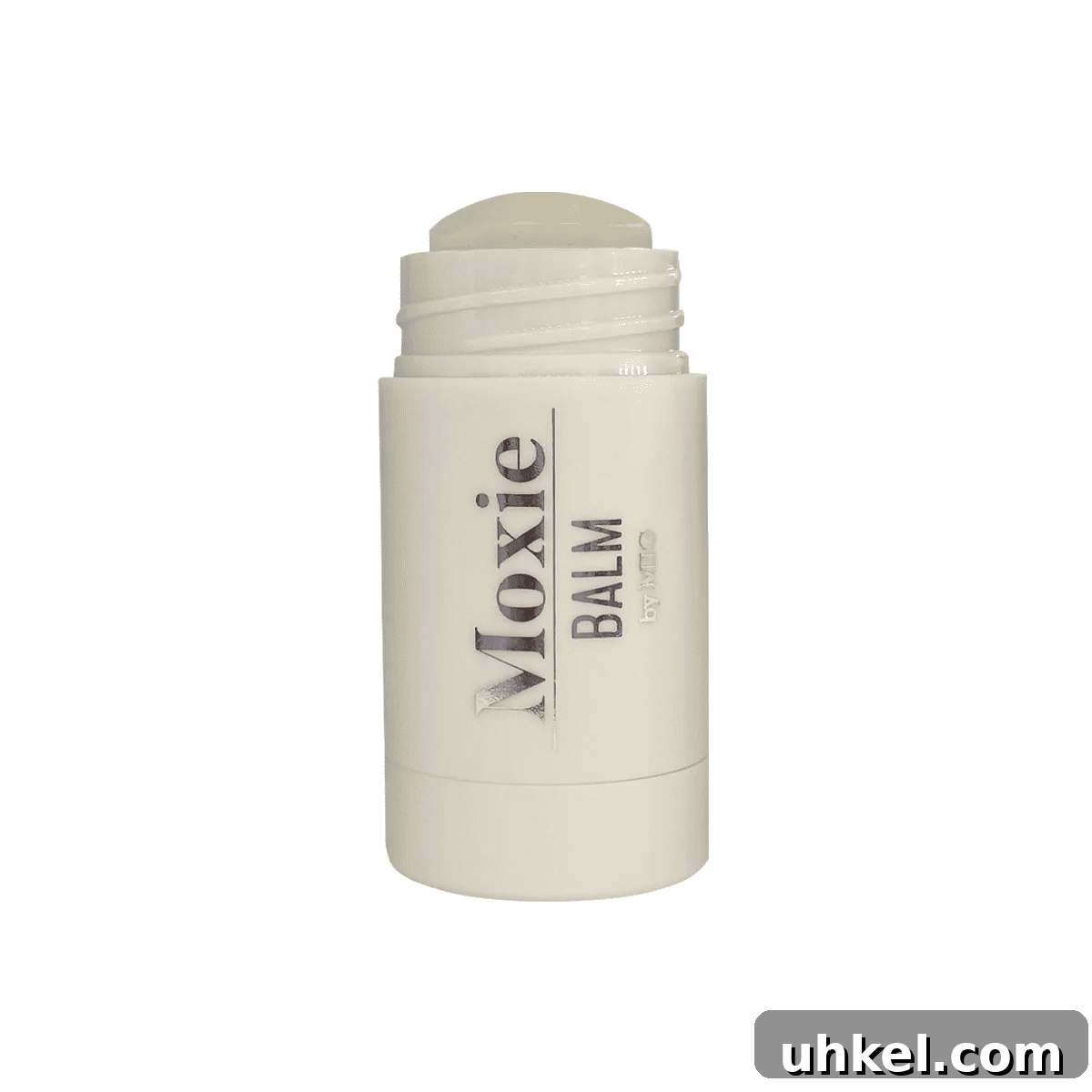
Price: $30.00
Stick balms that use grass‑fed tallow offer easy application and a dewy finish for dry or dull skin.
9. Nemah Renewal Nipple & Lip Balm
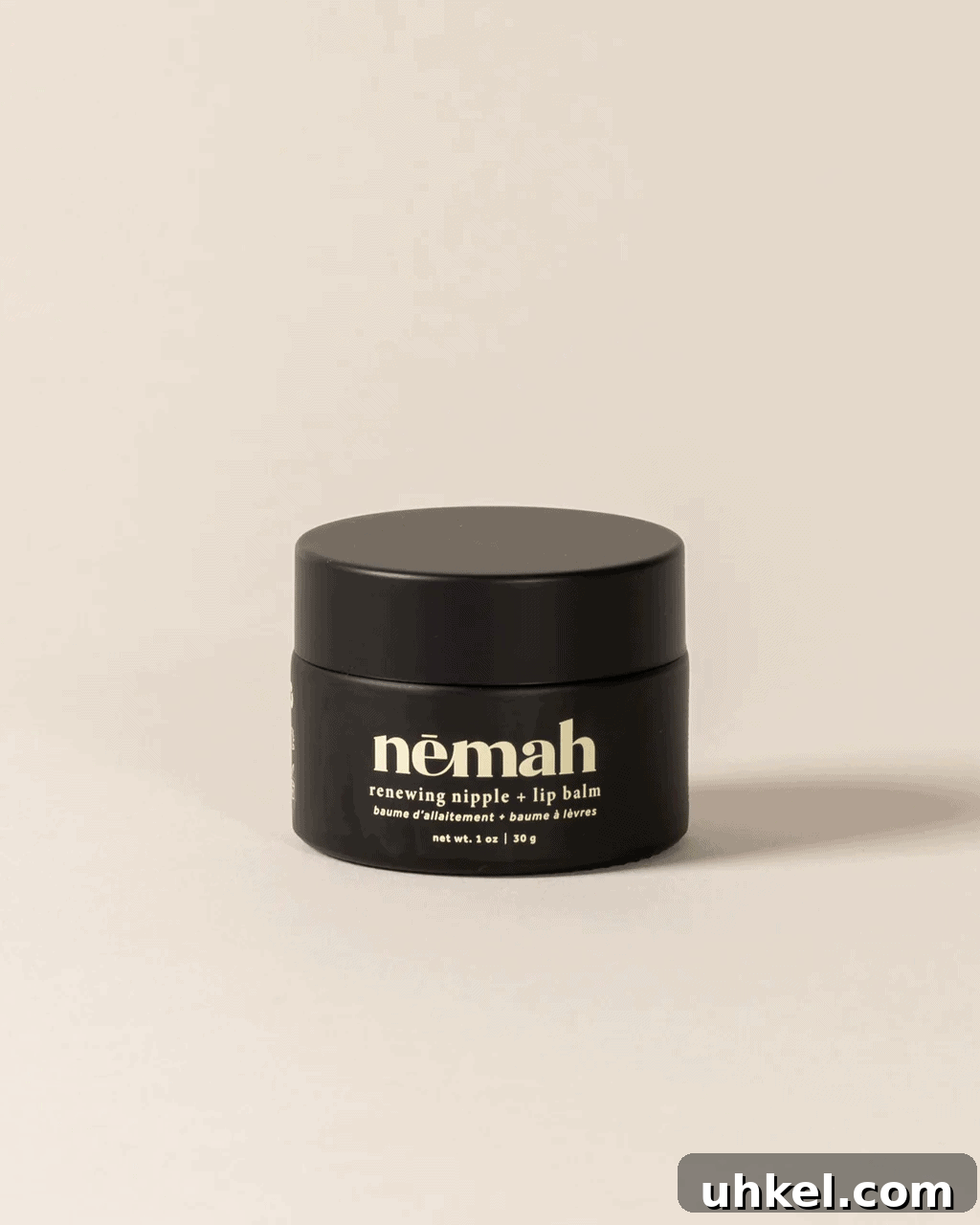
Price: $24.00
Specialized tallow balms designed for nipples, lips and delicate skin blend soothing ingredients for safe, targeted care.
10. Buffalo Gal Grassfed Beauty Cleansing Balm
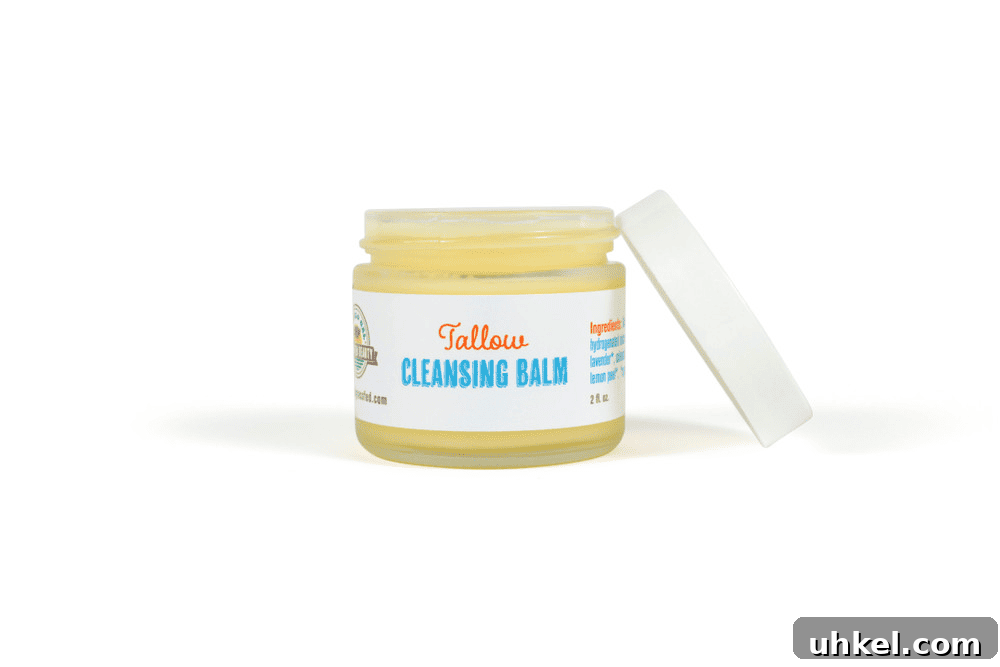
Price: $25.00
Cleasing balms that include tallow melt away makeup while leaving skin hydrated. These formulations often pair tallow with botanical extracts and oils for a gentle, non‑stripping cleanse.
The bottom line: Tallow‑based products can be a gentle, nourishing and effective option for many skin types. When sourced from grass‑fed, pasture‑raised animals and formulated with minimal, safe ingredients, tallow balms and creams provide deep hydration and support the skin barrier—making them a worthwhile option for those seeking natural, animal‑derived skincare.