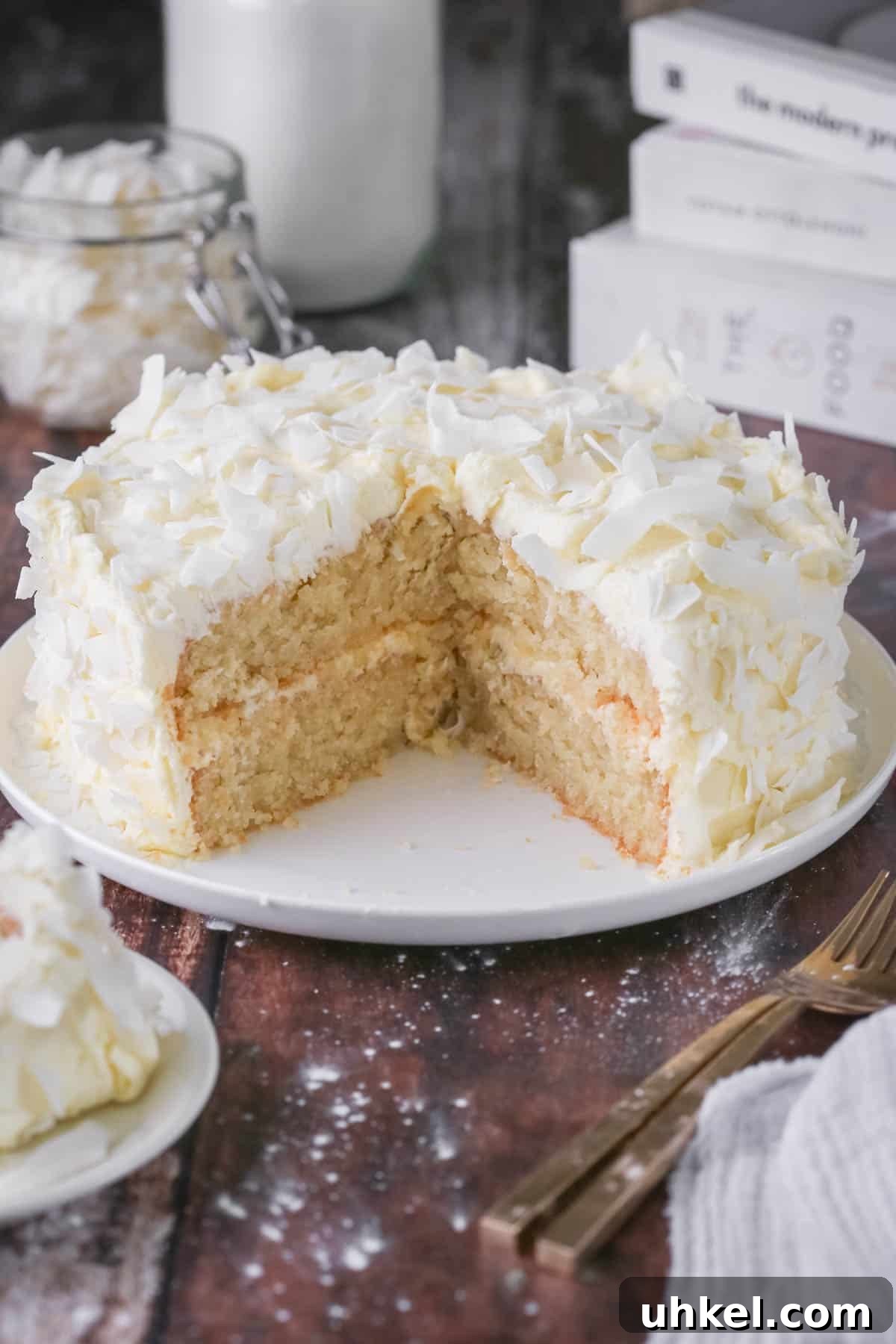
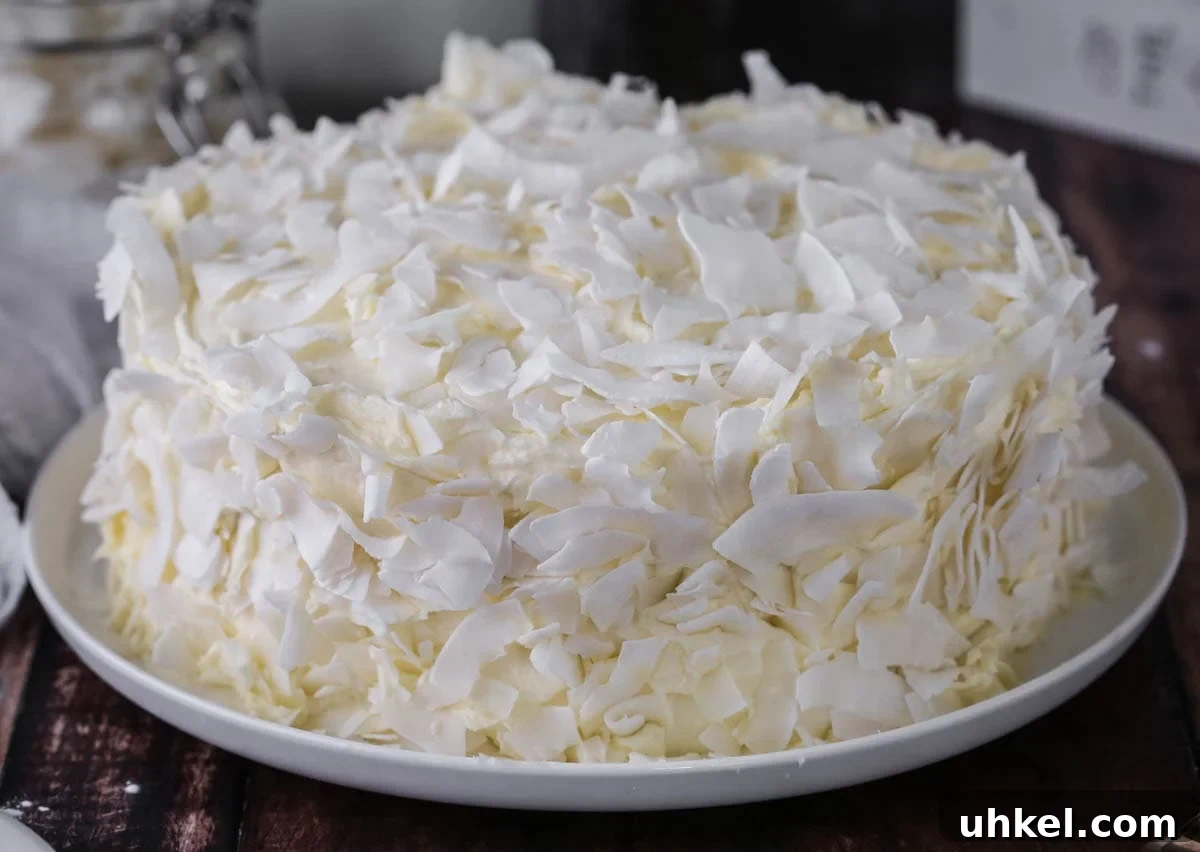
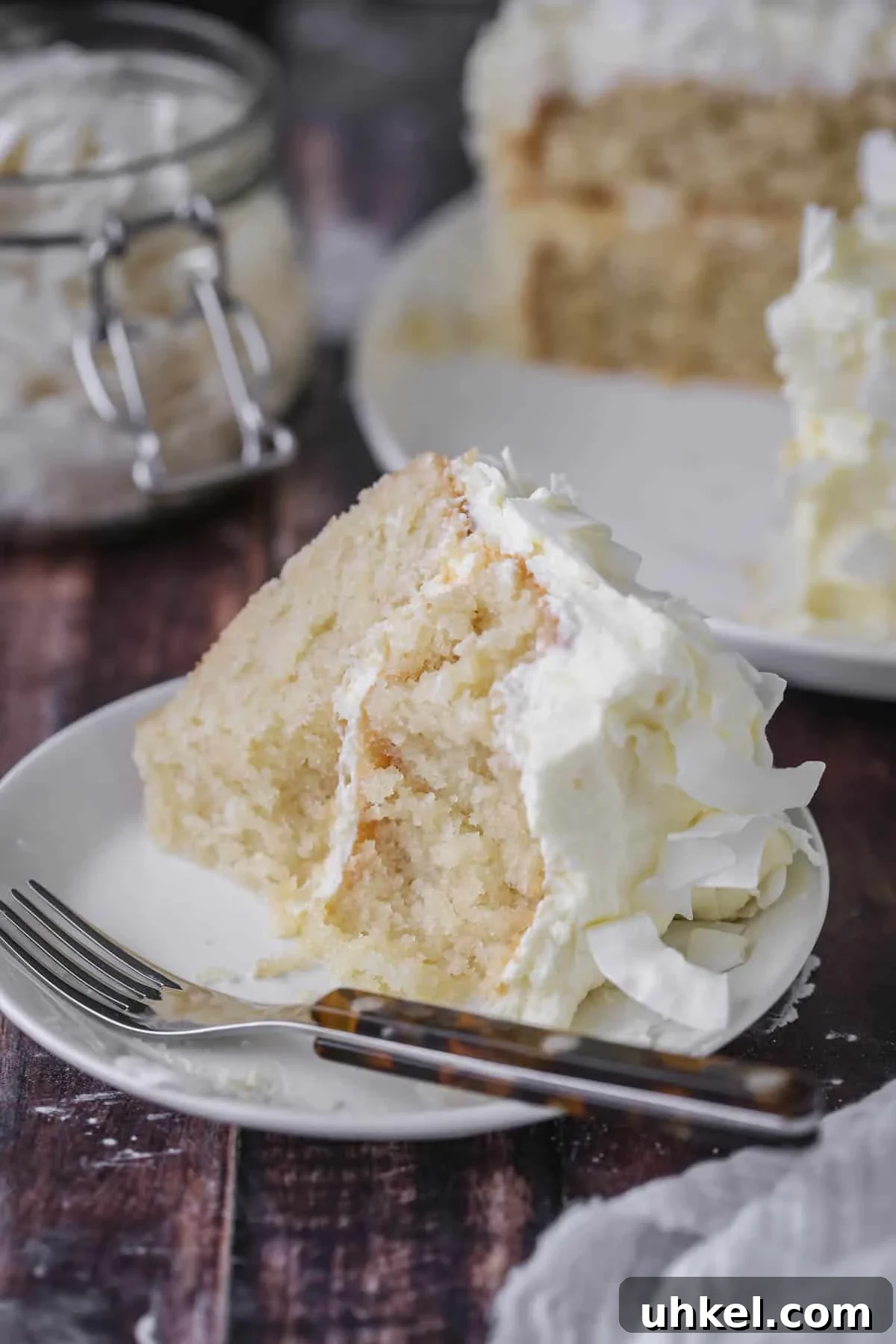
A soft, moist and easy gluten-free coconut cake made with a homemade gluten-free flour blend and no xanthan gum. Filled and covered with a light, fluffy coconut buttercream, this cake delivers layers of coconut flavour in every bite.
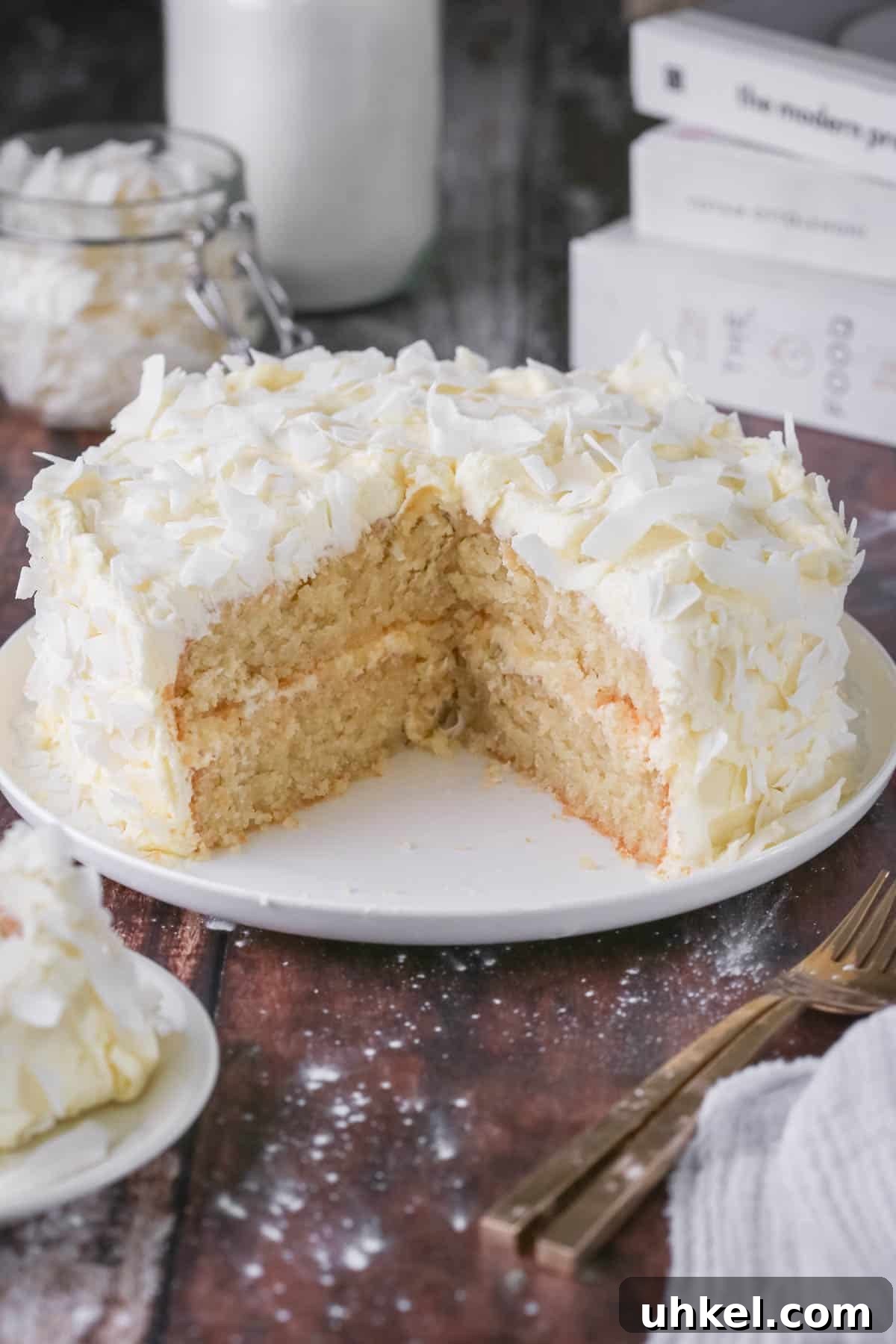
This is Luke’s birthday cake of choice and I bake it for him every year. The layers are soft and moist and packed with coconut flavour, from the flours to the fats and into the ultra-light buttercream.
We use creamed coconut, desiccated coconut, coconut flour, coconut oil and coconut flakes — so yes, this recipe goes all in on coconut.
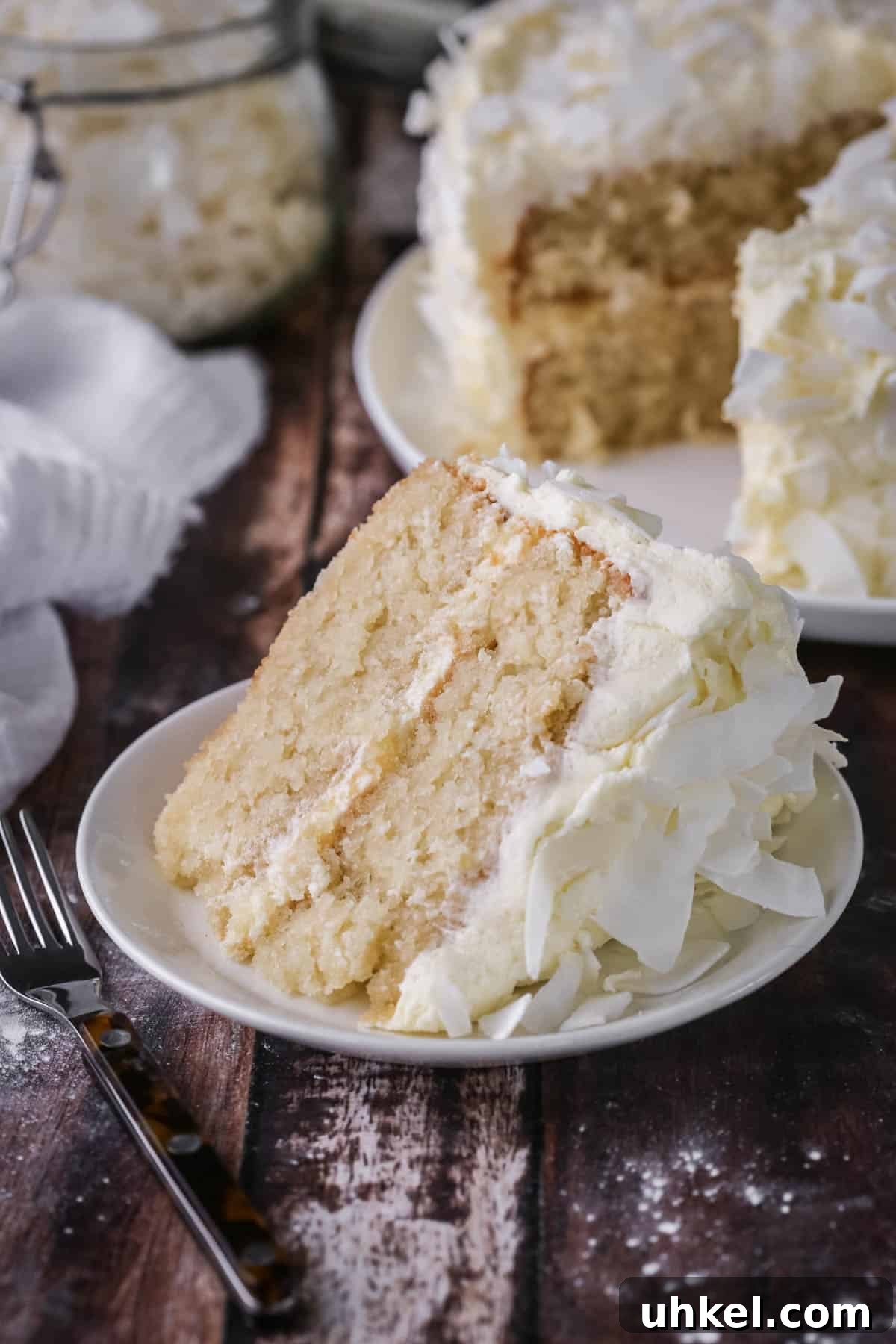
Coconut flour can be tricky because it absorbs and holds a lot of moisture. Left on its own it can make bakes dry and dense, but in this recipe the coconut flour is balanced with almond flour, which retains moisture and helps the cake stay tender. The two flours work together to give structure without the need for xanthan gum, producing cakes that hold together, don’t crumble and stay soft for days.
Below you’ll find a clear, easy method so you can assemble a foolproof, stress-free gluten-free cake that coconut lovers will adore.
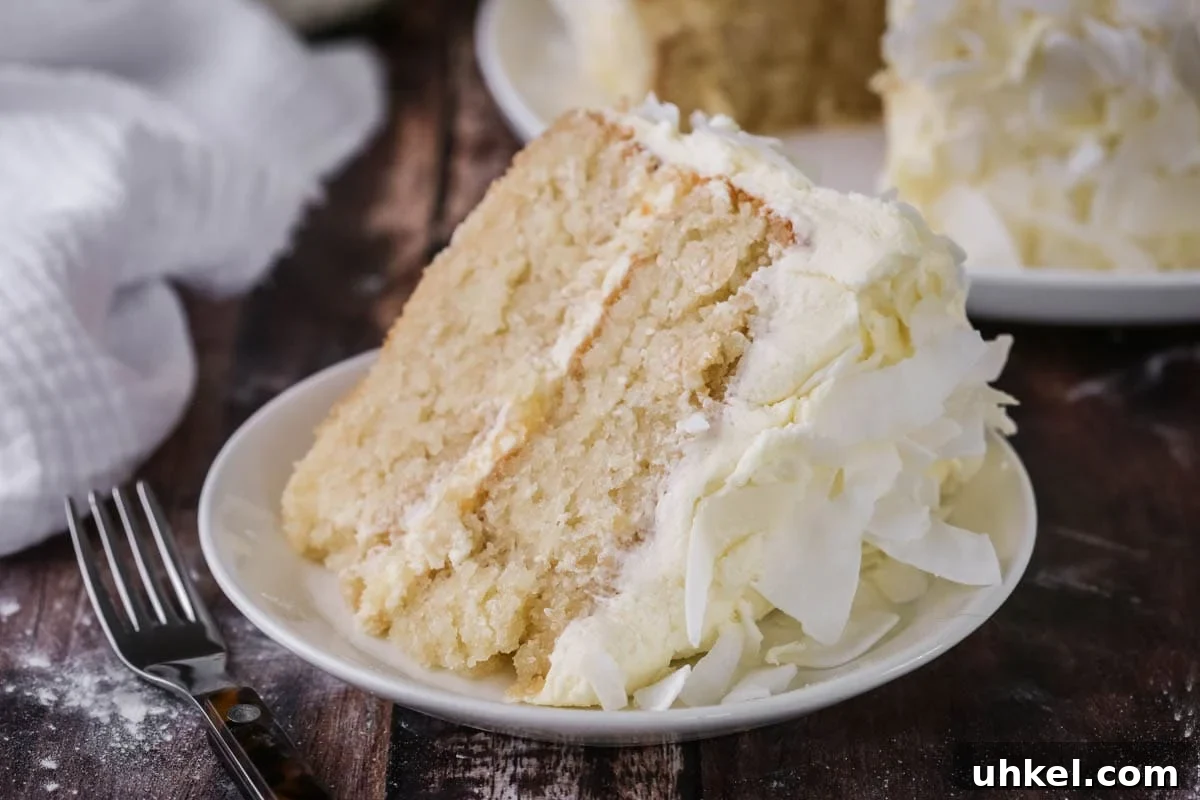
Why You’ll Love This Gluten-Free Coconut Cake
- Intense coconut flavour through the layers and buttercream.
- Quick and straightforward to prepare with no complicated techniques.
- Keeps well for a few days at room temperature in a cool environment.
- No xanthan gum required thanks to the egg-rich batter and balanced flour blend.
Watch the Video
If you prefer a visual guide, watch the video to see the full process of making this Coconut Cake.
Ingredients Needed
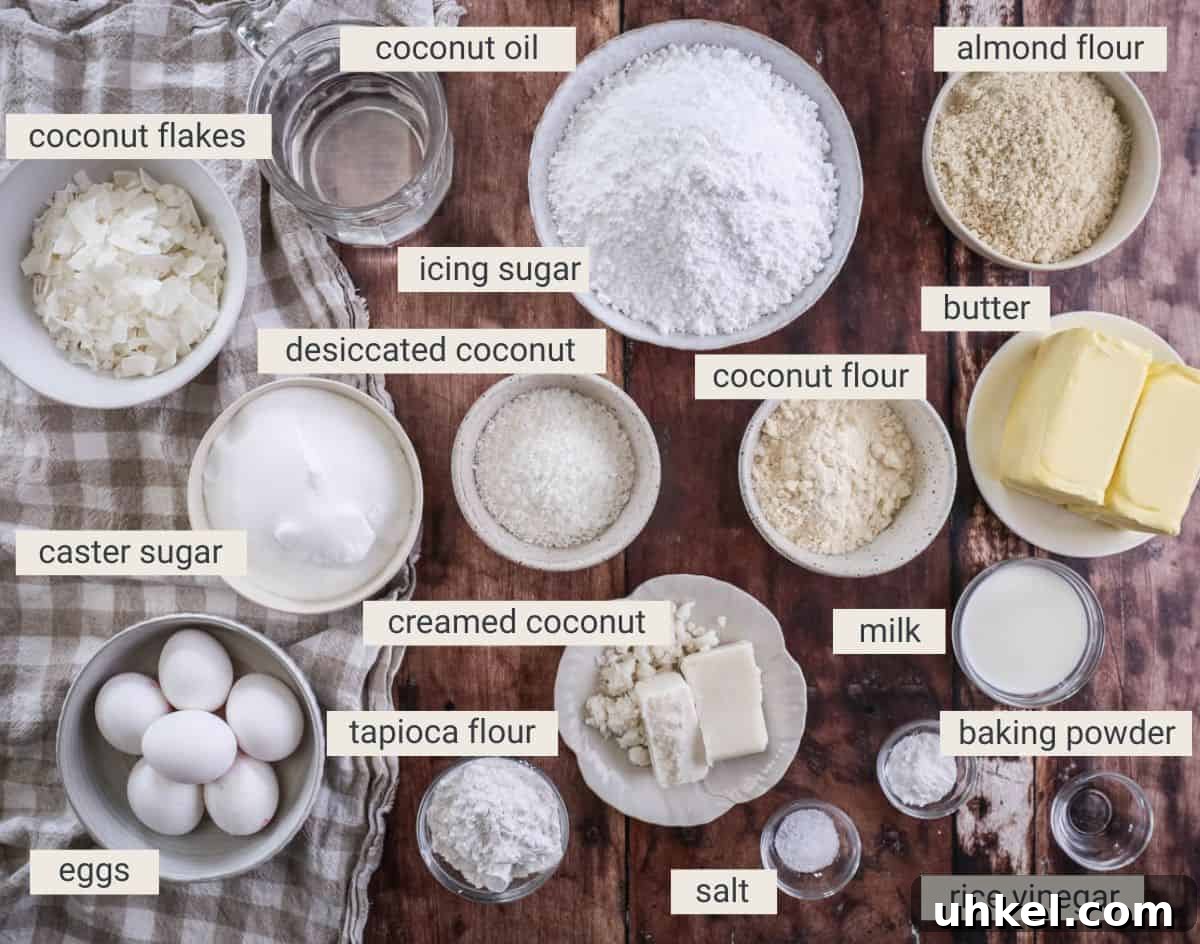
Creamed coconut. Sold as a solid white block made from pure ground coconut flesh, it includes the natural oils and fibre. Hydrate it with warm liquid to make a smooth paste for both cake and buttercream. It’s usually found in the World Foods / International aisle of supermarkets.
Desiccated coconut. Adds texture and coconut intensity. Soak it in the hydrated creamed coconut to soften before adding to the batter.
Caster sugar. A fine baking sugar. Regular granulated sugar can be used if needed.
Coconut oil. Boosts coconut flavour; if needed you can substitute a neutral oil such as light olive oil or vegetable oil.
Eggs. The recipe uses medium eggs (about 60g each with shell / 50g without). Weigh eggs when possible for consistent results.
Almond flour. Use blanched ground almonds (labelled “ground almonds” in many UK stores). It provides moisture and structure when combined with coconut flour.
Coconut flour. Strongly absorbent and best used in a blend. It adds coconut flavour but must be balanced with other flours so the cake stays tender.
Tapioca flour. Lightens the texture and helps bind the batter so the crumb isn’t dense.
Baking powder. A leavening agent to make the cake light and fluffy. Check it’s gluten-free if you need to.
Unsalted butter. For the buttercream so you can control salt. Use softened butter that’s easy to whip.
Icing sugar. Pulverised sugar dissolves smoothly into butter to create a silky buttercream.
Milk. Warmed and used to hydrate creamed coconut for the buttercream—whole milk gives the fullest flavour.
Salt. A small amount brightens the buttercream—don’t skip it.
Rice vinegar. A tiny splash cuts sweetness in the buttercream and rounds the flavour.
How To Make Gluten-Free Coconut Cake
For full recipe details consult the recipe card below.
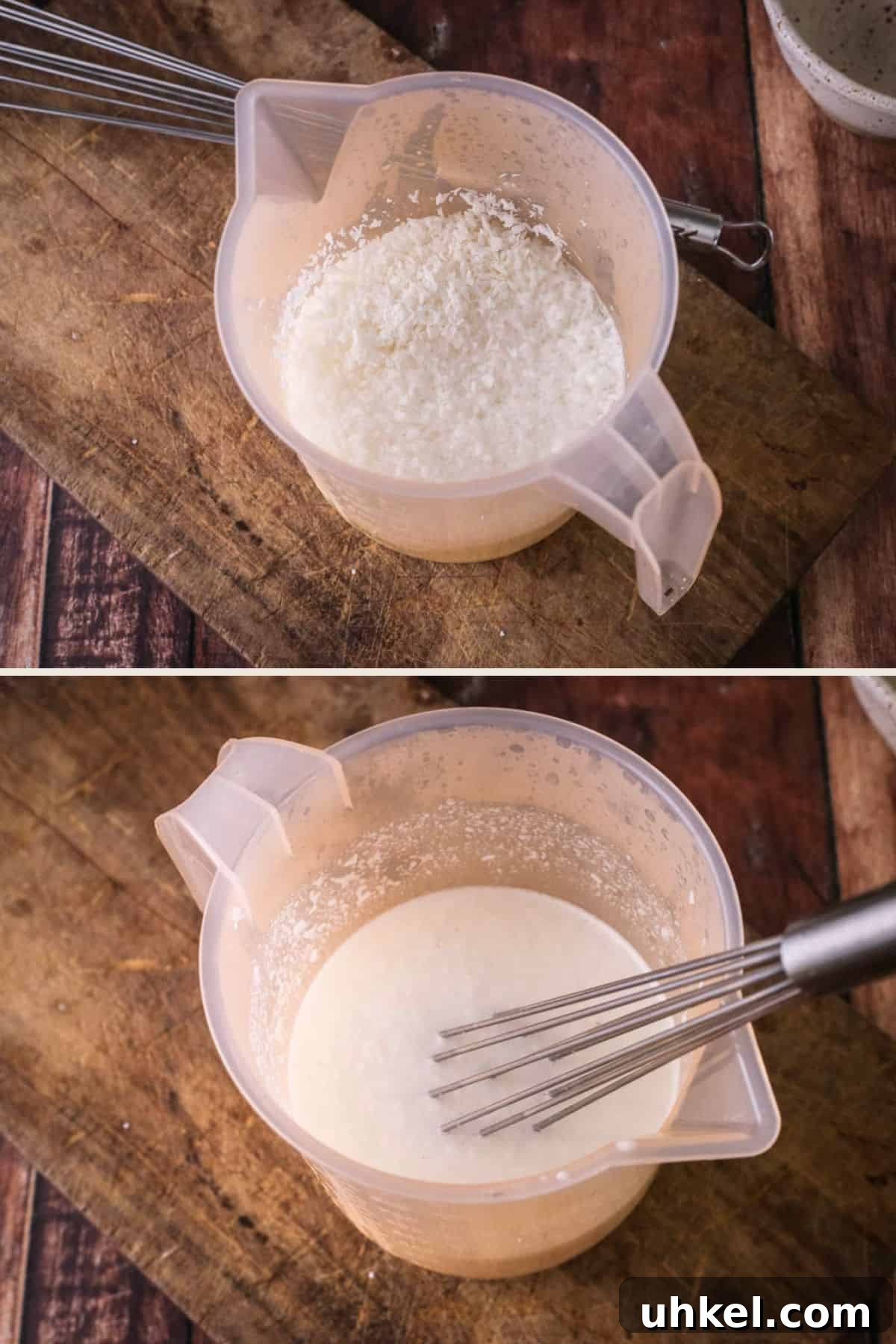
Whisk creamed coconut and desiccated coconut into just-boiled water until the creamed coconut dissolves, then allow the mixture to rest while you prepare the batter.
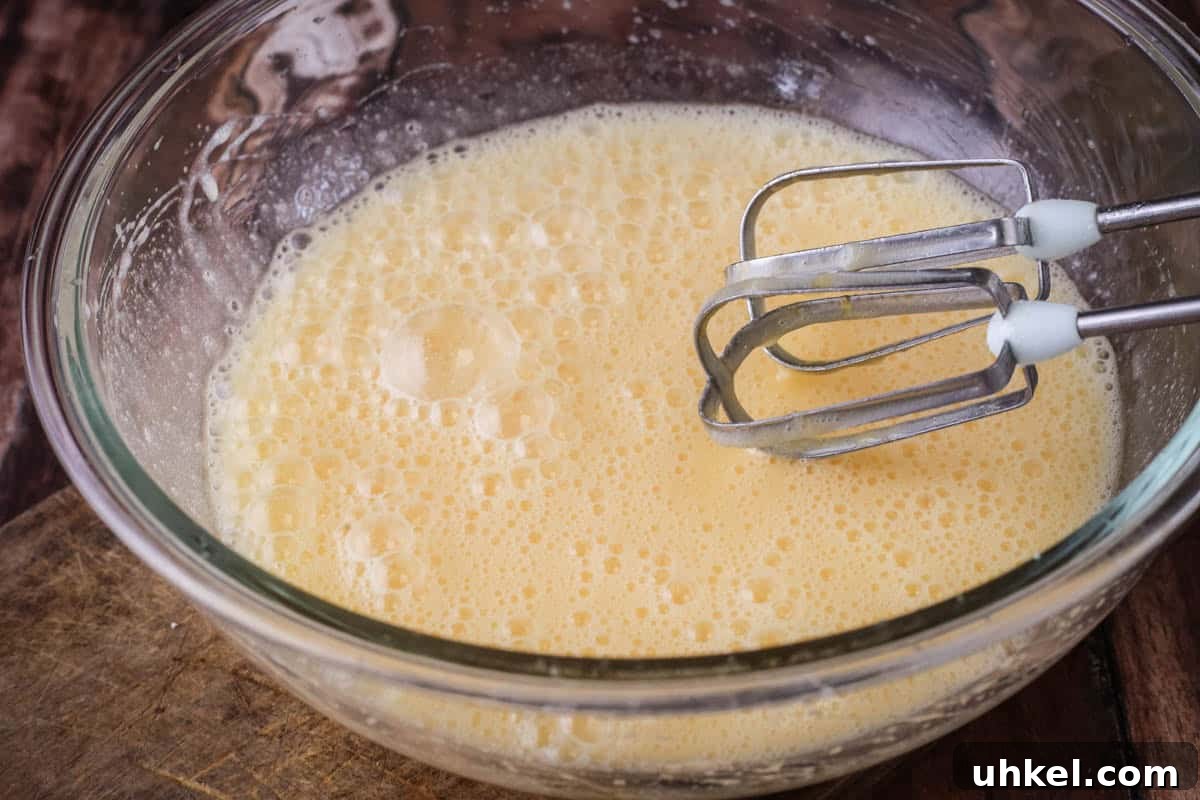
In a large bowl, whisk together the sugar, coconut oil and eggs until fully combined.
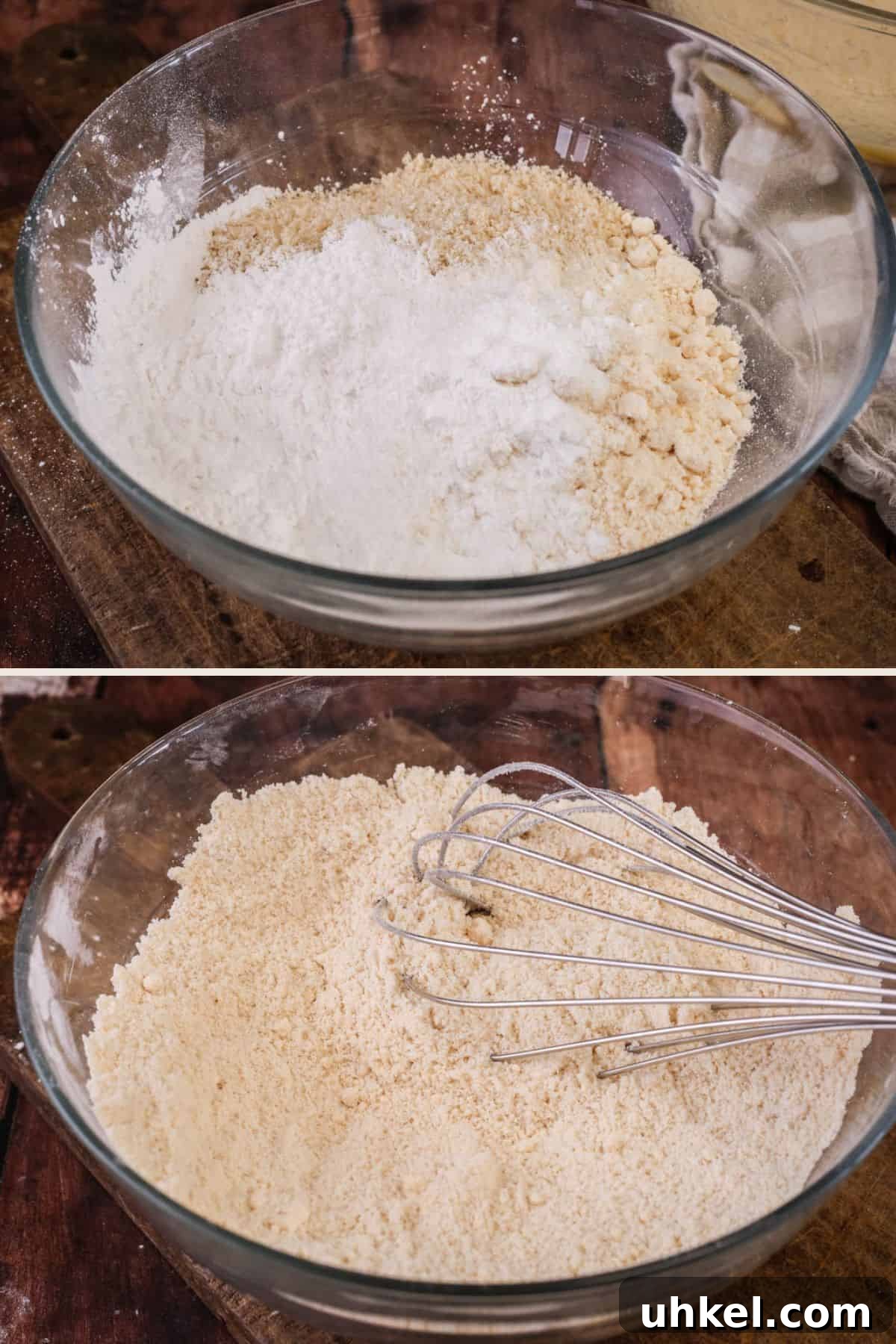
In a separate bowl, whisk the flours, baking powder and salt together.
Add the dry ingredients and the coconut mixture alternately to the wet ingredients in two additions, stirring gently until combined.
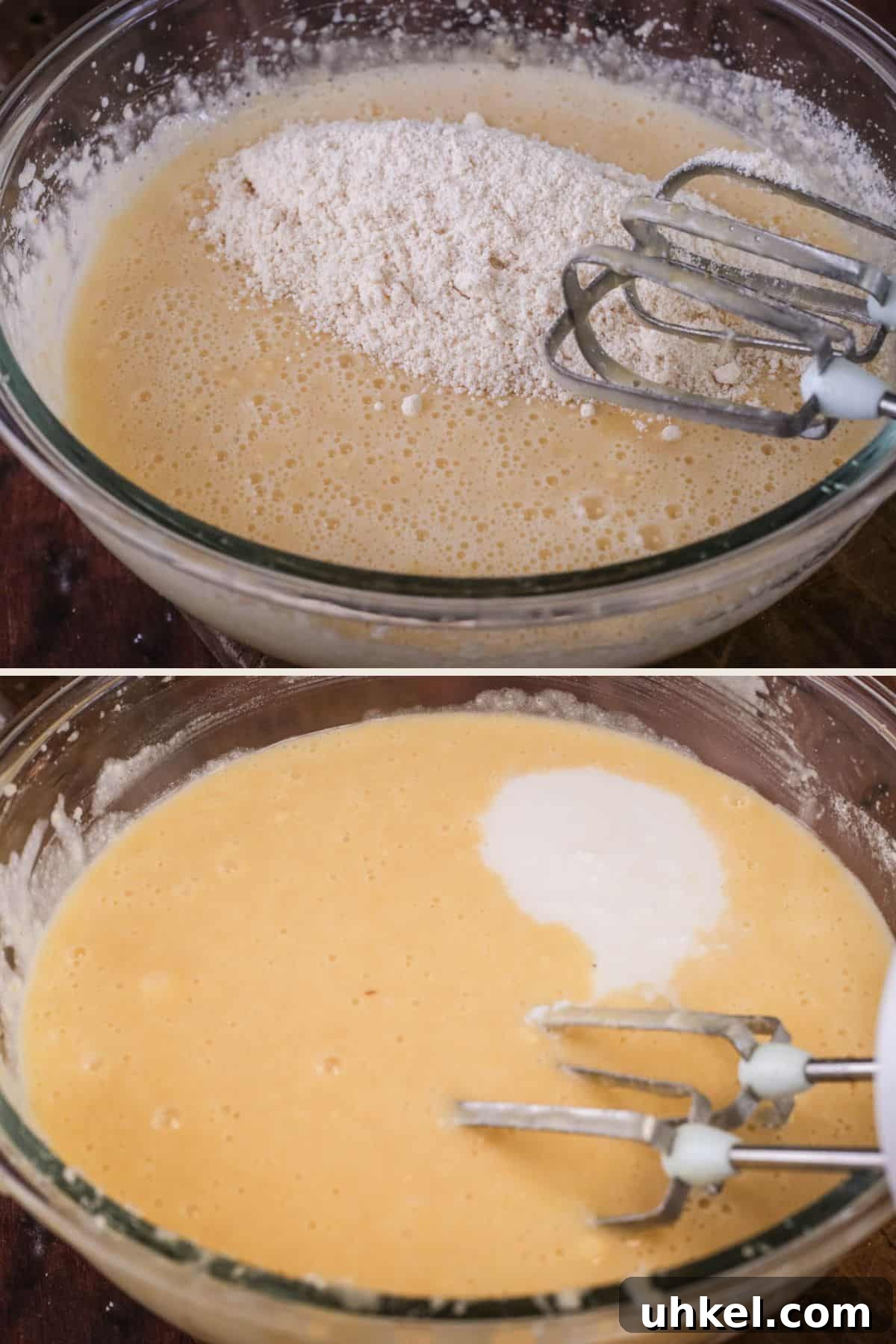
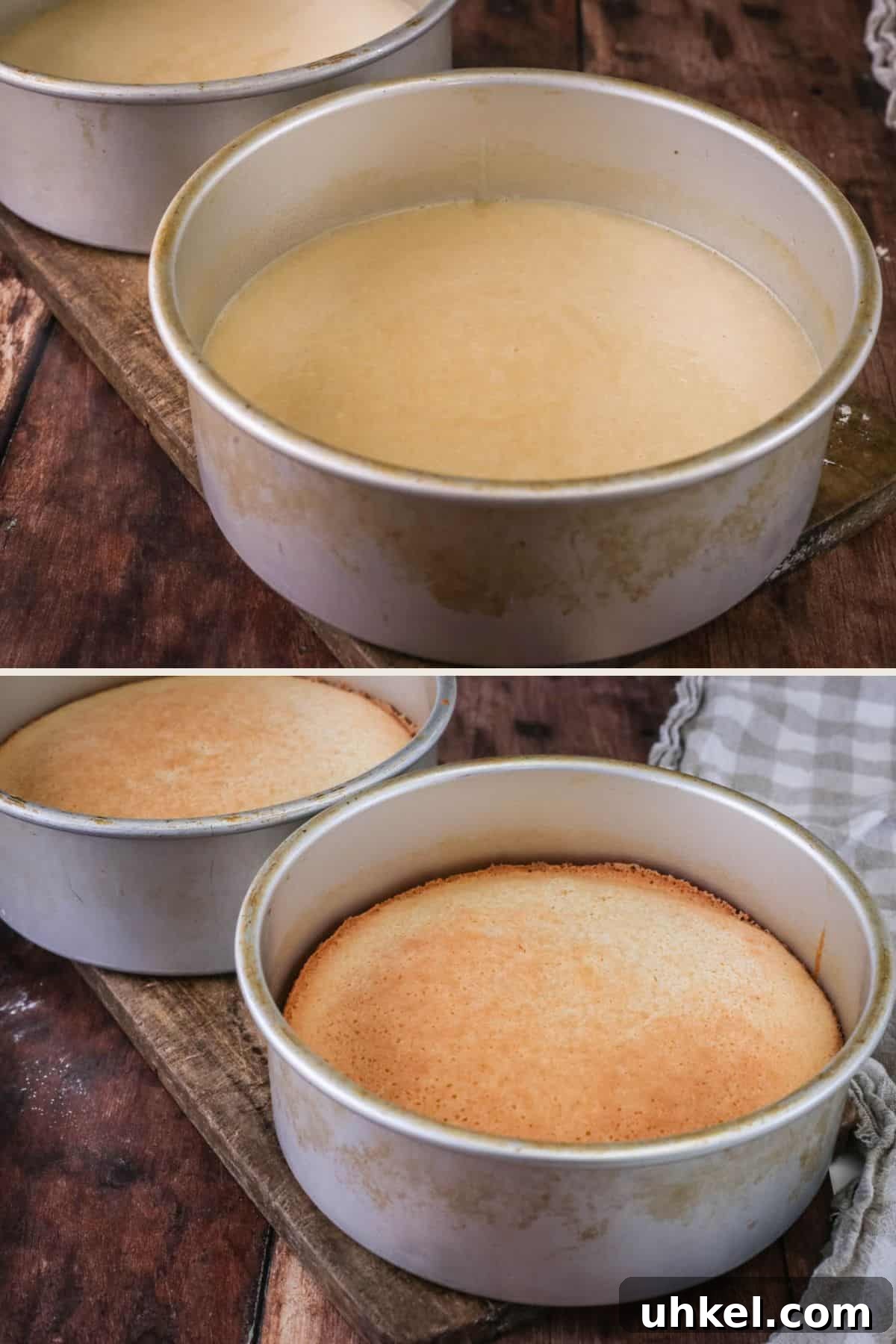
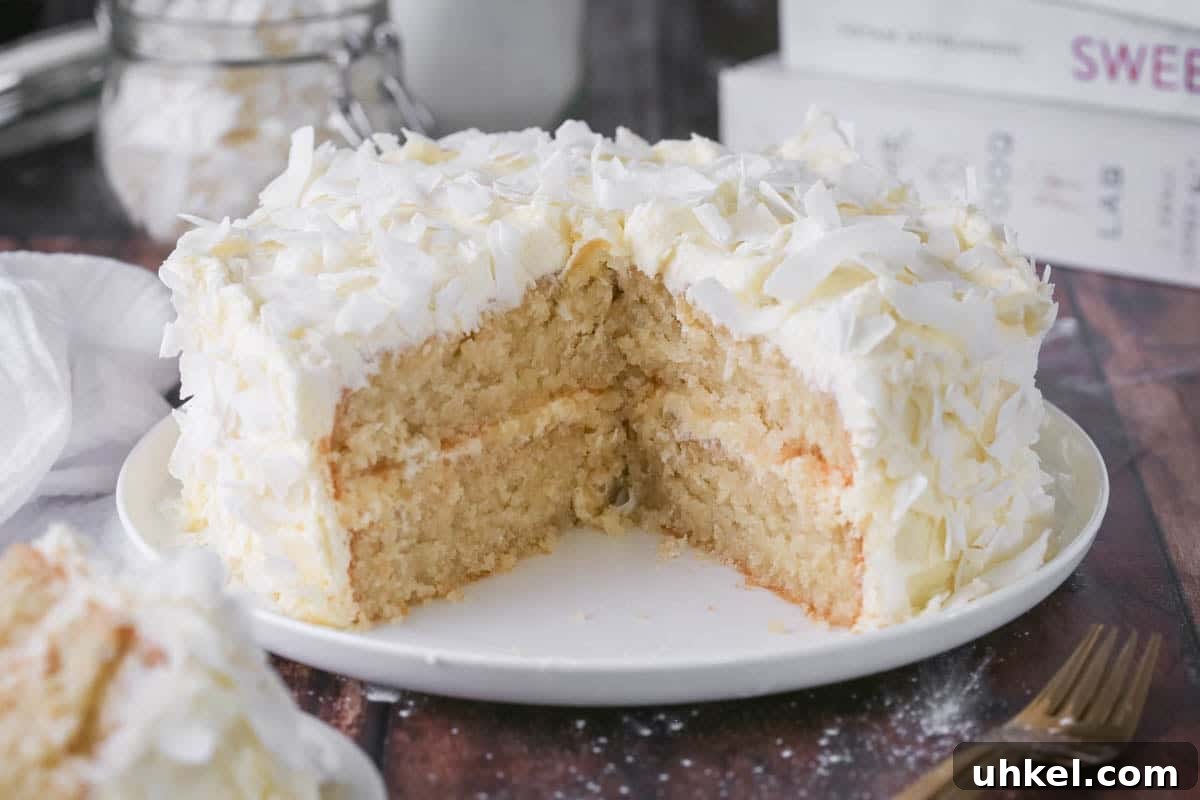
Divide the batter between two 20cm (8 inch) round cake tins and bake for about 35 minutes, or until golden and a skewer inserted into the centre comes out clean. Allow cakes to cool in the tins for 5 minutes, then release and cool completely on racks.
Buttercream
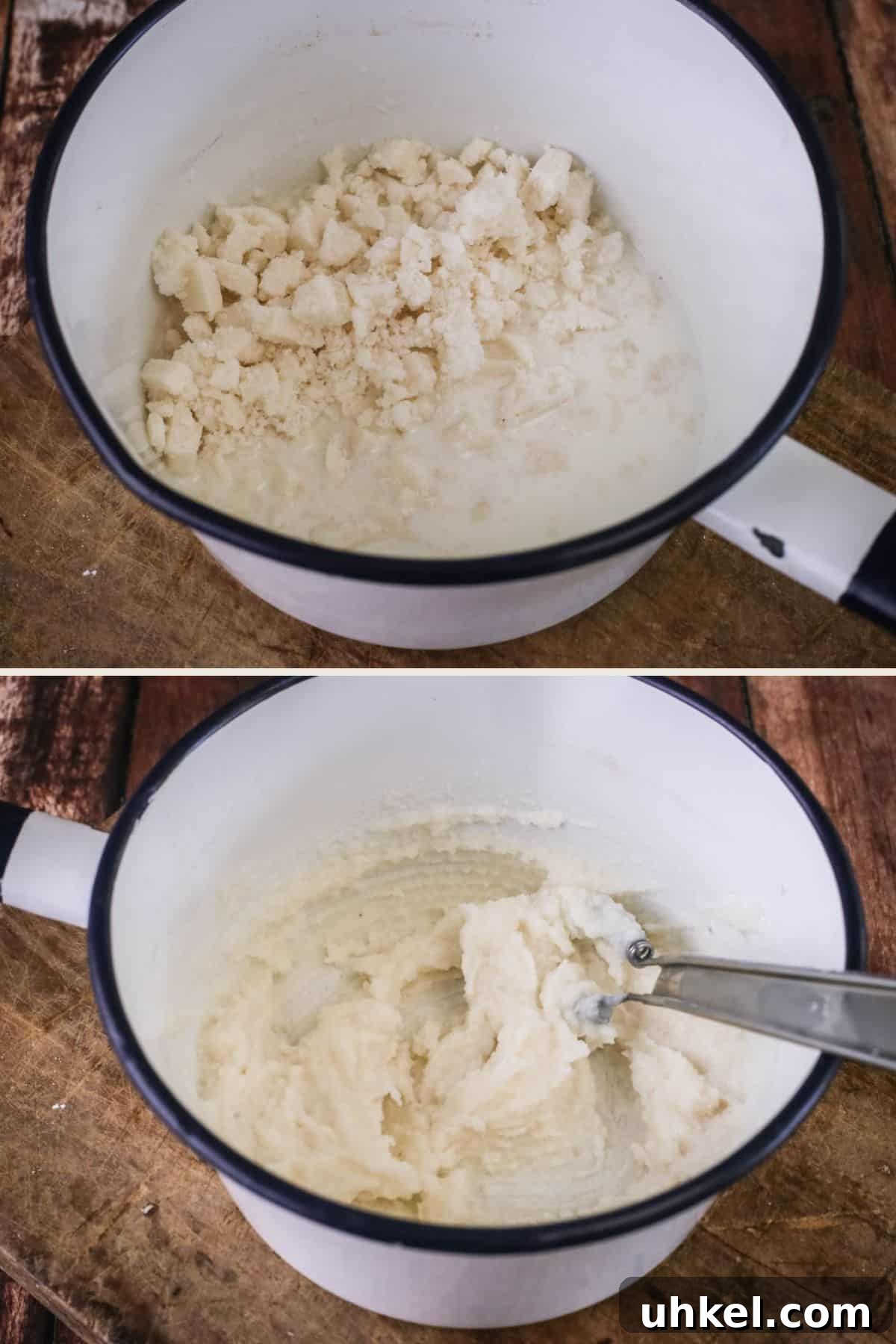
Warm the milk until just under a boil and whisk in creamed coconut to form a smooth, thick paste. Set aside to cool slightly.
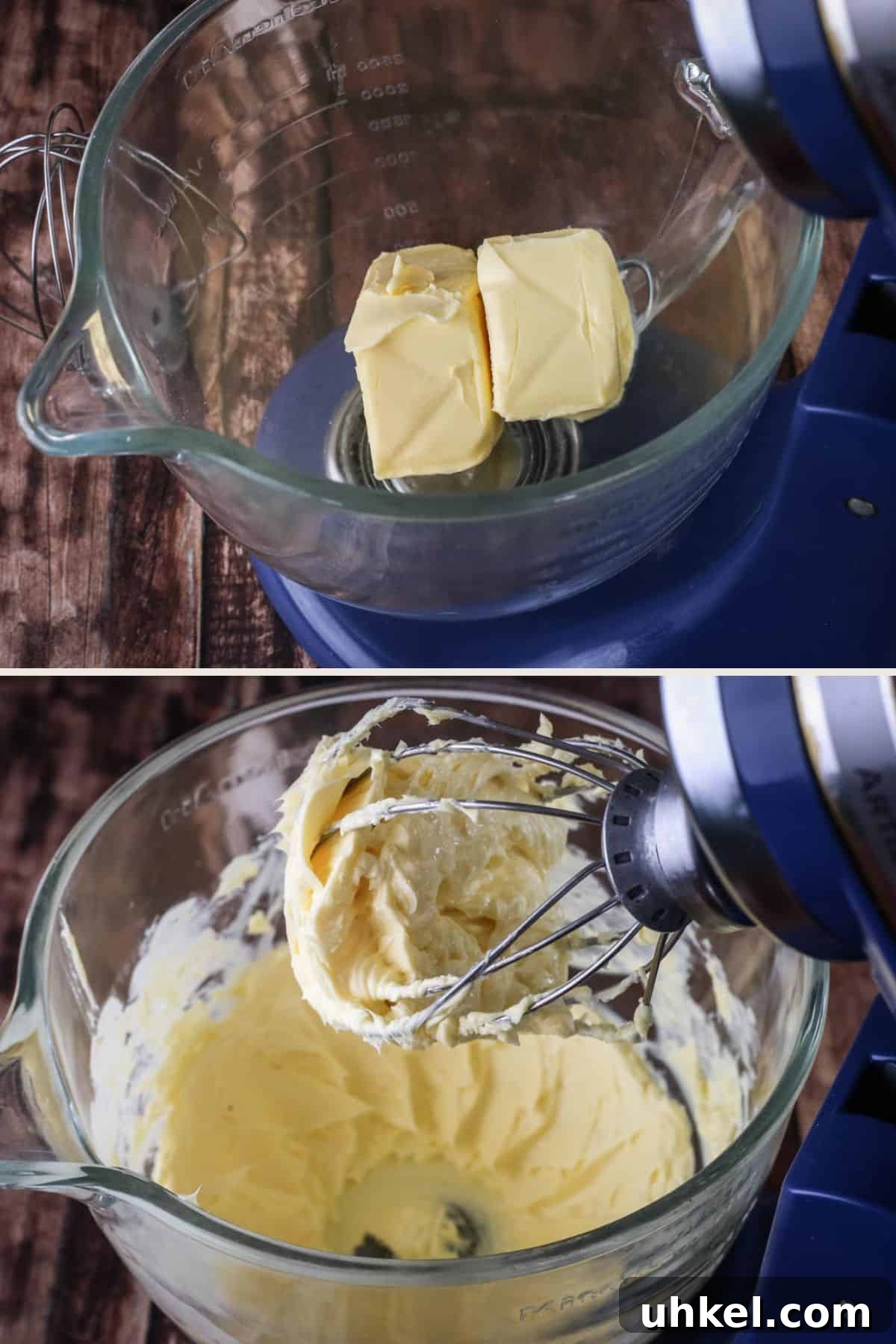
Place softened unsalted butter in the bowl of a stand mixer and whip on medium speed until ultra creamy (about 5–6 minutes), scraping the bowl occasionally.
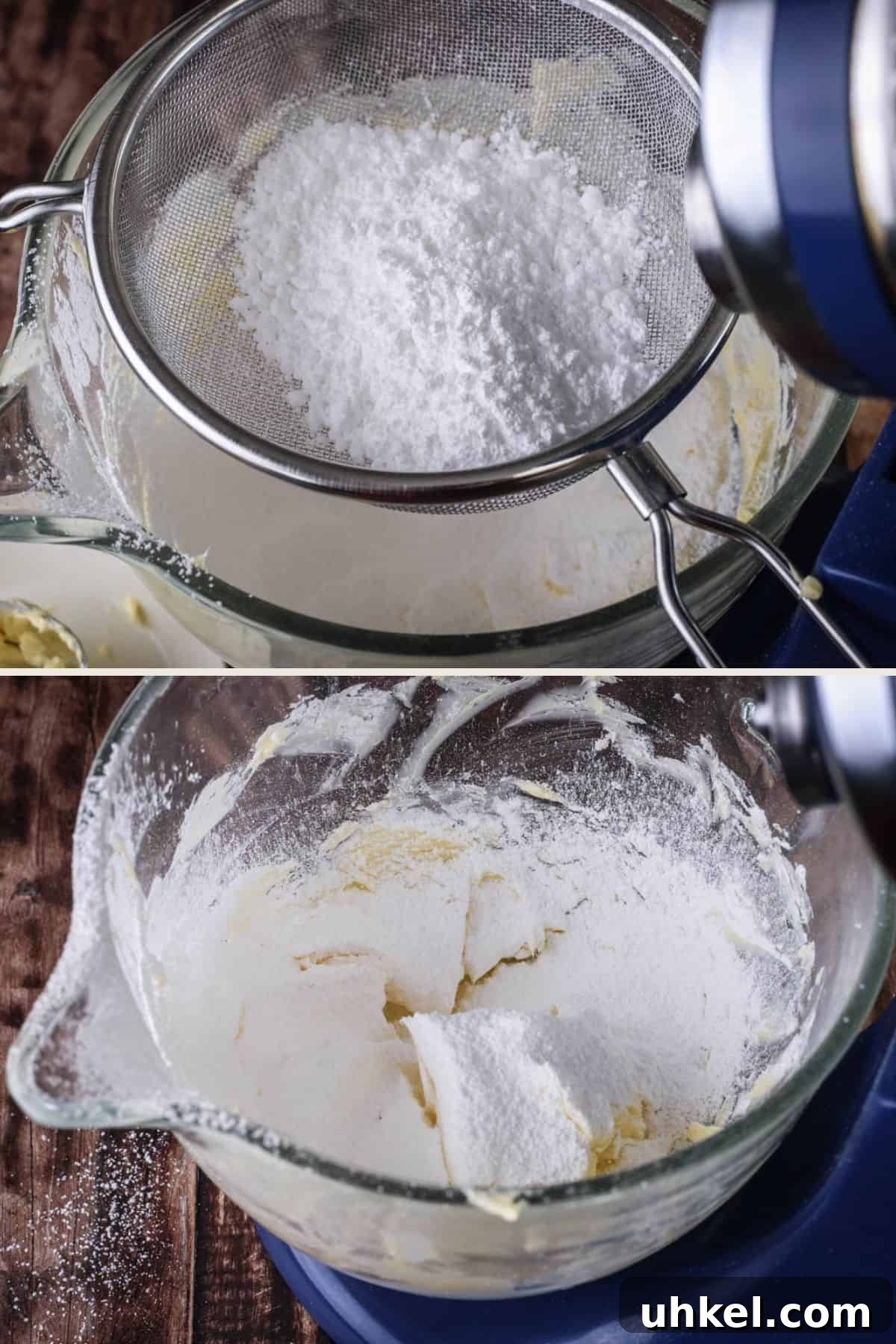
Sift in the icing sugar one cup at a time, bringing the bowl out to scrape down between additions. Once all the sugar is in, mix on the lowest speed for 6–7 minutes to achieve an ultra-smooth, airy buttercream.
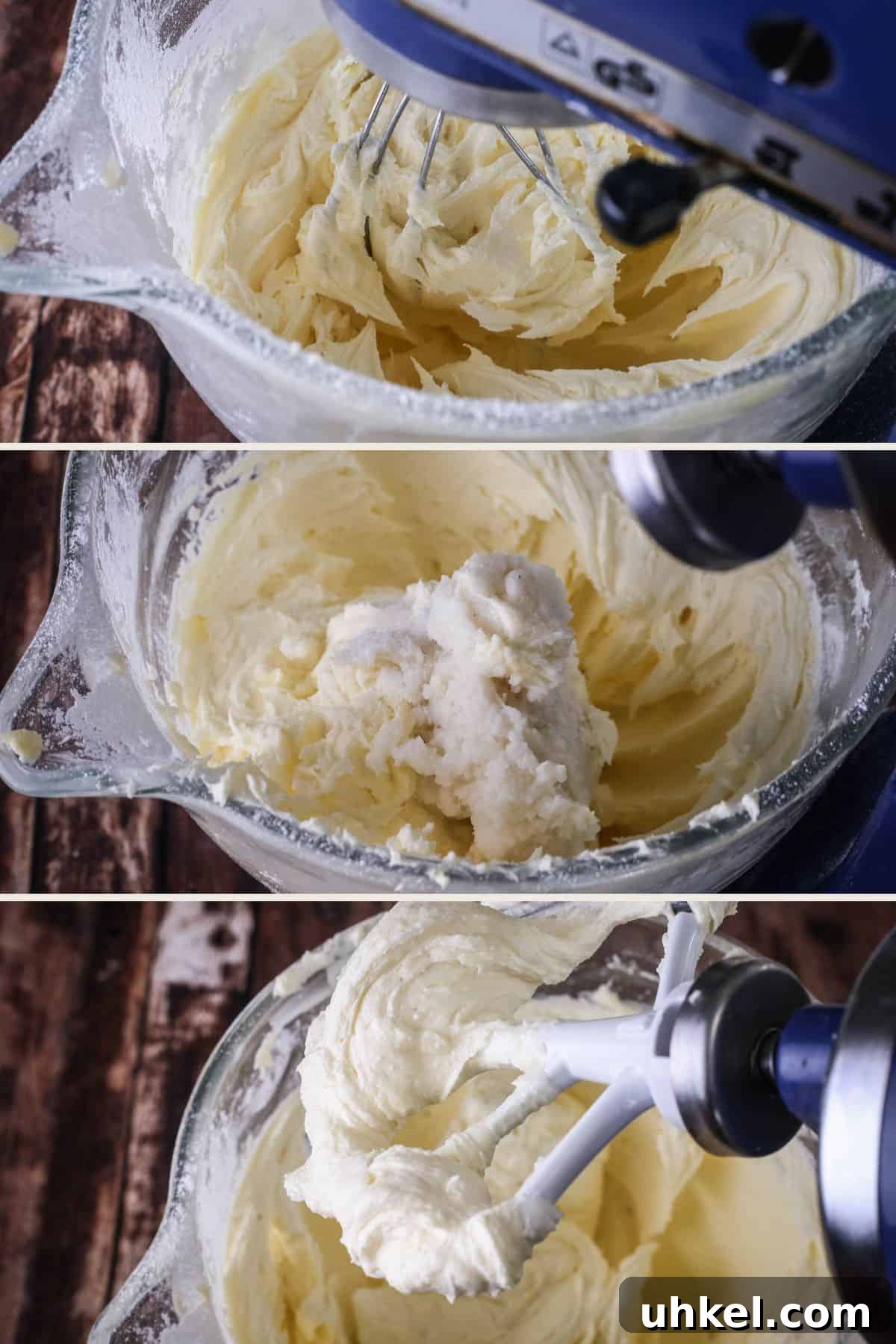
Mix in the creamed coconut paste, salt and rice vinegar and whisk for a final 2 minutes so the buttercream is light, balanced and not overly sweet.
Assembly
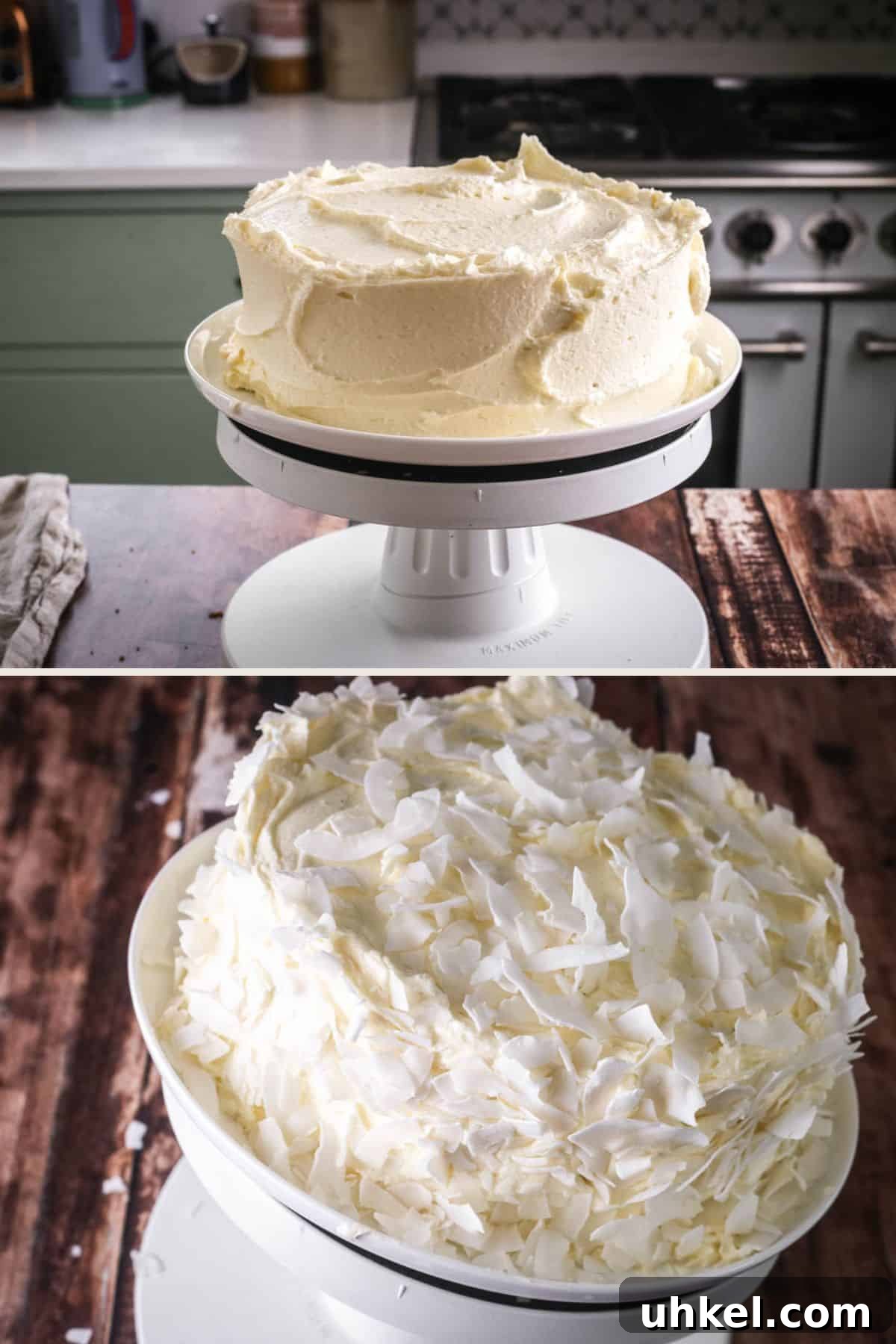
Place one sponge on a 20cm (8 inch) cake board or serving plate (a cake turntable helps) and spread a quarter of the buttercream evenly over the surface.
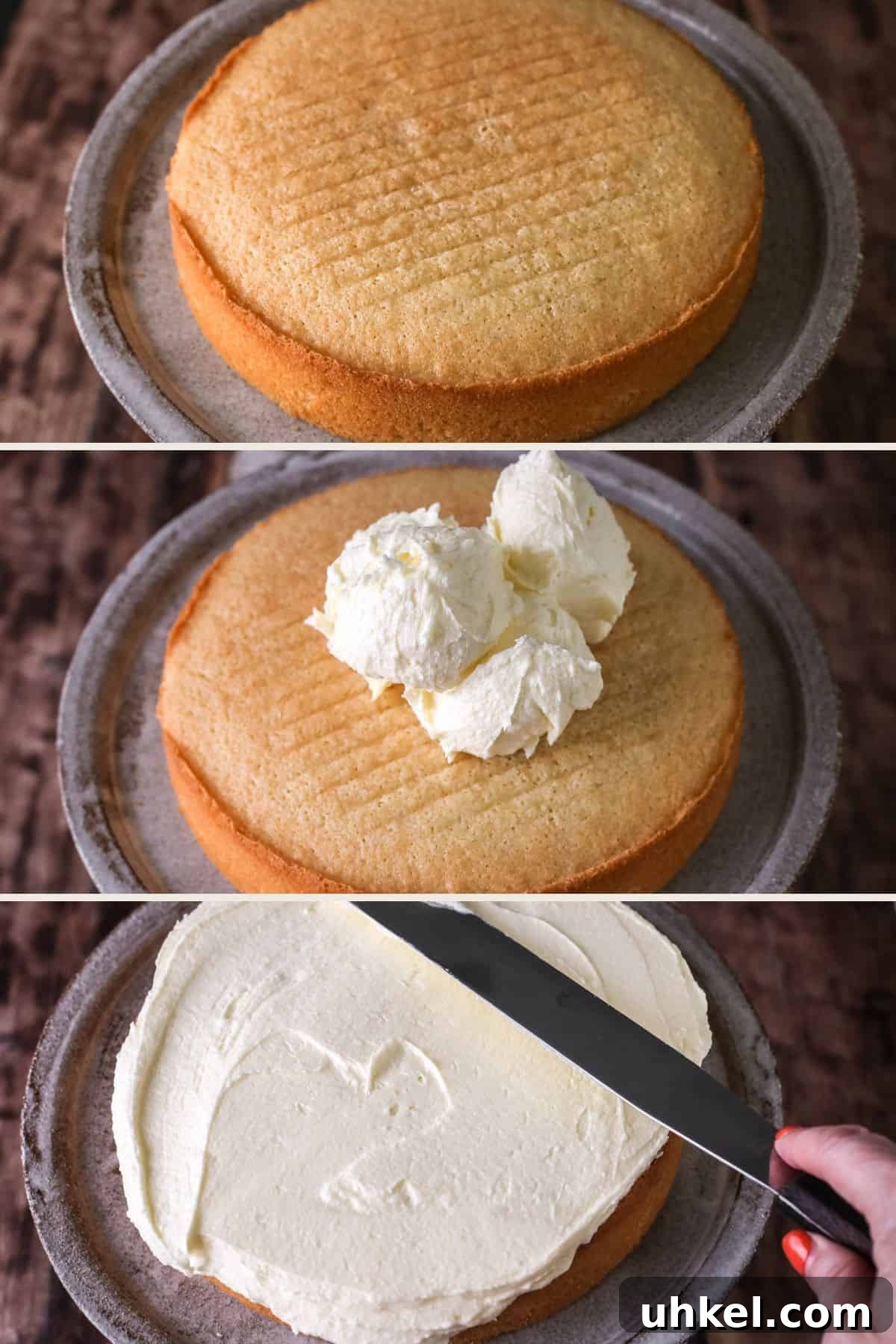
Place the second sponge on top, spread the remaining buttercream over the top and sides, smoothing carefully.
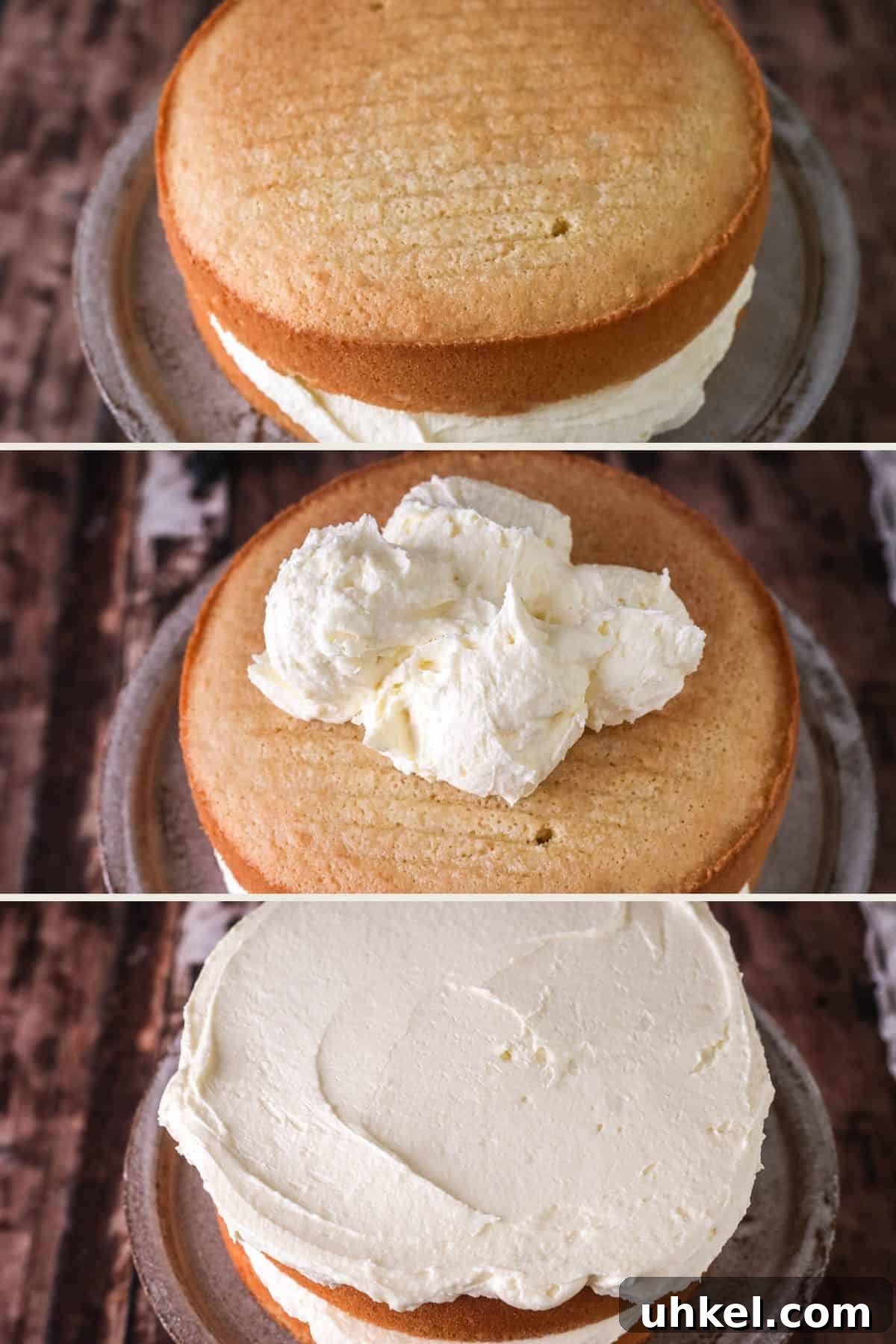
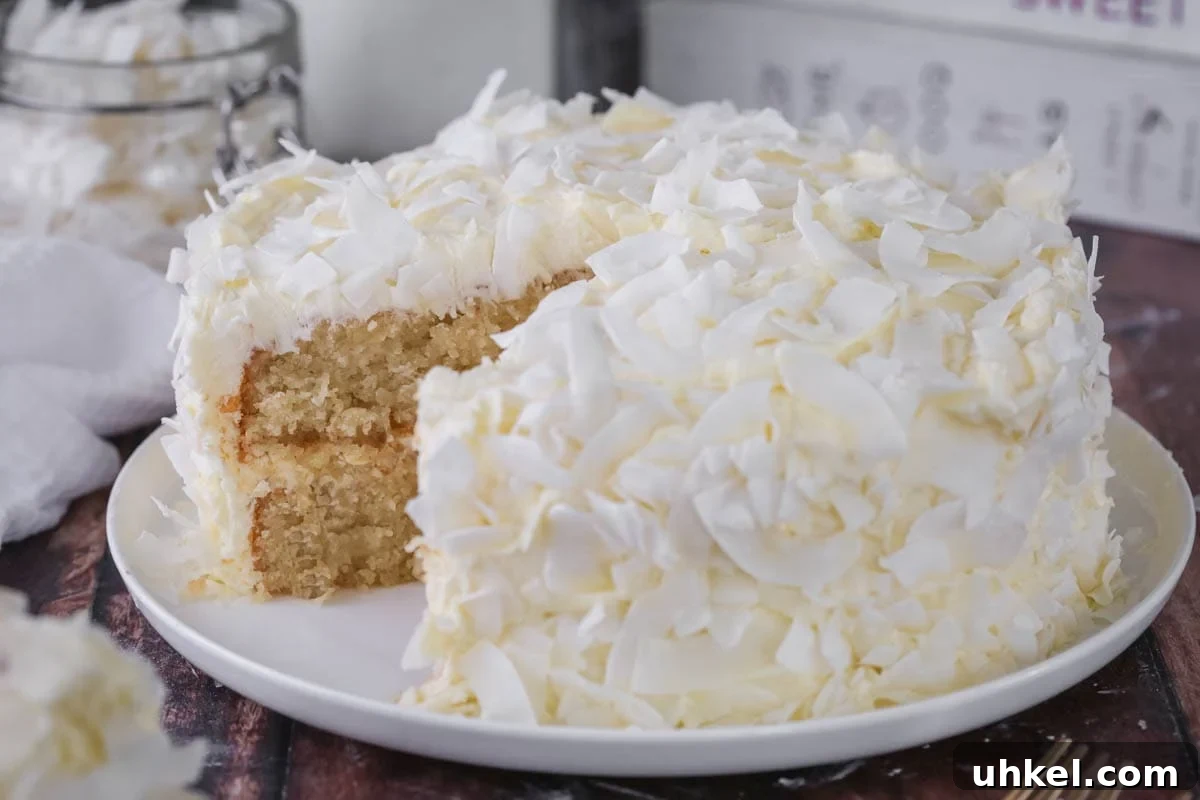
Press coconut flakes all over the cake to decorate. If using a tilted cake turntable, tilt and press flakes onto the sides for an even finish.
Tips & Troubleshooting
Allow the batter to rest 5–10 minutes before pouring into the tins so the coconut flour hydrates fully. Stir once more before dividing between tins.
When baked, the sponges should be golden and just pulling away from the sides of the tins. Test for doneness with a skewer: it should come out clean of wet crumbs.
This cake holds a good amount of moisture; cool completely before serving to avoid any gummy texture.
Decorating is easier with a tilting cake turntable: press the flakes into the buttercream while tilting to cover the sides evenly.
Make Ahead
Store the finished cake in an airtight container in a cool, dark place for up to 3 days. If your environment is warm, refrigerate and allow the cake to come to room temperature for at least an hour before serving.
Freezing
For best results freeze the sponges separately and assemble on the day you serve.
Sponge cakes: Freeze cooled sponges for up to 3 months. Wrap tightly in cling film and then in aluminium foil. Thaw overnight at room temperature before decorating.
Individual slices: Flash-freeze slices on a tray for 6–8 hours, then wrap each slice in cling film and store in an airtight container. Thaw wrapped slices for 1–2 hours at room temperature.
Whole cake: You can freeze the iced cake (before adding flakes). Chill to firm the buttercream, double wrap and freeze for up to two months. Defrost in the fridge, bring to room temperature, then add the coconut flakes and serve.
FAQs
Yes. Substitute the coconut flour, almond flour and tapioca in equal proportion with a tested homemade gluten-free flour blend if you prefer not to use coconut flour.
Coconut flour absorbs a lot of moisture. If used alone it can dry out bakes. This recipe balances coconut flour with almond and tapioca flour to retain moisture and avoid a dense crumb.
The cake itself can be dairy-free, but the buttercream uses dairy butter. Substitute with a plant-based block butter and plant milk to make the buttercream dairy-free, noting plant-based butter can be softer and may affect texture.
More Gluten-Free Cake Recipes You’ll Love
Gluten-Free Lime & Coconut Loaf Cake is a moist, zesty drizzle cake with a frosted coconut topping.
Chocolate Coconut Banana Bread is an indulgent gluten-free loaf with chocolate and coconut, moist from ripe bananas and finished with a glossy chocolate topping and coconut flakes.
Gluten-Free Carrot Cake is a spiced, moist and fluffy sponge filled with shredded carrots and paired with a dreamy cream cheese buttercream.
Gluten-Free Coconut Cake
Ingredients
- 60 g creamed coconut
- 250 g water
- 60 g desiccated coconut
- 300 g caster sugar
- 240 g coconut oil
- 6 eggs (medium)
- 160 g almond flour (ground almonds)
- 80 g coconut flour
- 60 g tapioca flour
- 2 teaspoons baking powder
- ½ teaspoon salt
Coconut Buttercream
- 800 g icing sugar
- 500 g unsalted butter, softened
- 60 g whole milk
- 100 g creamed coconut
- ½ teaspoon kosher salt
- 2 teaspoons rice vinegar
- 90 g coconut flakes (raw coconut slices)
Instructions
- Preheat the oven to 180°C / 160°C fan / gas mark 4 / 350°F. Grease and line two 20cm (8 inch) round cake tins.
- Pour 250 g just-boiled water into a jug and whisk in the 60 g creamed coconut and 60 g desiccated coconut until dissolved. Set aside to rest.
- Whisk the sugar, coconut oil and eggs together in a large bowl until fully combined.
- Whisk the almond flour, coconut flour, tapioca flour, baking powder and salt in a separate bowl.
- Add the dry mix and the coconut mixture alternately to the wet mix in two additions, stirring to combine.
- Divide batter between tins and bake for 35 minutes, or until golden and a skewer comes out clean. Cool in tins for 5 minutes, then transfer to racks to cool completely.
Coconut Buttercream
- Warm 60 g milk until just under boiling and whisk in 100 g creamed coconut to form a thick paste. Set aside.
- Whip 500 g softened unsalted butter in a stand mixer until very creamy (about 5–6 minutes).
- Sift in the 800 g icing sugar one cup at a time, scraping the bowl between additions. Mix on low for 6–7 minutes once all sugar is incorporated.
- Add the creamed coconut paste, ½ teaspoon salt and 2 teaspoons rice vinegar and mix for 2 minutes to finish the buttercream.
Assembly
- Place one sponge on a cake board or plate and spread ¼ of the buttercream over it.
- Top with the second sponge and cover the top and sides with the remaining buttercream.
- Press coconut flakes over the top and sides to decorate, using a tilted turntable if available for an even finish.
Notes
Coconut oil: Swap for light olive oil or vegetable oil if preferred.
Almond flour swap: For a nut-free version try 100 g sweet rice flour, 80 g coconut flour, 60 g tapioca starch and 60 g white rice flour.
Eggs: Medium eggs are used; weigh if unsure.
Buttercream: This recipe makes a generous amount; leftover buttercream freezes well.
Storing: Store in an airtight container in a cool place for up to 3 days, or refrigerate if your kitchen is warm. Bring to room temperature before serving.
Freezing: Best to freeze sponges separately and assemble after thawing. Wrap sponges tightly in cling film and foil.
Measurements: The recipe is tested using metric weights for accuracy—use a digital scale where possible.
Nutrition
Carbohydrates: 82 g
Protein: 6 g
Fat: 61 g