
Easy Easter sugar cookies decorated with royal icing. These sweet, buttery, vanilla-flavoured cookies are crisp at the edges and soft in the centre. They make a beautiful and tasty treat for family and friends over the Easter holidays.
Decorating cut-out cookies is a fun activity for kids and adults alike. Coloured royal icing gives them a bright, polished finish and turns them into a delightful gift.

What I love most about this dough is its versatility. The same base works for seasonal or special-occasion bakes — I use it for heart sandwich cookies at Valentine’s and for birthday sugar cookies. Change the cookie cutters and you can make treats for Easter, Christmas, Halloween or any celebration. The dough is quick to prepare, can be made ahead and freezes well.
Ingredients
Simple, everyday ingredients are all you need:
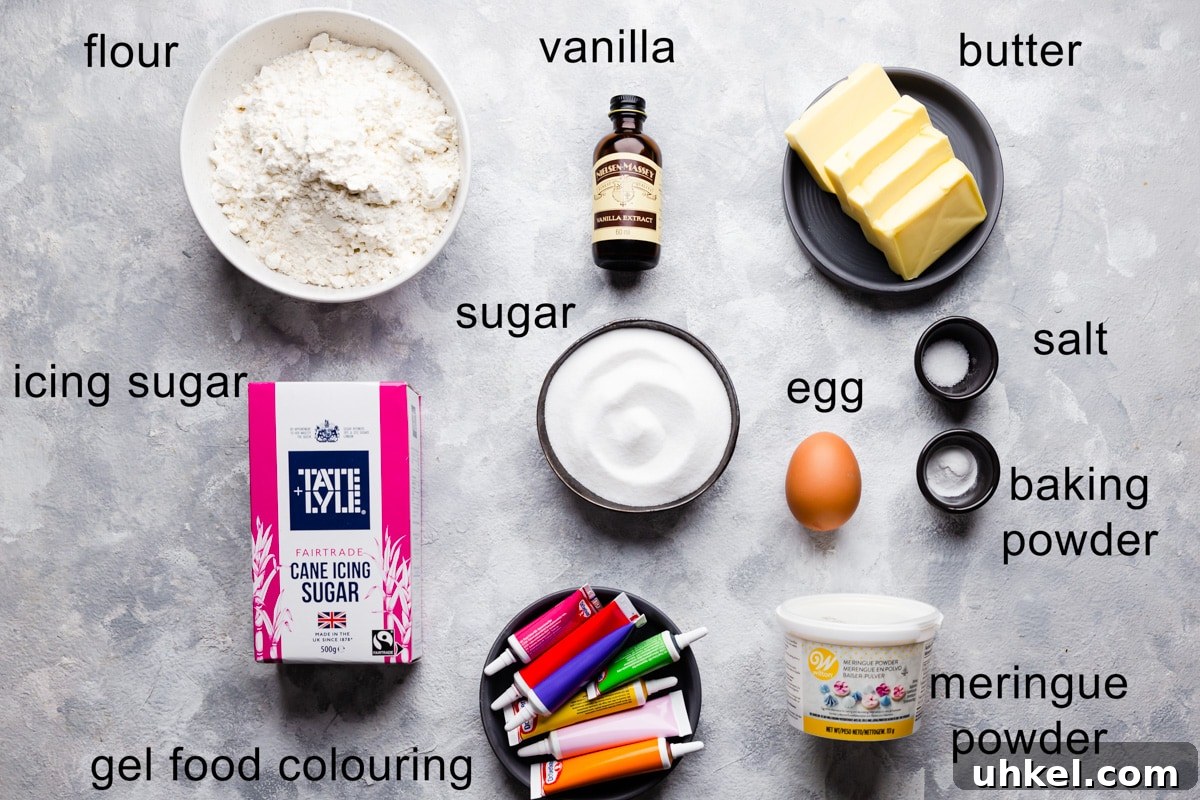
- Flour – plain / all-purpose flour.
- Sugar – caster sugar is ideal; granulated works too.
- Butter – unsalted, at room temperature.
- Vanilla – good-quality vanilla extract for flavour.
- Egg – one large egg, room temperature.
- Baking powder.
- Salt.
For decorating, I use pastel-coloured royal icing. It’s sturdy enough for piping borders and for flooding the cookies.
To make the royal icing you will need:
- Royal icing sugar – sift it to remove lumps. See substitutions below if it’s unavailable.
- Gel food colourings – gels give more concentrated colour without thinning the icing.
Instructions
Watch the video in the recipe card to see the full process.
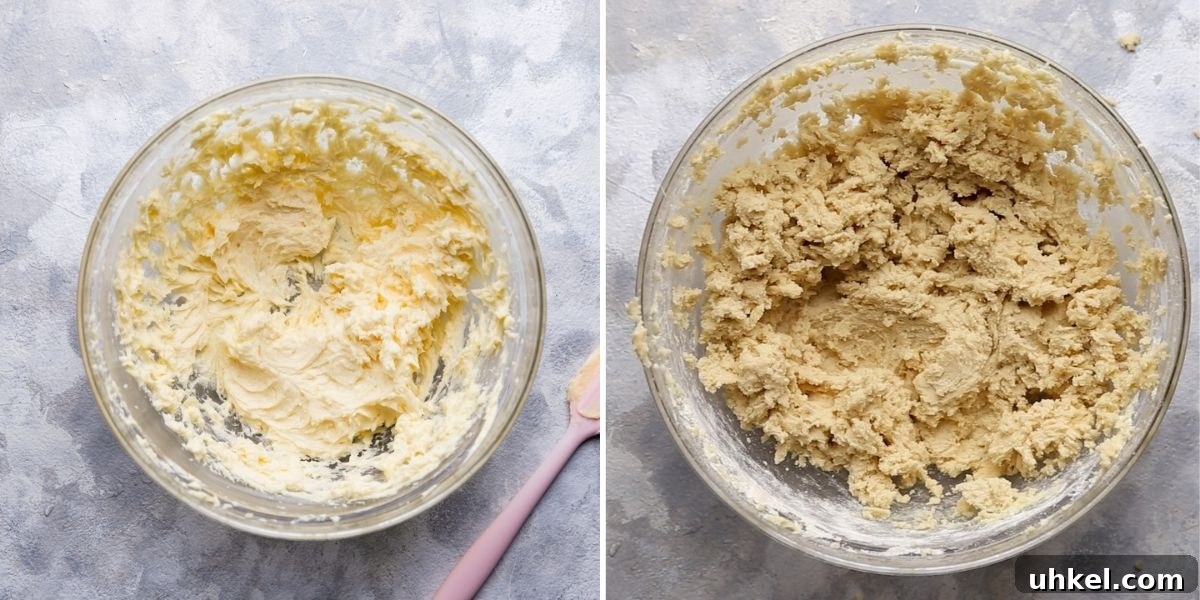
Cream the butter on medium-high speed until pale and fluffy, about 2 minutes. Add the sugar and beat for another 2 minutes. Add the egg and vanilla, then mix in the dry ingredients until combined.
Divide the dough in two. On a lightly floured surface (or a silicone mat), roll each portion between sheets of baking paper to about 5mm thick. Cover and chill in the fridge for at least a couple of hours or ideally overnight.
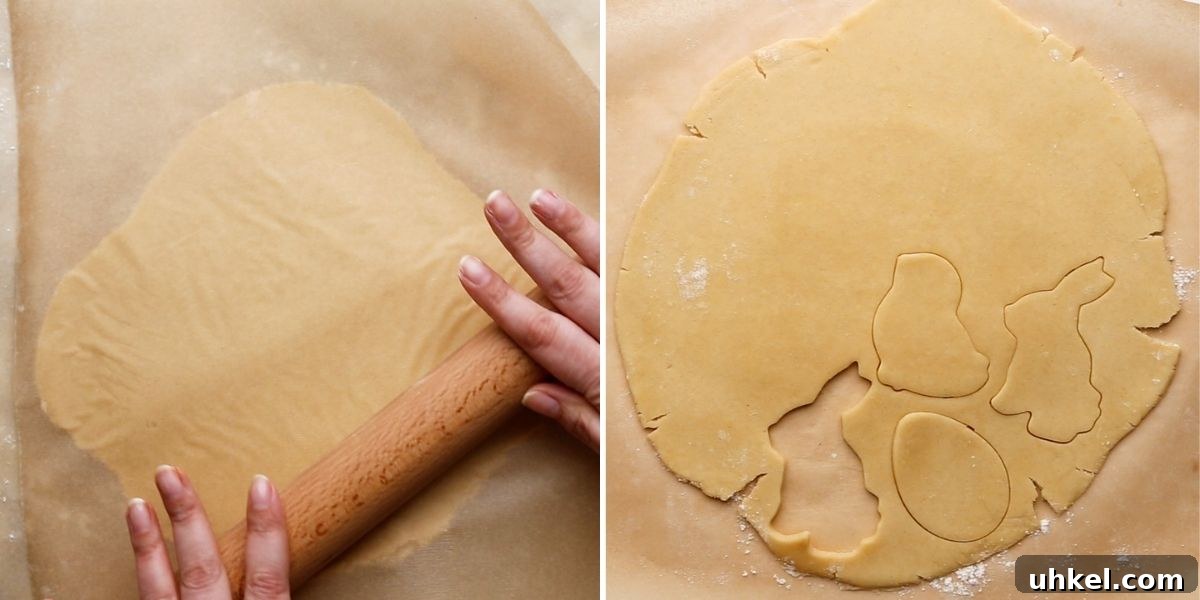
When chilled, cut shapes with cookie cutters and place them on baking sheets. Re-roll scraps and continue until the dough is used. Bake for about 10 minutes, or until the edges begin to brown.
Hint: If the dough becomes soft, chill it for 30–40 minutes. You can also cut shapes from chilled dough and chill the cut cookies on the tray before baking to help them keep their shape.
Decorating cookies
Allow cookies to cool completely before decorating. Royal icing works well for outlining and flooding.
Divide the icing into bowls, colour with gel food colouring, and transfer each colour into a piping bag. Snip a tiny tip or use a small round nozzle.
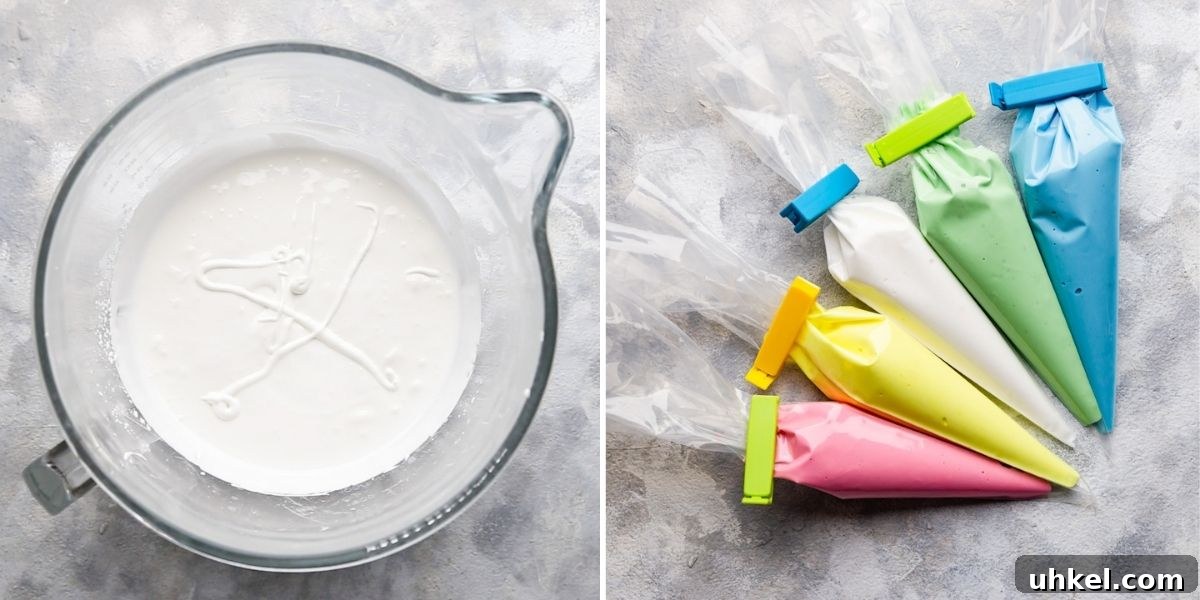
Pipe a border around each cookie and let it set for a few minutes. Then flood the interior, working consistently from top to bottom or from edges toward the centre. Use a toothpick or skewer to nudge icing into missed spots and gently tap the cookie to level the surface.

Let the icing dry completely before adding additional colours or fine details. Black food gel works well for tiny eyes or facial features.

Substitutions
Sugar – granulated sugar may be used instead of caster.
Vanilla extract – swap for almond extract if preferred.
Egg – a medium egg works in place of a large egg.
Royal icing sugar – if unavailable, combine 480g icing (powdered) sugar with 3 tablespoons meringue powder and 9–10 tablespoons room-temperature water. Alternatively, mix 460g sifted icing sugar with about 6 tablespoons raw egg whites (roughly 3 egg whites) and beat until smooth.

Variations
Dairy-free – use a dairy-free butter substitute and follow a dairy-free sugar cookie recipe.
Gluten-free – swap in a quality gluten-free flour blend and ensure baking powder is gluten-free.
Plain cookies – enjoy them without icing — they’re just as delicious.
Flavoured cookies – replace vanilla with almond, lemon or orange extract, or add grated citrus zest to the dough.
Chocolate-dipped – dip cooled cookies in melted dark or milk chocolate and add sprinkles if desired.

Equipment
- Freestanding or hand-held electric mixer.
- Rolling pin.
- Baking paper or silicone mat.
- Cookie cutters (eggs, bunnies, chicks).
- Piping bags or zip-lock bags with a corner snipped.
- Toothpicks or skewers.
Storage & Freezing
Store plain or decorated cookies in an airtight container at room temperature for up to 6–7 days. Freeze plain or decorated cookies for up to 3 months.
If freezing iced cookies, allow icing to dry completely, layer with baking paper, and freeze in a suitable container. Thaw at room temperature overnight.
Cookie dough freezes well for up to 3 months. Divide into halves, flatten each into a disc, wrap tightly, and freeze. Thaw in the fridge, bring to room temperature for about 45 minutes, roll to 5mm thickness, then chill for an hour before cutting and baking.

Royal icing can be made 2–3 days ahead. Store in a sealed container in the fridge, bring to room temperature and whisk before use. To freeze icing, squeeze it into a zip-lock bag with as much air removed as possible; thaw in the fridge or at room temperature.
FAQ’s
What’s the difference between royal icing and glaze icing?
Glaze icing is made from icing sugar and water and is softer and more prone to cracking. Royal icing contains powdered egg whites or meringue powder, sets harder and faster, and gives a shinier, neater finish.
Can I use glaze icing instead?
Yes, but it will be thinner and less suited for detailed piping and structured decorations.
What is meringue powder?
Meringue powder is a blend of dried egg whites and stabilisers used to make royal icing and to stabilise frostings.
My dough is too sticky — what should I do?
Add a tablespoon of flour at a time, chill the dough, or roll between sheets of baking paper to prevent sticking.
How do I ensure even thickness?
Use a rolling pin with thickness guides or bands to roll the dough evenly.
Why did my cookies spread?
They likely weren’t chilled long enough. Chilling solidifies the butter so cookies hold their shape during baking.

Top tip
If the dough is sticky, chill it for 30–60 minutes. Work with smaller amounts of dough and keep unused portions refrigerated. Rotate trays halfway through baking for even colouring. Keep piping bag tips clean between cookies for neat results.

If you try this recipe, please rate it or leave a comment — I love hearing from you and it helps other readers decide to try the recipe.
📖 Recipe

Easter Sugar Cookies
1 hr
10 mins
3 hrs
4 hrs 10 mins
30 cookies
Equipment
- Hand-held or freestanding mixer with paddle attachment
- Mixing bowls
- 2 baking trays
- Cookie cutters
- Baking paper or silicone mat
- Piping bags
- Toothpicks or skewers
Ingredients
For the sugar cookies:
- 280 g plain, all-purpose flour
- ½ tsp baking powder
- ¼ tsp salt
- 170 g unsalted butter, softened
- 150 g caster or granulated sugar
- 1 large egg
- 1 tsp vanilla extract
For the icing:
- 500 g royal icing sugar, sifted
- 9–10 tbsp room-temperature water
Instructions
For the cookies:
- Whisk together flour, baking powder and salt. Set aside.
- Beat butter on medium-high until pale and fluffy, about 2 minutes. Add sugar and cream for 2 more minutes. Add egg and vanilla, beating until combined.
- Mix in the flour mixture on low speed until just combined.
- Divide dough in two. Roll each portion between baking paper to 5mm thickness, cover and chill at least 1–2 hours or overnight.
- Preheat oven to 180°C (160°C fan). Line trays with baking paper. Cut shapes from chilled dough, re-rolling scraps as needed.
- Bake on the middle shelf for about 10 minutes, rotating halfway. Cookies are ready when edges are lightly brown. Cool on the tray for 5 minutes, then transfer to a rack to cool completely.
For the royal icing:
- Beat sifted royal icing sugar with water for about 2 minutes. The icing should drizzle down and smooth out within 10–12 seconds when lifted.
- If the icing is too thick, add water a teaspoon at a time. If too thin, add more sifted icing sugar.
- Divide icing into bowls, tint with gel colours, and transfer to piping bags with small openings.
- Pipe borders, let set briefly, then flood the cookies. Use a toothpick to fill gaps and tap cookies to level the icing. Allow to dry completely before adding more details.
Note: recipes are developed and tested using metric grams. Using a digital scale gives the most accurate results. Conversions to US customary are provided but not personally tested.
Notes
- If royal icing sugar is not available, use 480g powdered sugar with 3 tbsp meringue powder and 9–10 tbsp water, or 460g sifted icing sugar with about 6 tbsp raw egg whites.
- Roll dough between baking paper to prevent sticking. Chill sticky dough for 30–40 minutes.
- For piping, use thin round nozzles or snip a very small opening in the bag for fine lines.
- Let cookies cool completely before decorating and let icing dry between layers.
Storing and freezing:
Plain or decorated cookies keep in an airtight container at room temperature for up to 7 days and can be frozen for up to 3 months. Freeze iced cookies with baking paper between layers.
Cookie dough: Freeze in discs for up to 3 months. Thaw in the fridge, bring to room temperature for 45 minutes, roll, then chill before cutting and baking.
Royal icing: Make 2–3 days ahead, store sealed in the fridge, bring to room temperature and whisk before use. To freeze, place icing in a zip-lock bag with the air removed and thaw in the fridge.
Nutrition
Tell me how you liked it—leave a comment or share a photo and tag @anna_wierzbinska on Instagram. I love seeing your versions of my recipes!
This recipe was originally published in March 2020 and updated with new photos, video and tips in March 2022.