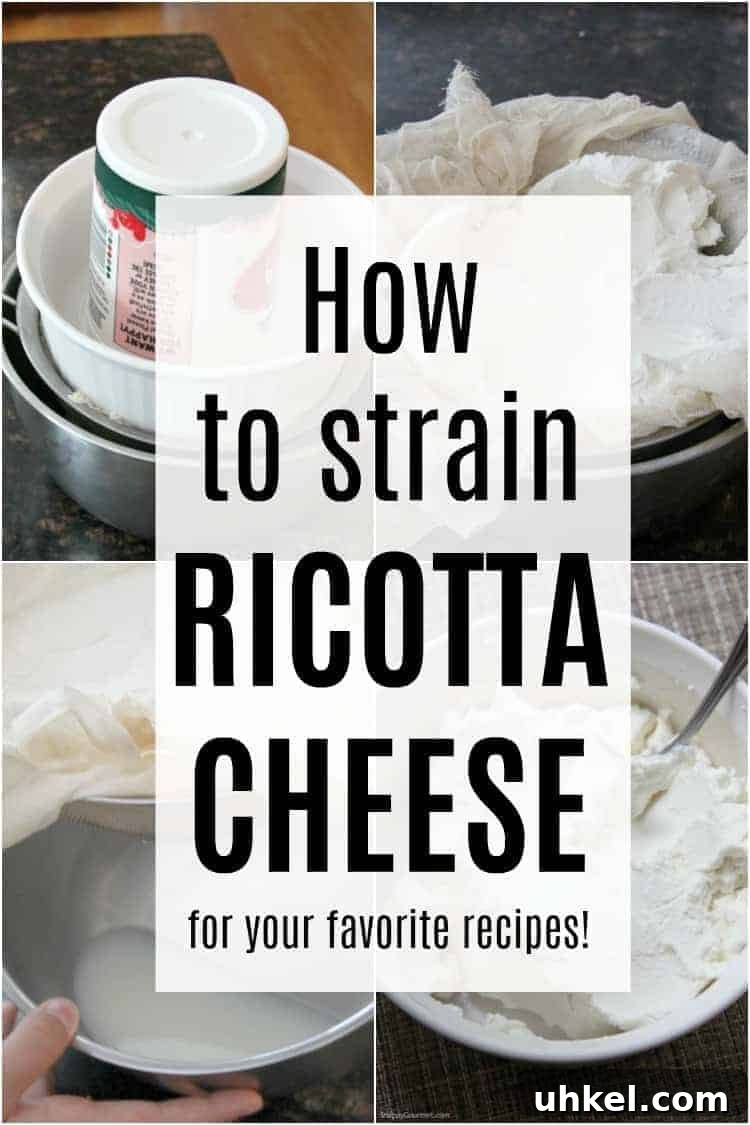
Learn how to strain ricotta cheese to remove excess liquid and thicken it for better results in your favorite recipes. Plus, get ideas for using strained ricotta.
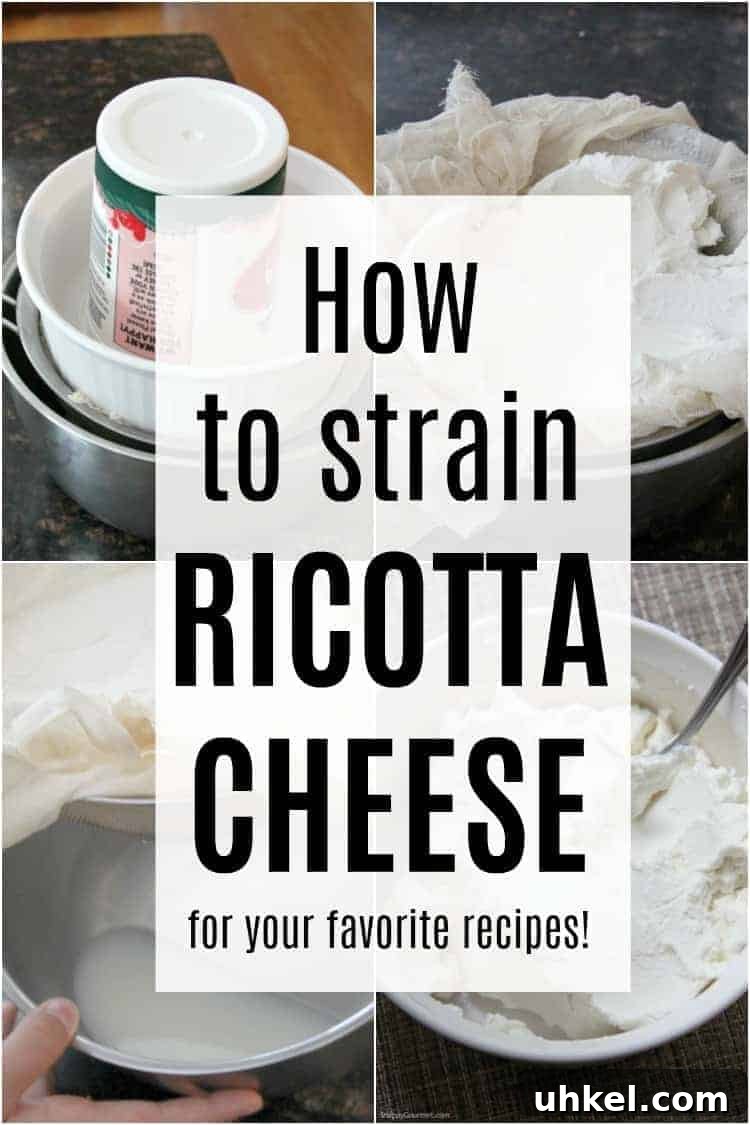
You may have noticed several cannoli-inspired recipes here. I often get asked how to strain ricotta cheese. Draining off excess whey produces a firmer ricotta that works better in fillings, frostings, dips, and baked dishes.
What Is Ricotta Cheese
Ricotta is an Italian whey cheese traditionally made from the leftover whey of other cheeses. It can be produced from the whey of cow, sheep, goat, or water buffalo milk. The ricotta found in grocery-store tubs — the kind most home cooks buy — varies by brand and texture, but is the type this guide covers.
What Do You Need To Strain Ricotta Cheese
- Ricotta cheese (store-bought tubs)
- Cheesecloth or sturdy paper towels
- Strainer or colander
- Bowl (or two)
- Something heavy to press on top (a small bowl, can, or similar weight)
How To Strain Ricotta Cheese
-
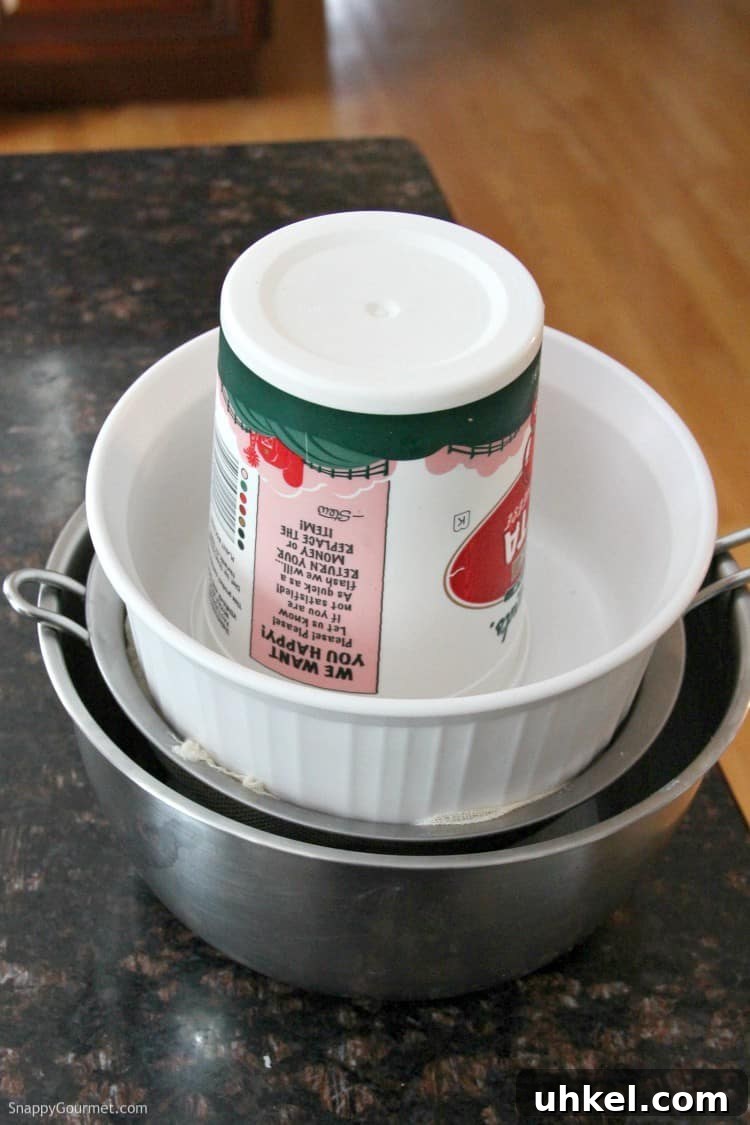
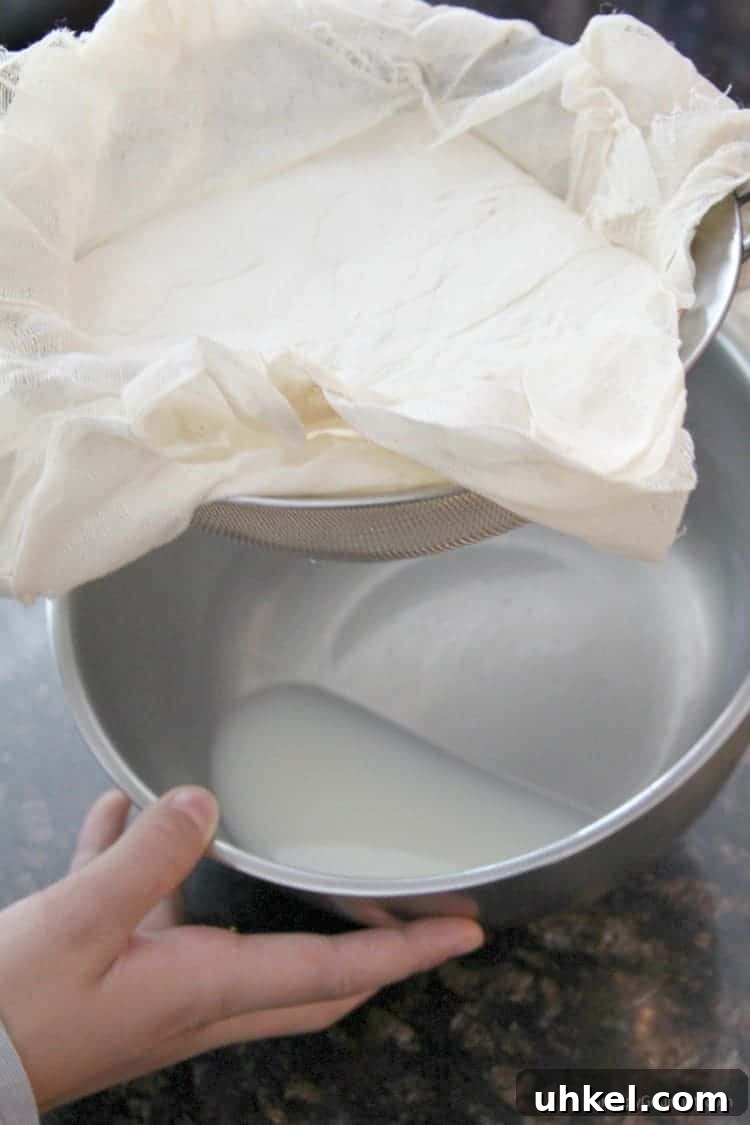
Set a strainer or colander over a large bowl so there’s at least an inch or two of space between the strainer and the bottom of the bowl.
-
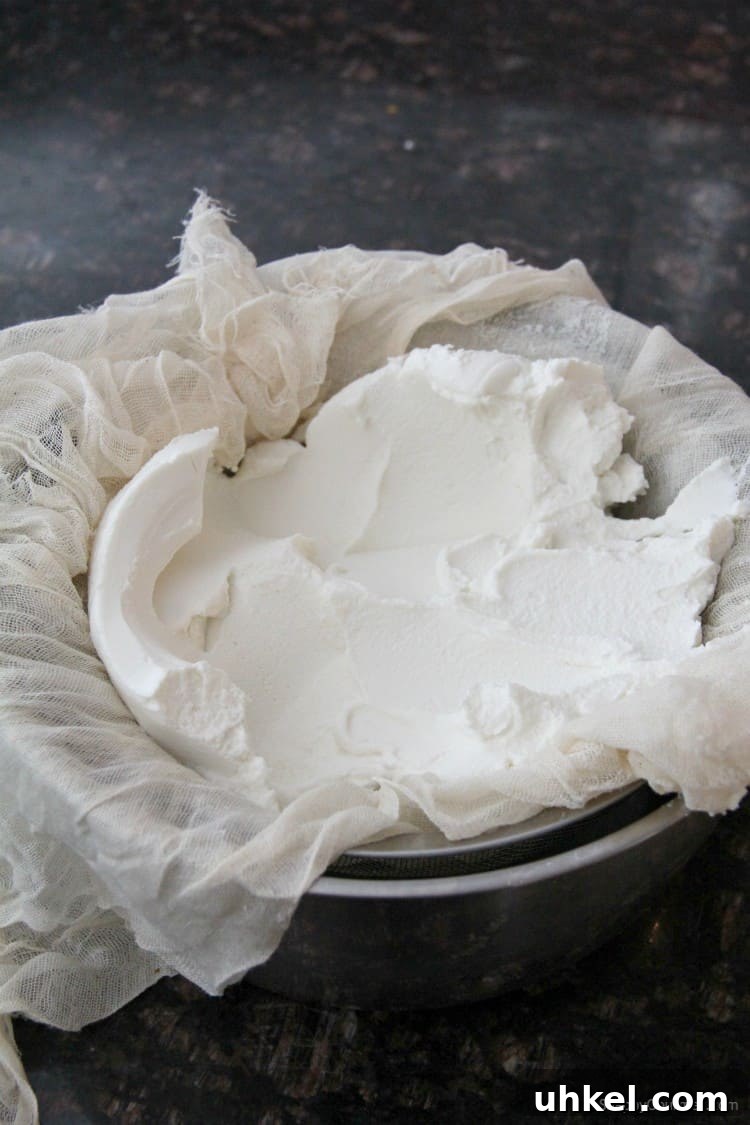
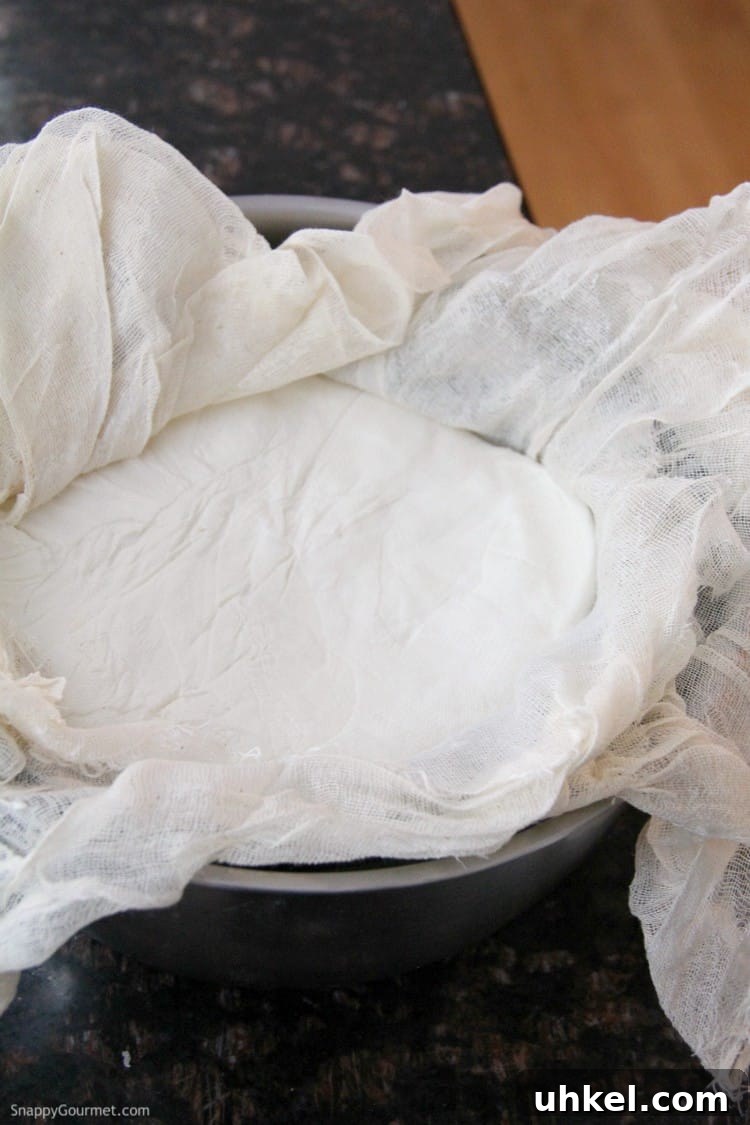
Line the strainer with several layers of cheesecloth or sturdy paper towels. Spoon the ricotta into the center and gather the cloth around it to enclose the cheese.
-
Place a weighted object on top of the wrapped ricotta—something flat and heavy like a small bowl with a weight inside or another container—to gently press out the liquid.
-
Refrigerate for at least 4 hours; overnight is better. After chilling, gently squeeze the cloth to encourage any remaining liquid to drain into the bowl, then discard the drained whey and use the thicker ricotta as desired.
(A printable recipe card is usually included with posts like this.)
Strained ricotta is versatile. Here are simple ideas to use it — no full recipes required.
What To Do With Ricotta Cheese
- Pasta: Stir a spoonful into hot pasta for creaminess, use in lasagna layers, or fill homemade ravioli.
- Cannoli: Make a rich cannoli filling by sweetening and flavoring the thicker ricotta.
- Sauces: Blend a bit into tomato or cream sauces to mellow acidity and add richness.
- Spreads and dips: Mix with herbs, lemon, or spices for a spreadable dip on crostini or vegetable sticks.
- Sandwiches: Use strained ricotta instead of mayo or softened cheese for a lighter spread.
Quick Tips for Best Results
- Use a few layers of quality cheesecloth or durable paper towels so the ricotta is contained while allowing liquid to pass through.
- Choose a ricotta you like; brands vary in moisture and flavor, which affects the final texture.
- Pick a strainer with plenty of holes so whey drains freely and doesn’t pool under the cheese.
- Longer draining yields firmer ricotta — overnight draining gives the best results for spreads, fillings, and frostings.
Ricotta Cheese FAQ
Are there different types of ricotta cheese?
Yes. Ricotta comes in several varieties and can be made at home. Store-bought tub ricotta (commonly made from cow’s milk) is what most people purchase and what this guide addresses. Other forms include ricotta impastata, often used in pastries, and ricotta salata, a salted, pressed, and aged variety used for grating or crumbling.
Is ricotta cheese pasteurized?
Most commercially available ricotta in the U.S. is made from pasteurized milk, but always check the product label for specifics.
Is ricotta cheese gluten-free?
Ricotta is generally naturally gluten-free, although you should verify ingredient labels for any added flavorings or stabilizers if you need strict gluten-free assurance.
Can ricotta cheese be frozen?
You can freeze ricotta, but freezing often alters the texture, making it grainier. Frozen-and-thawed ricotta can still work well in cooked dishes but may be less ideal for fresh spreads or delicate desserts.
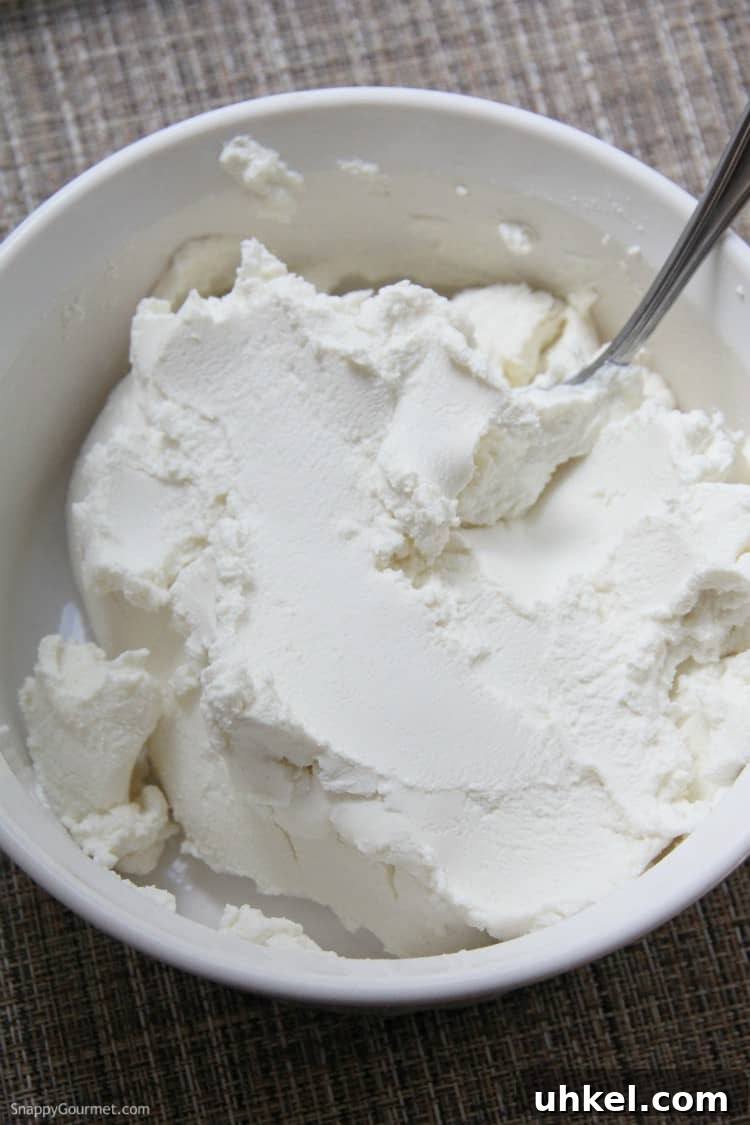
Strained ricotta is especially helpful for cannoli-style desserts and frostings. Thicker ricotta creates a more stable filling and better texture in many sweet and savory applications.
Cannoli-Inspired Recipes With Ricotta Cheese You May Enjoy
- Cannoli Cake — a layered dessert that benefits from thick ricotta-based frosting.
- Best Cannoli Dip — thicker ricotta makes a creamier, sturdier dip.
- Chocolate Cannoli Dip — a chocolate twist on the classic sweet dip.
- Cannoli Cinnamon Rolls — a hybrid pastry using cannoli-style ricotta filling or frosting.
- Cannoli Poke Cake — a layered cake topped with a thick ricotta-based topping.
If you enjoy kitchen how-tos, other guides cover basics like baking cookies and quick pickling for easy overnight pickled onions.
How to Strain Ricotta Cheese
Ingredients
- Ricotta cheese
Instructions
-
Place a strainer or colander over a large bowl so there is space below the strainer.
-
Line the strainer with several layers of cheesecloth or strong paper towels, spoon in the ricotta, and fold the cloth around it.
-
Set a weight on top of the wrapped ricotta to press out liquid.
-
Refrigerate at least 4 hours or overnight. Squeeze gently if needed, discard drained liquid, and use the thicker ricotta.
Notes
SNAPPY SUBSTITUTIONS: If you don’t have cheesecloth, sturdy paper towels work. A lettuce spinner can substitute for a colander in some cases.
(Nutrition data, when shown, is for informational purposes only and should be calculated based on the specific ingredients and brands you use.)