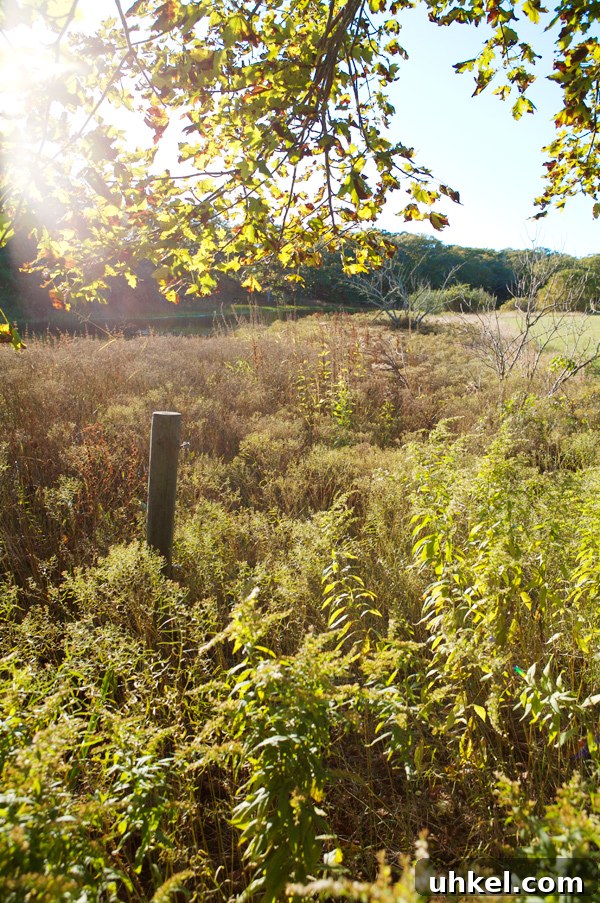
I’d been planning a long weekend on Martha’s Vineyard for some time, ever since we returned from France in late August. I knew we’d wait until the summer crowds had thinned and the island settled into a quieter rhythm, punctuated only by the lives of locals and the occasional visitors like us.
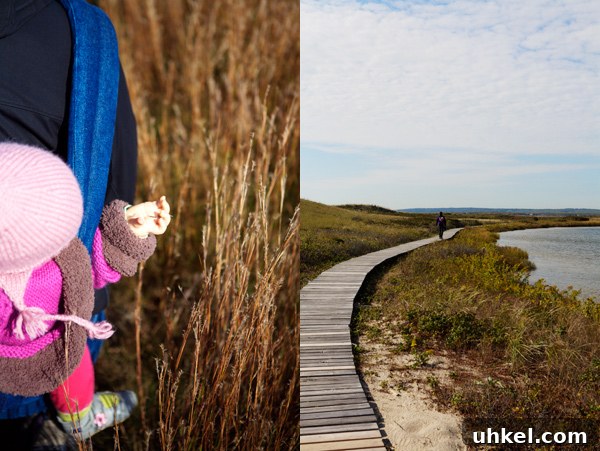
At first I tried to be reasonable—ce n’est pas raisonnable, Béa!—but the thought quickly faded. Soon a softer voice kept urging me: Just do it, you’ll love it.
And that’s how the story began.
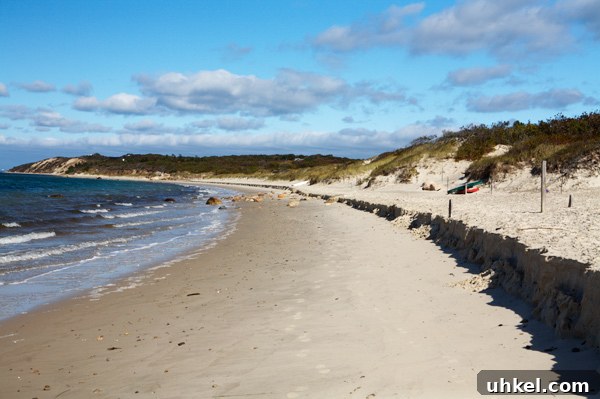
One September morning I told P. with determination, “We’re going to Martha’s Vineyard!” He looked at me, didn’t seem surprised, smiled and said, “Ooh, je sais! I know you well enough.”
So last Saturday, with the car packed—luggage, a chocolate cake, fresh produce and groceries—we boarded the ferry to the island. I’m so glad we went.

We stayed in a lovely house tucked near Long Pond Wildlife Refuge. It had charm and character, with a large open living area and a well-equipped kitchen that made us feel instantly at home.
“What a gem!” I exclaimed when I first walked in. My eyes were drawn to a long farm table and a tall silver milk jug at its center—I wanted both.
The house offered inviting patios with colorful long chairs where we enjoyed early morning tea in the shade of tall oaks. The decor showed careful attention to detail, and naturally Lulu made herself at home, exploring every corner.
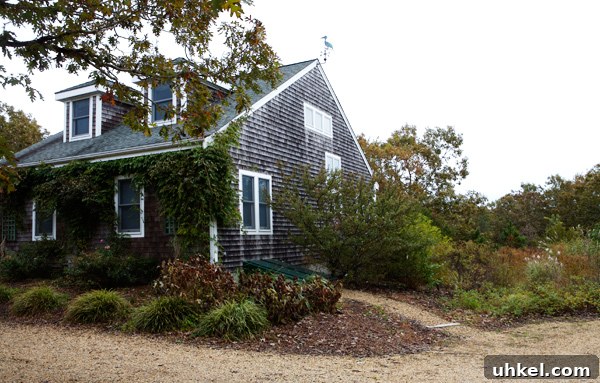

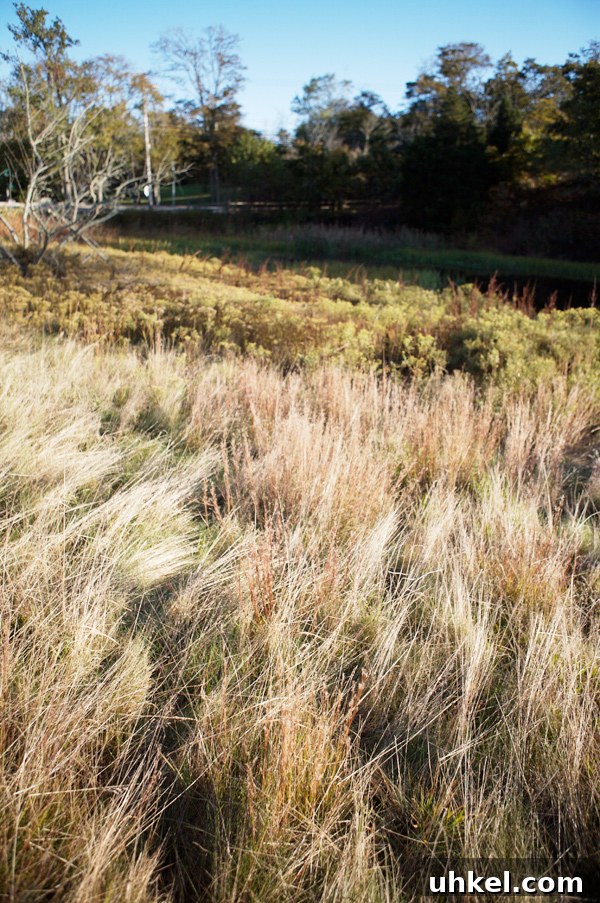
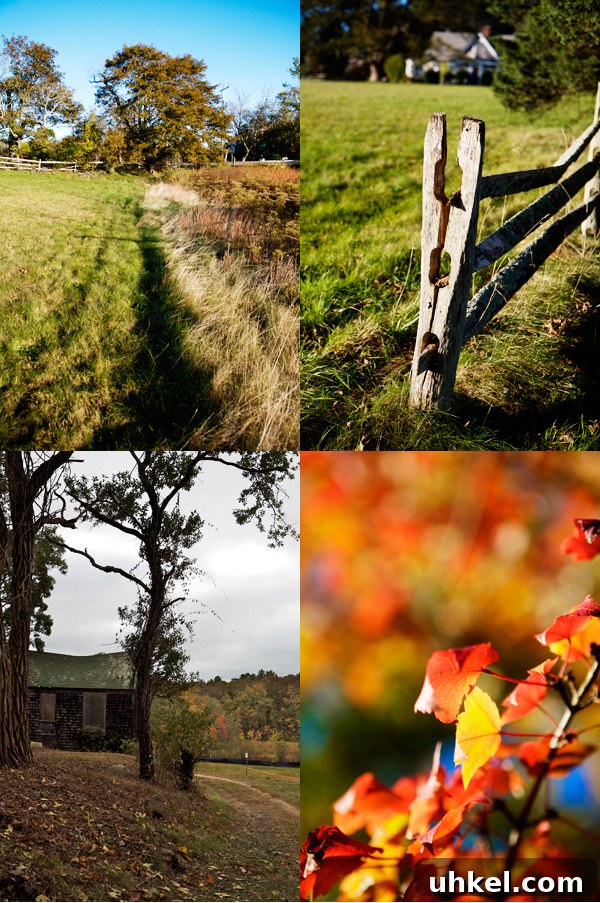
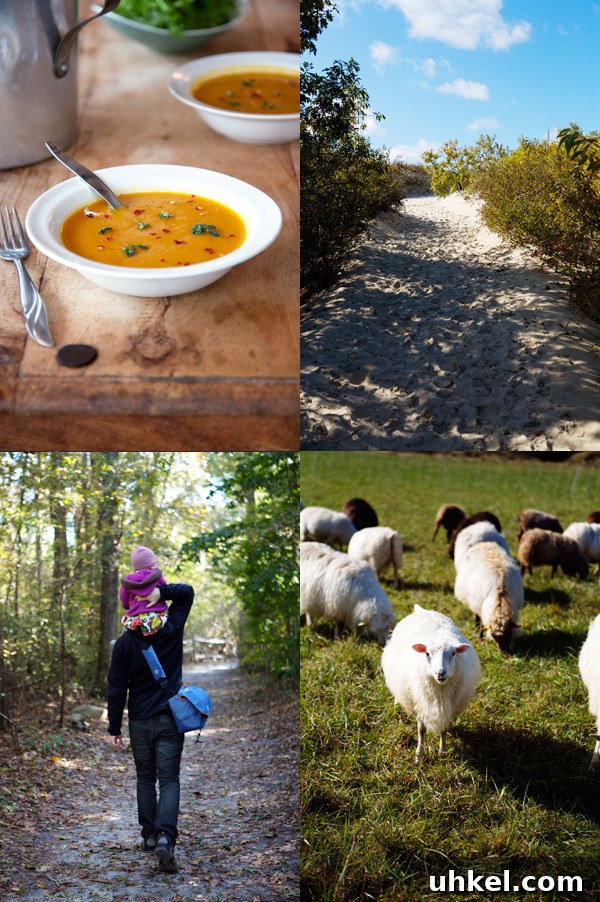
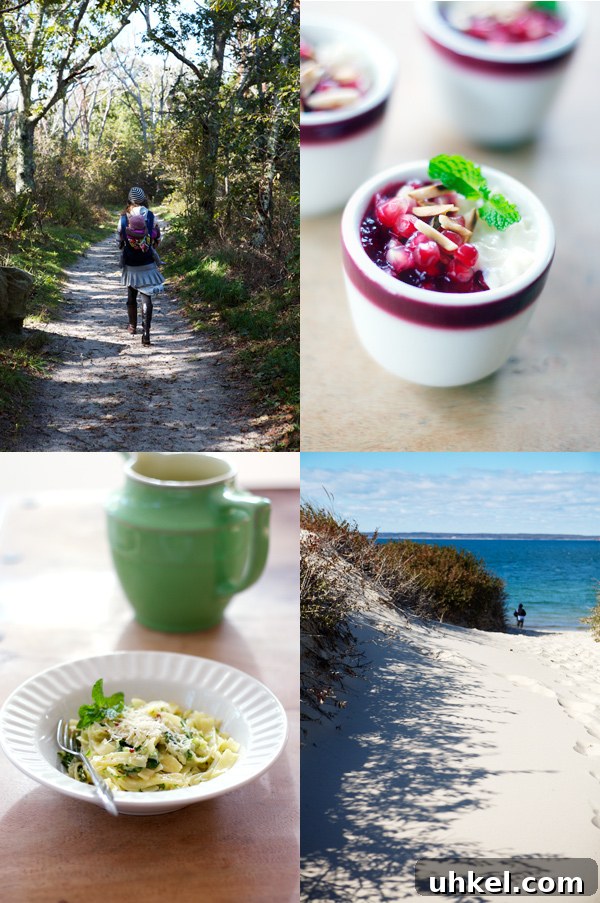
We had visited the island once before, but never in the fall. The timing was perfect: trees were shifting to red, orange and yellow, beaches were empty, and the island felt softer and more reflective.

We kept our plans simple, aiming to reconnect and savor time together—just the three of us as a family.
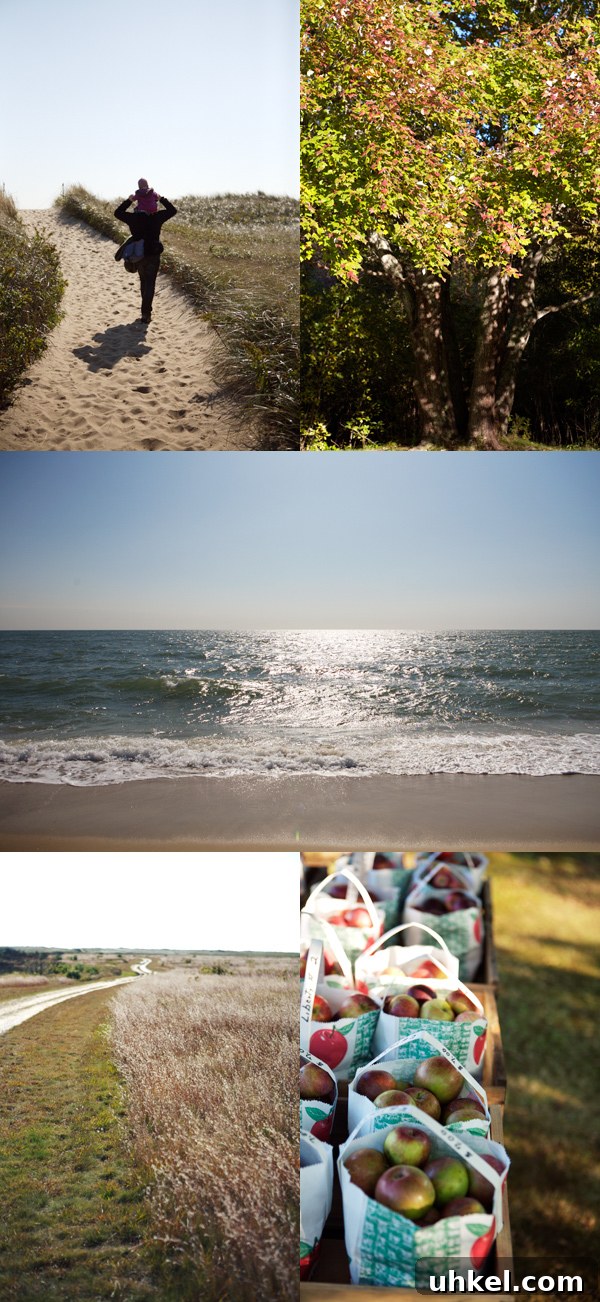
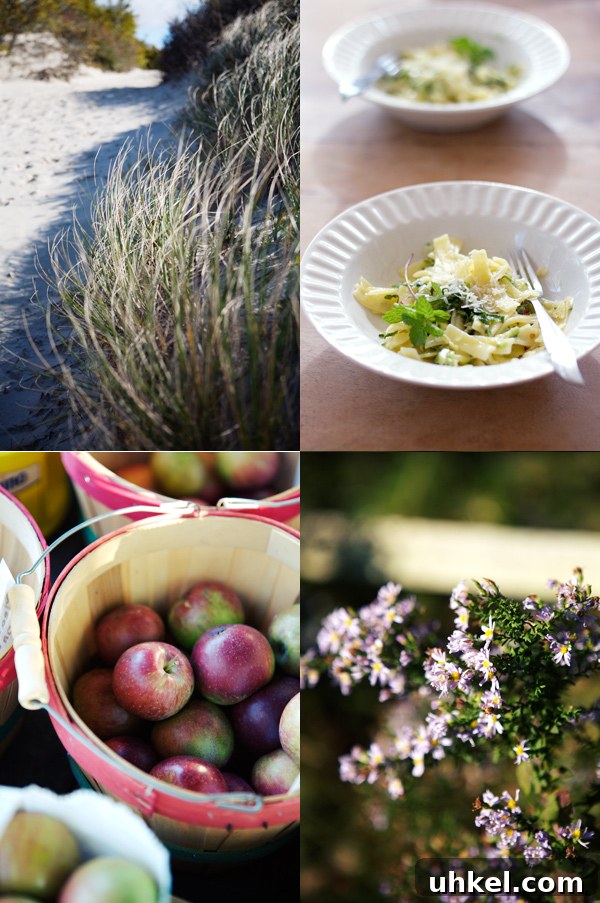
We lingered over breakfasts, napped, played and read with Lulu. We took beach walks and visited local farms to pick up apples. Mornings often included a few hours when I worked on my book, and the rest of the day I cooked comforting meals for us to share.
One night I made a pot of winter squash soup served with cheese, crusty bread, salad and fried eggs. Another morning we had lemon poppyseed pancakes; the next day we began with warm porridge topped with brown sugar, roasted nuts and blueberries.
On another evening I stuffed eggplants and paired them with sautéed quinoa and a tossed salad. Lunches were simple but nourishing: mixed rice salads with cheese and dinner leftovers, or spicy tagliatelle with lime and zucchini, finished with generous shavings of Parmesan.
We always finished meals with a small dessert.
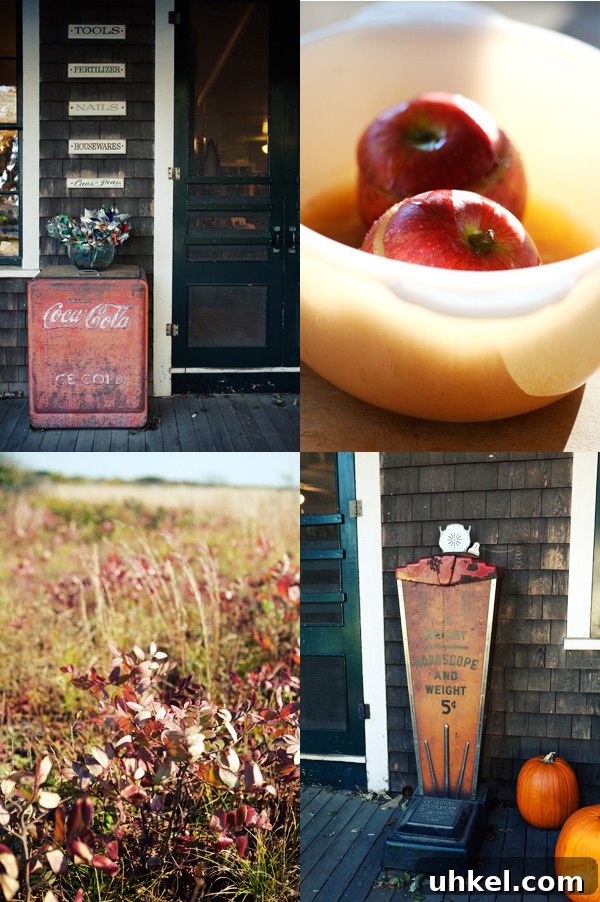

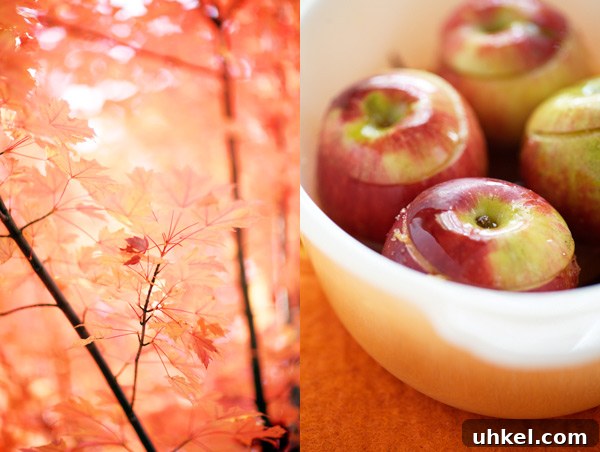
One evening I baked apples in a light sauce scented with vanilla, cinnamon and lemon, served with yogurt. The fruit’s juices were so flavorful that P. and I kept adding yogurt to savor every bite. We enjoyed the dish so much I baked a second batch the next day.

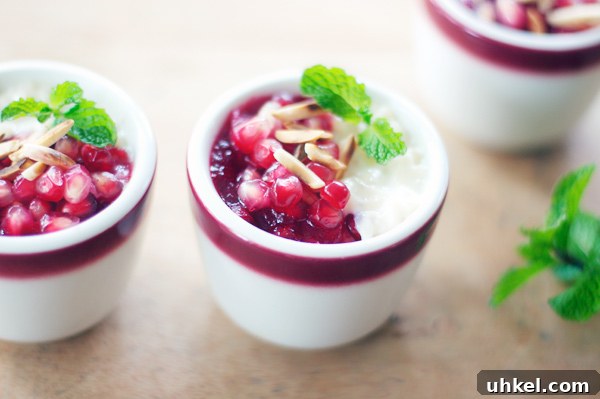
Another night we finished with coconut rice pudding topped with pomegranate seeds and a spoonful of cranberry sauce, scraping the pot clean.

These humble, rustic meals matched the slow, peaceful tempo of our weekend and made the experience feel even more connected to family and nature.
“It was too nice to be real,” I told P. on our last morning as we packed the car. “I just don’t feel like going home.”
“Me neither,” he replied. “Easy! We’ll just have to come back.”
That was all I needed to hear.

You need:
- 2 tablespoons olive oil
- 1 red onion, peeled and diced
- 1 tablespoon ground coriander
- Pinch of red chili flakes
- 3 garlic cloves, finely minced
- 1 tomato, blanched, peeled, seeded and diced
- 10 oz diced and peeled butternut squash
- 7 oz diced and peeled sweet potato
- 6 oz diced and peeled carrot
- 1 bay leaf
- 4 cups water (or 2 cups water and 2 cups chicken stock)
- Salt and pepper
- Crème fraîche, to serve
- Grated Parmesan, to serve
- Fresh parsley, chopped, to serve
Steps :
- In a large heavy-bottomed pot, heat the olive oil. Add the onion, ground coriander and red chili flakes and cook over medium heat for 3–4 minutes, without browning, until softened.
- Add the garlic and cook 1 minute, then add the tomato and cook 2 more minutes.
- Add the remaining vegetables and cook for about 4 minutes, stirring.
- Pour in the water or stock, add the bay leaf, season with salt and pepper, cover and simmer for 20–25 minutes or until the vegetables are tender.
- Remove the bay leaf and purée the soup, adding more liquid if needed to reach the desired consistency.
- Serve with a dollop of crème fraîche, grated Parmesan and chopped parsley. Accompany with crusty bread.
Ingrédients :
- 2 c. à s. d’huile d’olive
- 1 oignon rouge, pelé et émincé
- 1 c. à s. de coriandre en poudre
- Une pincée de piment en poudre
- 3 gousses d’ail hachées finement
- 1 tomate, pelée, évidée et coupée en dés
- 280 g de courge musquée, pelée et coupée en dés
- 200 g de patates douces, pelées et coupées en dés
- 170 g de carottes, pelées et coupées en dés
- 1 feuille de laurier
- 1 litre d’eau (ou 500 ml d’eau et 500 ml de bouillon de volaille)
- Sel et poivre
- Crème fraîche, pour servir
- Parmesan râpé, pour servir
- Persil haché, pour servir
Étapes :
- Dans une cocotte, faites chauffer l’huile d’olive à feu moyen. Ajoutez l’oignon, la coriandre et le piment et faites suer 3–4 minutes sans laisser brunir.
- Ajoutez l’ail et poursuivez 1 minute, puis incorporez la tomate et cuisez encore 2 minutes.
- Ajoutez les autres légumes et faites cuire environ 4 minutes en remuant.
- Couvrez avec l’eau ou le bouillon, ajoutez la feuille de laurier, salez et poivrez, couvrez et laissez mijoter 20–35 minutes jusqu’à ce que les légumes soient tendres.
- Retirez la feuille de laurier et mixez la soupe. Ajustez la consistance avec un peu d’eau ou de bouillon si nécessaire.
- Au moment de servir, ajoutez un filet de crème fraîche, du parmesan et du persil. Servez avec un bon pain de campagne.