
School nutrition professionals juggle many responsibilities with limited time. Between procurement, meal service and administrative duties, social media often falls low on the priority list. Yet consistently postponing social media is risky: if you don’t share your program’s story, someone else will — and that portrayal may be inaccurate or negative. Beyond protecting your reputation, an active social presence demonstrates your commitment to feeding students, increases program transparency, and is often the first place parents and students look for information. A strong social profile also increases the chances of positive attention from local media.
So where do you start?
Focusing Your Efforts
If social media management isn’t your full-time role, it’s easy to feel overwhelmed by the number of platforms and the speed of change. The key is to do something consistent rather than trying to do everything. Begin by identifying your target audience and directing your efforts to the platforms where they actually spend time.
Different platforms tend to reach different demographics. For communicating with parents and sharing attractive photos of school meals and program updates, Facebook is usually the most effective choice. Many parents fall into the 30–49 age range, and a large portion of that group uses Facebook. Instagram is also useful for sharing visual content since a significant number of adults use that platform as well.
If your aim is to reach students who are old enough to have social accounts, Facebook is typically less effective. Teens often prefer apps like Snapchat, TikTok and Instagram. For sharing news with media representatives or community leaders, consider platforms such as Twitter and LinkedIn.
Sharing the Right Content
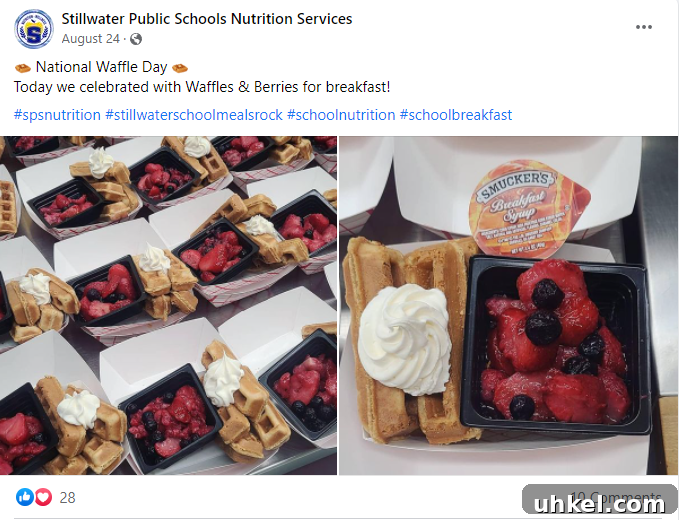
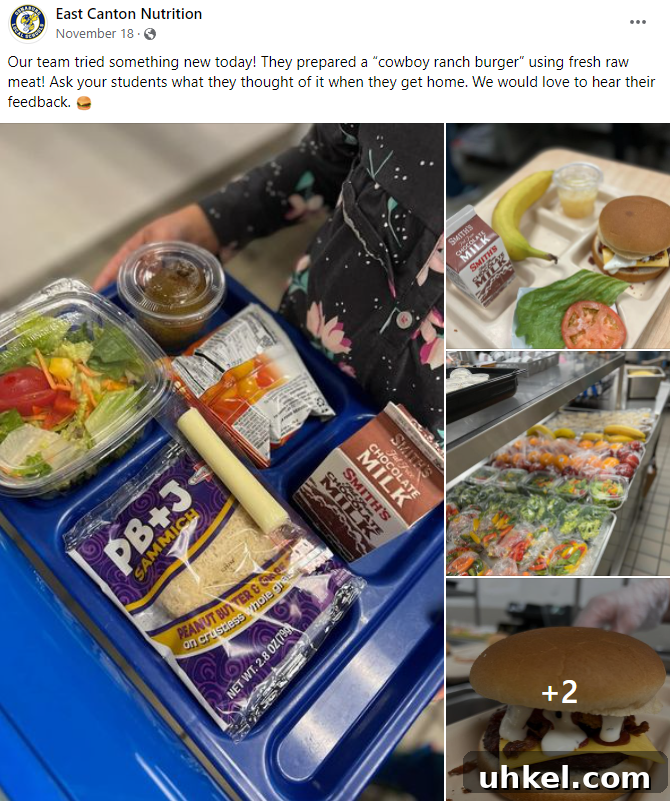
The most compelling content for school nutrition accounts is visual: clear, appetizing photos of the meal trays. If tray photos are the only posts you can manage, that’s still valuable. But broaden your content mix when possible to highlight other aspects of the program, such as:
- Nutrition education and classroom activities
- School gardens and gardening projects
- Farm-to-school initiatives and community partnerships
- New menu items, taste tests and student reactions
- Staff profiles that spotlight the team behind the service line
- Fun food and nutrition facts
- Important administrative updates such as USDA guidance and program requirements
- Celebrations, menu spotlights and giveaways
Parents also appreciate seeing their children enjoying meals — just be sure you have appropriate permission from caregivers or the district before posting student photos.
You don’t need to create every asset from scratch. While original tray photos should come from your program, many organizations provide free graphics, sample captions and templates. Look for materials from professional associations and government programs that offer ready-made resources to repurpose and adapt for your audience.
Making Food Photos Look Good
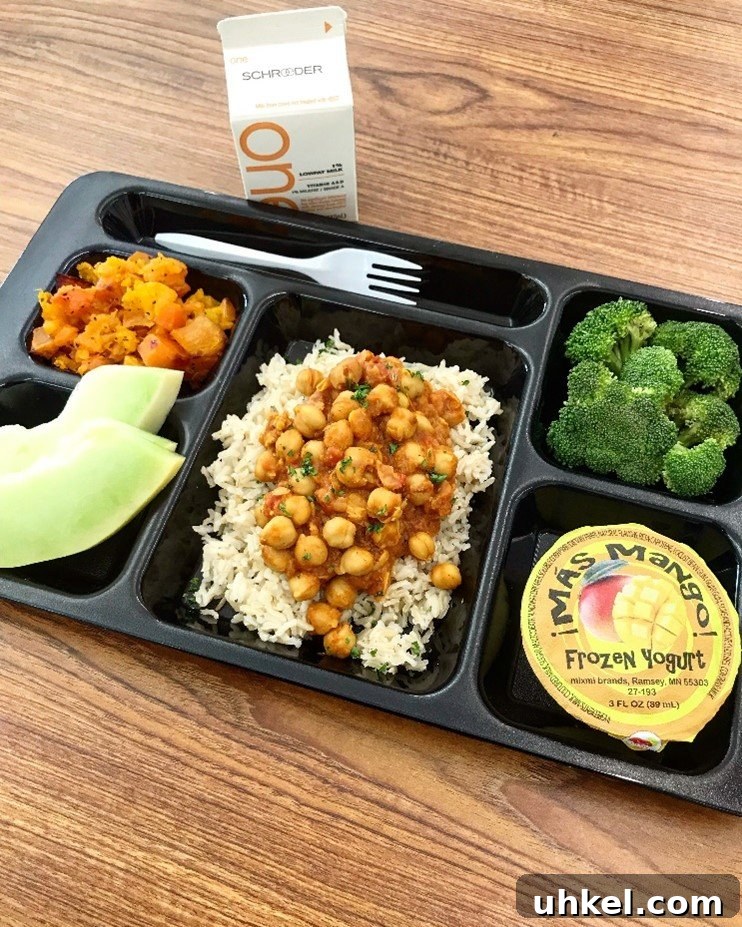
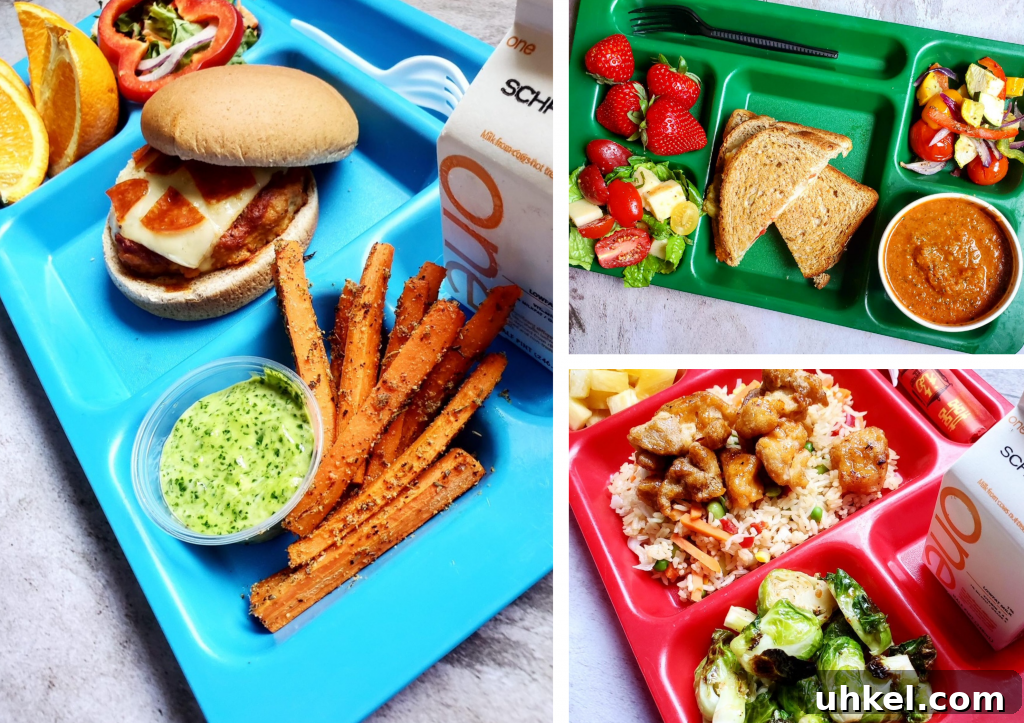
High-quality tray photos are central to effective school nutrition social media. Poor lighting, unappealing color casts and cluttered backgrounds will undermine even the best meals. You don’t need a professional photographer — a smartphone and a few basic techniques are sufficient:
- Use natural light. Cafeterias often lack flattering light, so bring the tray to a spot near a window or outdoors when possible. Artificial lighting, especially fluorescent overheads, can produce harsh yellow or orange tones. If natural light isn’t available, a simple reflector can help balance artificial light. Avoid bright midday sun; overcast conditions or late afternoon light produce softer, more flattering results.
- Choose a neutral background. Busy cafeteria scenes distract from the food. Place trays against solid, unobtrusive surfaces — light backgrounds for dark trays and darker backgrounds for light trays. Wooden tables, plain walls, tablecloths or poster boards work well to keep the focus on the meal.
- Shoot at 45° or 90° angles. These angles generally show food texture and composition clearly. Overusing unusual angles can make images harder to interpret and may appear as if you’re hiding something unappealing.
-

Photo credits: Rebecca Polson, Minneapolis Public Schools
Don’t Forget to Engage
Posting content is only part of the work — engagement matters. Respond to comments and questions, including criticism. Ignoring negative feedback can damage trust, while thoughtful, timely responses can build relationships, correct misinformation and surface useful insights. Aim to reply within a few hours when possible, and offer private communication via email for issues that require more detailed discussion. You won’t please everyone, but active engagement strengthens trust and helps the community see the nutritious, appealing meals you provide.
School Nutrition Social Media Resources
If you want more guidance, many organizations offer free toolkits and templates specifically for school nutrition marketing and communications. These resources can help with content ideas, sample posts, graphics and best practices to support your program’s outreach efforts.